

Metal manufacturing requires specialized equipment capable of processing thick materials with accuracy, consistency, and reliability. Heavy gauge metal coils are commonly used in construction, industrial machinery, transportation, and infrastructure applications where strength and durability are essential. Processing these materials requires machinery designed to handle substantial weight, cutting forces, and demanding production conditions. A heavy gauge coil slitting machine helps manufacturers divide wide metal coils into narrower strips according to specific production requirements. Advanced equipment solutions can improve cutting accuracy, material handling, operational efficiency, and finished product quality.
Understanding Heavy Gauge Coil Slitting Operations
Coil slitting is a metal processing operation that converts wide coils into narrower strips through a series of rotating circular knives. The process generally involves coil loading, uncoiling, material alignment, slitting, and recoiling. Heavy gauge applications require specialized machinery capable of maintaining stability while processing thicker and stronger materials. Equipment configuration, knife positioning, and operating conditions directly influence the quality of finished strips. Manufacturers must consider material specifications and production objectives when selecting suitable machinery for consistent slitting performance.
Importance of Equipment Strength and Stability
Heavy gauge materials create significant mechanical demands during slitting operations. Machinery must support substantial coil weights and withstand the forces generated during material processing. Strong structural components, properly designed shafts, and reliable drive systems contribute to stable equipment performance. Machine stability also helps maintain accurate knife positioning and consistent strip dimensions throughout production. Manufacturers should evaluate equipment capacity according to material thickness, width, strength, and maximum coil weight. Selecting machinery with suitable structural capabilities supports dependable operation and reduces unnecessary mechanical stress.
Improving Cutting Accuracy and Strip Quality
Cutting accuracy is essential for producing metal strips that meet specific manufacturing requirements. Incorrect knife positioning, improper clearances, and inconsistent material tension can contribute to uneven edges, dimensional variations, and processing difficulties. Modern slitting equipment provides adjustable cutting arrangements that help accommodate different material specifications. Proper setup and regular inspection of cutting components also support consistent results. Manufacturers should monitor strip width, edge condition, and material behavior throughout production. Maintaining appropriate operating conditions helps improve finished product quality and reduces avoidable material waste.
Advanced Material Handling for Heavy Coils
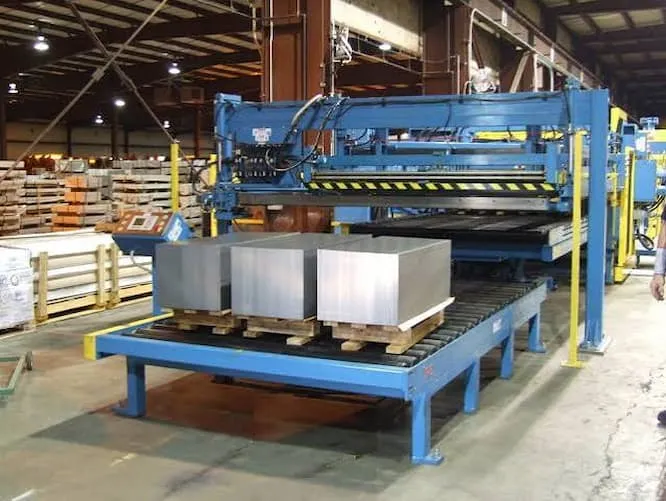
Handling heavy metal coils requires suitable equipment and carefully coordinated operating procedures. Coil cars, uncoilers, transfer systems, and recoilers help move materials through different stages of the slitting process. These components must accommodate the dimensions and weight of incoming coils while maintaining controlled material movement. Effective handling arrangements reduce unnecessary manual intervention and support smoother production sequences. Manufacturers should also consider equipment capacity, operator access, and workplace safety when planning material handling operations. Proper coordination contributes to reliable production and reduced operational interruptions.
Improving Production Through High Speed Slitting Technology
Production speed is an important consideration for manufacturers managing demanding processing schedules. However, higher operating speeds must be supported by reliable material control, accurate cutting arrangements, and consistent machine performance. Advanced systems can improve production flow by coordinating different processing stages and reducing unnecessary adjustments. Suitable equipment configurations also help maintain strip quality while managing increased production requirements. Exploring high speed precision slitting line technology can help manufacturers understand how modern slitting systems support accurate processing and efficient metal production.
The Role of Automation in Slitting Operations
Automation helps improve coordination between different machine components and reduces repetitive manual activities. Automated controls can manage important operating functions, monitor production conditions, and support consistent material movement. These features can improve operational efficiency while helping operators identify irregularities during processing. Automation also supports better integration between slitting machinery and other manufacturing equipment. Manufacturers evaluating automated metal processing solutions can understand how modern technologies contribute to organized production workflows and improved equipment utilization.
Selecting Suitable Slitting Equipment for Different Materials
Different metal grades and thicknesses require appropriate equipment configurations to achieve consistent processing results. Carbon steel, stainless steel, and other materials have varying mechanical properties that influence cutting forces, tension requirements, and handling conditions. Heavy gauge materials may require stronger mechanical components and specialized knife arrangements to maintain accuracy. Manufacturers should evaluate incoming material specifications before selecting equipment. Reviewing sheet metal and coil processing material types can help production teams understand how material characteristics influence equipment selection and processing requirements.
Maintaining Consistent Coil Tension and Recoiling Quality
Material tension plays an important role in maintaining strip quality throughout slitting operations. Inconsistent tension can cause strip deformation, uneven recoiling, and difficulties during subsequent manufacturing processes. Properly configured tension control systems help maintain stable material movement between the slitting and recoiling stages. Recoiling equipment must also accommodate different strip widths and material thicknesses without compromising coil stability. Regular monitoring of tension settings and equipment conditions helps manufacturers maintain consistent results and reduce processing irregularities during demanding production operations.
Preventive Maintenance for Reliable Machine Performance
Preventive maintenance helps protect heavy gauge slitting equipment from excessive wear and unexpected breakdowns. Mechanical components such as shafts, bearings, rollers, knives, drive systems, and hydraulic assemblies require regular inspection. Damaged or worn components can affect cutting accuracy, material alignment, and overall production performance. Maintenance teams should follow appropriate service schedules and address unusual equipment behavior promptly. Keeping accurate maintenance records also helps identify recurring problems and plan necessary repairs. Consistent maintenance practices support equipment reliability, improve operating stability, and extend machinery service life.
Improving Safety During Heavy Gauge Slitting
Heavy gauge slitting operations involve substantial material weight, rotating components, and powerful mechanical systems. Appropriate guarding, emergency stopping devices, operator training, and safe material handling procedures are essential for reducing workplace risks. Manufacturers should regularly inspect protective equipment and ensure that operators understand established safety requirements. Maintenance activities should also follow appropriate procedures for isolating machinery before repairs or adjustments. Reviewing metal processing equipment safety improvements can help facilities understand important considerations for maintaining safer production environments.
Conclusion
Heavy gauge coil slitting technology plays an important role in manufacturing operations that require accurate strip dimensions, consistent material quality, and dependable production performance. Strong machine construction, advanced cutting arrangements, automated controls, effective tension management, and preventive maintenance contribute to reliable results. Selecting equipment according to material specifications and production objectives helps manufacturers manage demanding processing requirements. By combining suitable machinery with organized operating practices, facilities can improve productivity and maintain consistent output. Red Bud Industries provides metal processing equipment solutions designed to support manufacturers seeking reliable performance in heavy gauge coil slitting applications.





















Sign in to leave a comment.