Advancing Skills Through Online Medical Education New York Programs

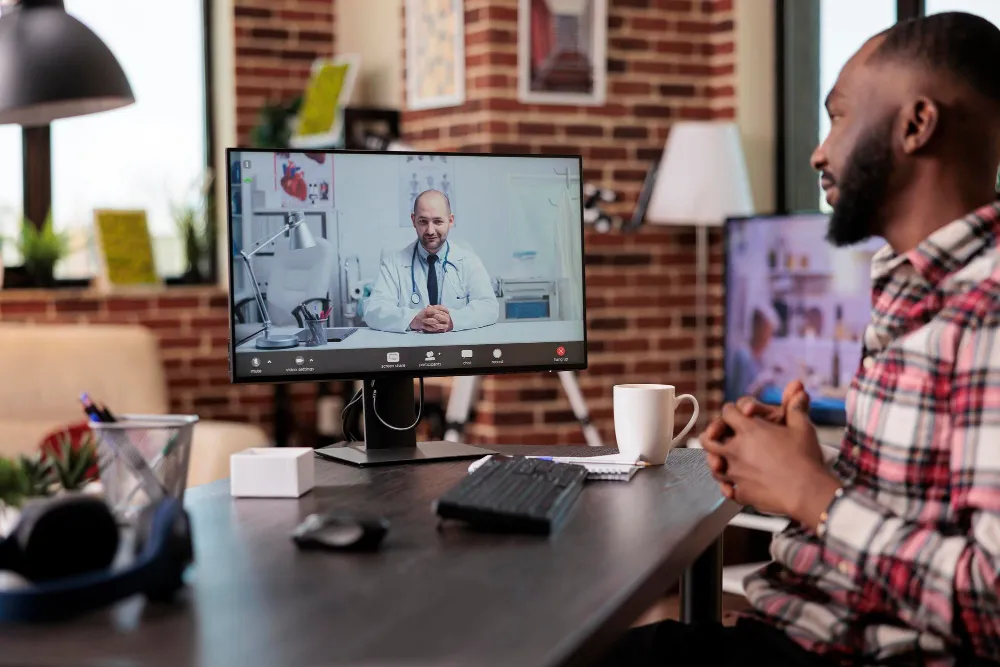
Healthcare professionals must continually update their knowledge to provide effective care, understand emerging technologies, and respond to changing patient needs. Medical education helps practitioners strengthen clinical judgment, improve communication, and explore modern treatment approaches. Flexible learning opportunities have made professional development more accessible for individuals with demanding schedules. Through Online Medical Education New York programs, healthcare professionals can explore relevant medical topics, learn from experienced educators, and develop practical skills without always traveling to physical classrooms. These programs support continuous learning while helping participants balance education with professional responsibilities.
Understanding the Importance of Online Medical Education
Supporting Continuous Professional Development
Continuous professional development plays an essential role in maintaining competence across healthcare disciplines. Medical knowledge evolves as research introduces new findings, clinical guidelines change, and innovative technologies become available. Online educational programs allow healthcare professionals to explore these developments through structured presentations, interactive sessions, and specialized learning materials. This approach helps practitioners identify areas for improvement and strengthen their understanding of current practices. Regular participation in educational activities can also encourage critical thinking, support informed decision making, and promote a commitment to lifelong learning throughout a healthcare career.
Making Education More Accessible
Accessibility is one of the major advantages of digital medical learning. Healthcare professionals often manage patient appointments, administrative duties, personal responsibilities, and demanding work schedules. Attending traditional educational events may require travel, accommodation, and time away from clinical responsibilities. Online programs reduce many of these barriers by allowing participants to join sessions from convenient locations. This flexibility can help practitioners from different regions access valuable educational resources. When programs offer suitable schedules and organized learning materials, participants can pursue professional development while maintaining greater consistency in their daily responsibilities.
Key Benefits of Online Medical Education New York Programs
Flexible Learning Opportunities
Flexible learning arrangements help healthcare professionals select educational activities that fit their individual needs. Online sessions may include scheduled lectures, recorded presentations, live discussions, and downloadable resources, depending on the program. These options allow participants to review complex subjects at an appropriate pace and revisit important information when necessary. Practitioners can also choose topics related to their specialties, professional goals, or current clinical challenges. This flexibility makes education more manageable for busy individuals and encourages regular participation in learning activities that contribute to professional growth and improved understanding.
Access to Specialized Medical Knowledge
Specialized education enables healthcare professionals to develop a deeper understanding of particular conditions, procedures, and treatment strategies. Online programs can cover subjects ranging from rehabilitation techniques and orthopedic care to diagnostic developments and patient management. Such focused learning helps participants explore topics relevant to their daily practice without attending unrelated sessions. Educators may use case discussions, research summaries, and clinical examples to explain complicated concepts. By examining these materials, practitioners can strengthen their knowledge, recognize areas requiring further study, and make more informed decisions when evaluating appropriate approaches to patient care.
Opportunities for Professional Networking
Professional networking remains valuable even when education takes place online. Virtual learning environments can connect physicians, physical therapists, nurses, researchers, educators, and other healthcare specialists who share professional interests. Discussion forums, question and answer sessions, and small group activities may encourage participants to exchange perspectives and discuss common challenges. These conversations can introduce practitioners to different approaches and help them understand how healthcare practices vary across settings. Meaningful professional connections may also encourage future collaboration, shared learning, and continued engagement with developments affecting healthcare delivery and clinical education.
Important Topics Covered in Online Medical Programs
Clinical Knowledge and Patient Care
Clinical knowledge is a central component of effective healthcare education. Online programs may examine patient assessment, treatment planning, diagnostic reasoning, rehabilitation strategies, and approaches to managing complex conditions. Participants can review clinical scenarios to understand how different factors influence professional decisions. Educational discussions may also address patient safety, communication, and the importance of evidence based practice. By exploring these subjects, healthcare professionals can strengthen their understanding of established principles while considering how new research may influence clinical approaches. The ultimate objective is to support thoughtful, informed, and patient centered care.
Emerging Medical Technologies
Medical technology continues to influence how healthcare professionals assess conditions, communicate with patients, and deliver treatments. Digital education can introduce participants to developments in diagnostic equipment, rehabilitation devices, clinical software, and other technologies relevant to their specialties. Presentations may explain the purpose, potential benefits, limitations, and appropriate applications of different tools. Understanding these factors helps practitioners evaluate whether a particular innovation is suitable for their professional environment. Technology focused education can also encourage responsible adoption by highlighting the importance of training, patient privacy, safety procedures, and careful evaluation of clinical evidence.
Rehabilitation and Orthopedic Education
Rehabilitation and orthopedic subjects are important for professionals who support mobility, physical function, and recovery after injury or illness. Educational programs may explore musculoskeletal conditions, therapeutic exercise, orthotic devices, mobility assessment, and individualized rehabilitation planning. Participants can learn about patient evaluation techniques and discuss considerations involved in selecting suitable interventions. Case based learning may help demonstrate how age, activity levels, medical history, and functional limitations influence treatment decisions. These educational opportunities can strengthen interdisciplinary understanding and encourage healthcare professionals to consider comprehensive approaches that address patient needs and functional goals.
How Digital Learning Improves Educational Engagement
Interactive Presentations and Discussions
Interactive presentations can make medical education more engaging than passive viewing alone. Live polls, moderated discussions, case studies, and question and answer sessions encourage participants to examine information actively. These activities give learners opportunities to clarify complicated concepts and compare their understanding with the perspectives of educators and colleagues. When instructors invite questions and provide relevant examples, participants may find it easier to connect theoretical knowledge with practical situations. Well planned interaction also helps educators identify topics that require additional explanation, creating a more responsive and useful learning experience for healthcare professionals.
Recorded Sessions and Learning Materials
Recorded sessions can help participants review educational content after a live event has ended. Medical subjects often involve detailed terminology, clinical processes, and research findings that require careful attention. The ability to revisit a presentation may improve comprehension and help learners retain important information. Supporting materials, including presentation slides, reading lists, and reference documents, can provide additional context. However, the availability of recordings depends on the program, and participants should check access conditions before enrolling. Organized resources can make independent study more productive and support continued learning between formal educational sessions.
Case Based Learning Approaches
Case based learning connects medical concepts with realistic clinical situations. Educators may present a patient scenario and ask participants to consider possible assessments, relevant evidence, and appropriate management options. This process encourages analytical thinking rather than simple memorization. Participants can discuss the reasoning behind different decisions and recognize why individual circumstances matter when selecting care strategies. Such activities are particularly useful when cases are presented with appropriate clinical context and clear learning objectives. Although educational cases cannot replace supervised clinical experience, they can provide valuable opportunities to strengthen reasoning and prepare professionals for complex situations.
Choosing the Right Online Medical Education Program
Evaluating Educational Quality
Selecting an appropriate program requires careful attention to educational quality and relevance. Healthcare professionals should examine the learning objectives, instructor qualifications, subject coverage, and teaching methods before registering. Programs that provide clear descriptions of their content make it easier for participants to determine whether the material matches their professional needs. Reliable educational resources should distinguish established evidence from emerging findings and explain limitations where appropriate. Participants should also review whether the course includes opportunities for questions, discussion, and feedback. These considerations can help learners select programs that offer meaningful educational value rather than simply presenting large amounts of information.
Checking Accreditation and Continuing Education Credits
Some healthcare professionals need continuing education credits to satisfy licensing, certification, or professional development requirements. However, not every online medical program provides accredited learning or awards recognized credits. Participants should confirm the relevant requirements with their licensing authority or professional organization before enrolling. They should also review the provider's accreditation status, attendance requirements, assessment procedures, and documentation policies. Understanding these details in advance helps prevent confusion after a course has been completed. When formal credits are not required, learners can still evaluate the program according to its relevance, instructional quality, and contribution to their professional goals.
Considering Technology and Accessibility
A successful online learning experience depends partly on the reliability and accessibility of the educational platform. Participants should check device compatibility, internet requirements, audio and video quality, and available technical support. Clear navigation and accessible learning materials can make participation easier for individuals with different levels of technical experience. Programs that offer captions, readable presentations, and suitable support options may accommodate a broader range of learners. Healthcare professionals should also understand registration procedures, privacy policies, and session access arrangements. Reviewing these practical details beforehand can reduce interruptions and allow participants to concentrate more fully on learning.
Applying New Knowledge to Professional Practice
Translating Education Into Clinical Improvement
The value of medical education increases when participants carefully evaluate how new knowledge relates to their work. After completing a program, healthcare professionals can review their notes, identify useful insights, and compare new information with current clinical guidelines. They may discuss relevant findings with colleagues or seek additional training before changing established procedures. Any clinical adjustments should reflect reliable evidence, professional responsibilities, and the individual needs of patients. This thoughtful process helps learners distinguish between information that can be applied immediately and concepts that require further investigation, practical supervision, or consultation with appropriate specialists.
Building a Long Term Learning Plan
A structured learning plan can help healthcare professionals maintain consistent progress over time. Practitioners may identify knowledge gaps, establish realistic learning goals, and schedule educational activities throughout the year. Choosing a mixture of introductory courses, advanced presentations, and specialty focused sessions can support gradual skill development. Keeping records of completed education and reflecting on its practical value can also reveal areas that deserve further attention. Rather than relying on occasional training alone, professionals can use regular learning opportunities to maintain relevant knowledge, adapt to changing expectations, and strengthen their confidence in professional decision making.
Encouraging Collaboration Across Healthcare Disciplines
Healthcare outcomes often depend on effective cooperation among professionals with different areas of expertise. Online educational programs can help participants understand how their responsibilities connect with those of other practitioners. For example, discussions involving physicians, rehabilitation specialists, nurses, and other healthcare workers may highlight the importance of coordinated assessment, consistent communication, and shared care goals. Learning about different professional perspectives can reduce misunderstandings and encourage more comprehensive planning. When participants carry these insights into their workplaces, educational experiences may support stronger teamwork and a more coordinated approach to addressing patient needs.
The Future of Online Medical Education in New York
Expanding Digital Learning Opportunities
Digital education is likely to remain an important part of professional learning as healthcare organizations and educators explore more accessible teaching methods. Advances in interactive technology, virtual demonstrations, and personalized learning resources may create additional opportunities for participants to engage with complex subjects. Educational providers can also use feedback to improve course structure and address the needs of different professional groups. However, effective programs must prioritize accuracy, accessibility, privacy, and meaningful learning outcomes. Technology is most valuable when it supports strong educational design and helps healthcare professionals develop knowledge they can use responsibly.
Maintaining Standards and Professional Responsibility
As online medical education continues to develop, maintaining educational standards will remain essential. Participants need reliable information, transparent course descriptions, and appropriate guidance from qualified instructors. Educational providers should present scientific findings carefully, explain uncertainty, and update materials when relevant evidence changes. Learners also have a responsibility to assess the credibility of information and recognize the limits of online instruction. Practical skills may require supervised demonstrations, hands on training, or formal competency assessments that virtual sessions cannot fully replace. Combining digital learning with appropriate practical experience can create a more balanced approach to professional development.
Conclusion
Online medical education offers healthcare professionals an accessible way to strengthen knowledge, explore specialized subjects, and remain informed about developments affecting their fields. Flexible schedules, interactive discussions, recorded presentations, and focused learning materials can make professional development more manageable. Careful program selection and thoughtful application of new information are equally important for achieving meaningful results. By choosing relevant educational opportunities and maintaining a commitment to lifelong learning, practitioners can support their professional growth and contribute to informed, responsible patient care. lerEXPO supports the broader goal of making medical education and professional knowledge sharing more accessible to healthcare communities.








Sign in to leave a comment.