

A major storm passes through Cypress, and suddenly roofing companies seem to be everywhere.
Some homeowners have obvious damage. Others notice a few shingles in the yard or a suspicious ceiling stain. And many aren't sure whether their roof was affected at all.
That's exactly when choosing the right roofing contractor matters.
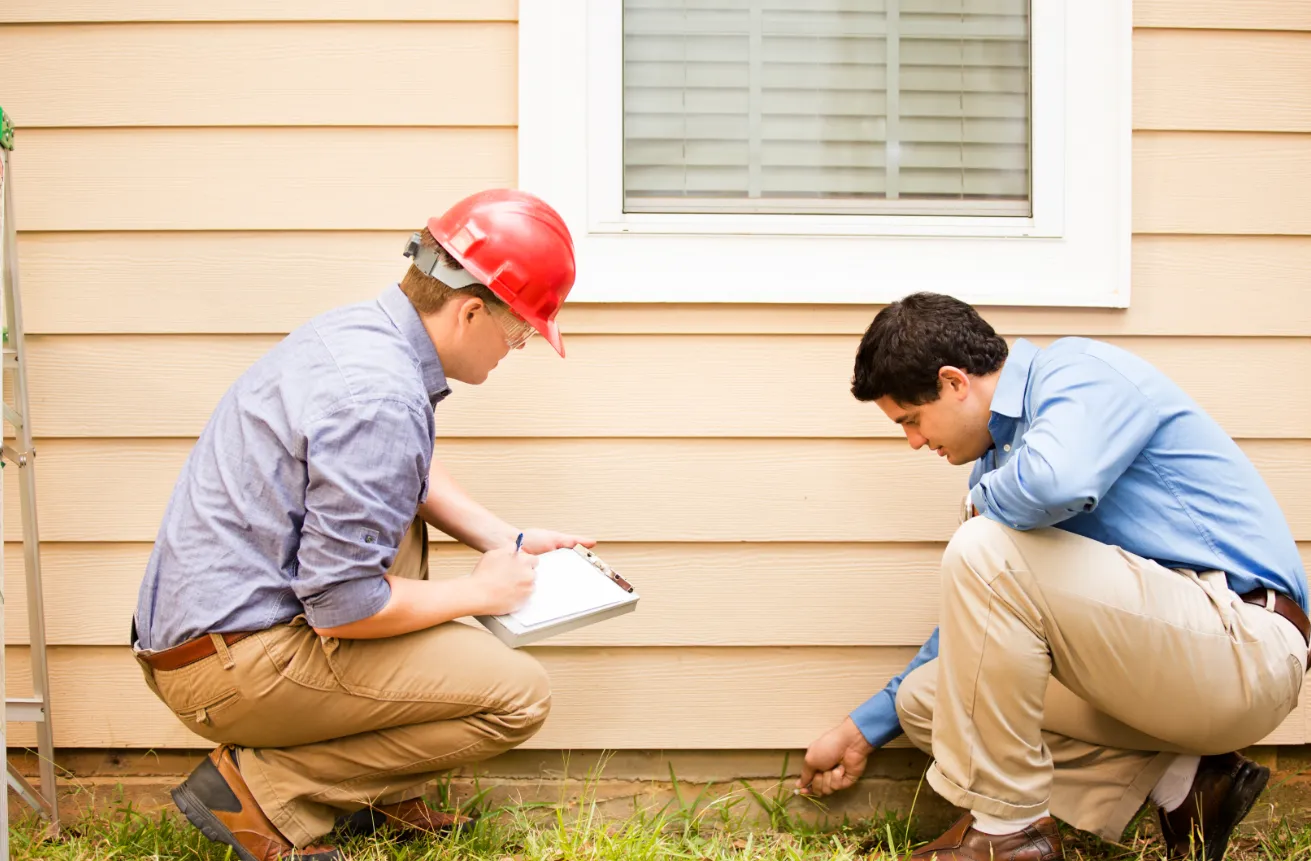
A good post-storm roofing experience shouldn't begin with pressure to replace your roof. It should begin with figuring out what actually happened.
Here's what Cypress homeowners should expect when calling a roofing contractor after severe weather.
1. An Inspection Before a Recommendation
The first question shouldn't be:
“When can we replace your roof?”
It should be:
“What condition is your roof in?”
Storm damage can take many forms. Wind may lift or remove shingles, hail can affect roofing materials, and debris can damage flashing, vents, gutters, or other components.
Some problems may be localized enough for repair.
Others may be more extensive.
A proper inspection helps establish that distinction before a homeowner makes a major decision.
2. More Than a Quick Look at the Shingles
Shingles are important, but they aren't the entire roofing system.
A post-storm evaluation may also involve checking areas such as:
- Flashing
- Valleys
- Roof penetrations
- Ridge areas
- Roof edges
- Gutters and drainage
- Previous repairs
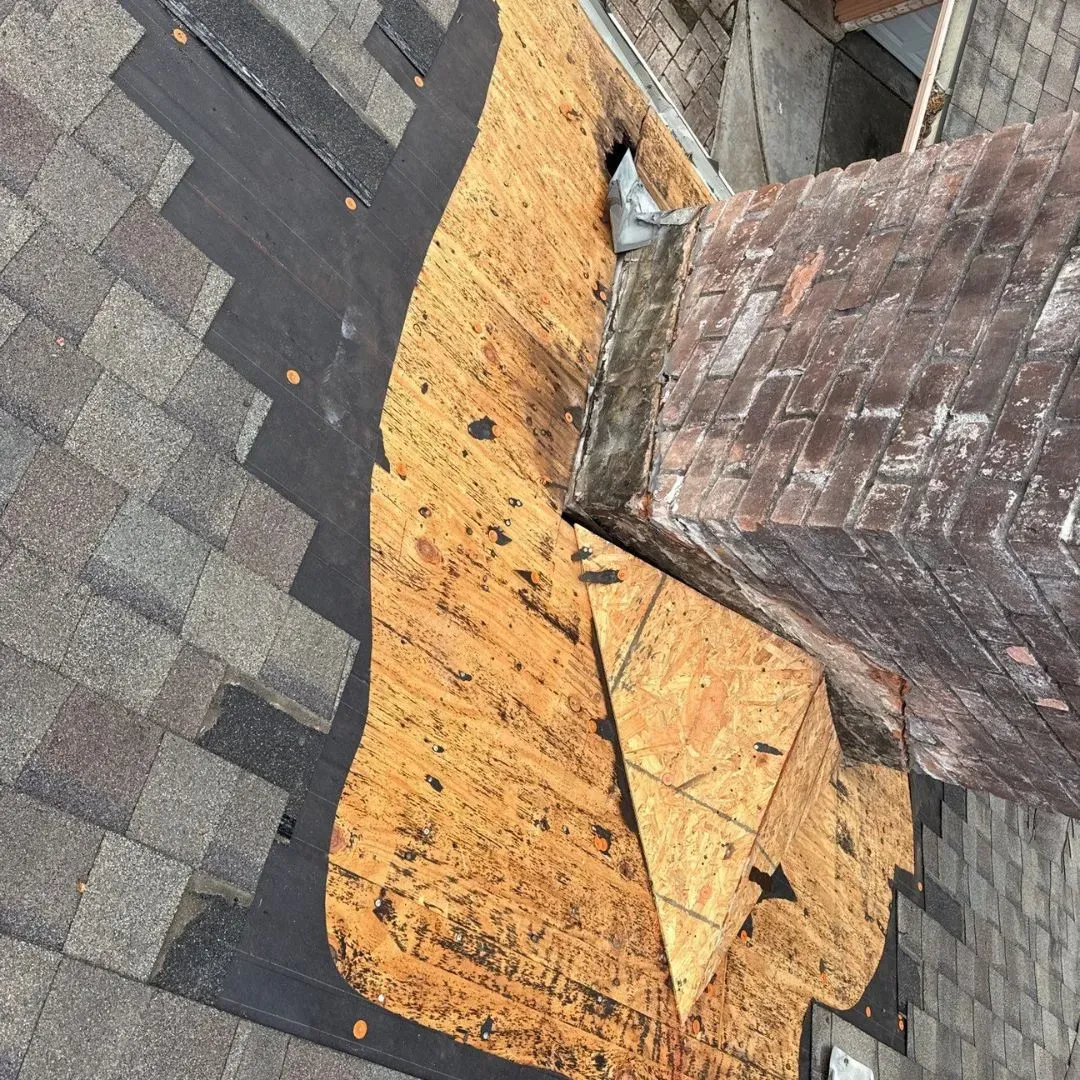
- Visible decking concerns
- Interior signs of moisture
This matters because a roof can develop a leak even when most of the shingles look perfectly normal from the driveway.
3. A Clear Explanation of What Was Found
Homeowners shouldn't need a roofing vocabulary to understand an inspection.
If damage is discovered, the contractor should be able to explain:
Where is it?
What likely caused it?
How extensive is it?
Does it need immediate attention?
Can it be repaired?
Photos can also be useful when damage is located in areas homeowners can't safely see themselves.
The goal is to give you enough information to understand the condition of the roof—not overwhelm you with technical terminology.
4. Repair and Replacement Should Both Be Considered
Storm damage doesn't automatically mean roof replacement.
If damage is limited to a small section and the surrounding roofing system remains in good condition, repair may be appropriate.
Replacement becomes more worth discussing when damage is widespread, the roofing system is already significantly deteriorated, or problems affect multiple areas.
Homeowners should be wary of anyone who seems to know the answer before thoroughly evaluating the roof.
5. A Written Scope of Work
If work is recommended, ask for it in writing.
A roofing proposal should make it clear what the contractor intends to do.
For a replacement project, that may include details involving:
- Roofing materials
- Tear-off
- Disposal
- Underlayment
- Flashing
- Ventilation
- Labor
- Decking procedures
- Property protection
- Cleanup
- Warranties
For a repair, the proposal should still clearly identify what is being addressed.
This makes it easier to compare contractors based on the actual work being proposed rather than price alone.
6. No Pressure to Make an Immediate Decision
Storm damage is stressful enough.
A contractor shouldn't make the situation more stressful by creating unnecessary urgency.
There are situations where temporary protection or emergency repairs genuinely need to happen quickly. Active water intrusion, for example, may require prompt attention.
That's different from pressuring a homeowner into signing a major replacement contract before they've had time to understand the scope of work.
Ask questions.
Read the proposal.
Understand what you're agreeing to.
7. A Plan for Protecting the Property
If replacement is necessary, thousands of pounds of roofing material may be removed and installed around your home.
Ask how the contractor plans to protect landscaping, windows, driveways, air-conditioning equipment, and other areas around the property.
Cleanup matters too.
Find out how debris and loose fasteners will be handled during and after installation.
The condition of the yard shouldn't be an afterthought simply because everyone is focused on the roof.
8. Clear Warranty Information
Ask what warranties apply before work begins.
Roofing projects can involve separate coverage for materials and workmanship.
Make sure you understand:
- Who provides each warranty
- What it covers
- How long it lasts
- Whether registration is required
- Who you contact if a problem develops
Keep those documents after the project is finished.
Local Presence Matters After the Storm Is Gone
Severe weather can bring contractors into an area temporarily because demand suddenly increases.
That makes it worth checking whether the roofer you're considering has an established presence in the community.
You aren't only choosing someone to install or repair a roof today.
You may need to contact that company later if you have a workmanship question, warranty concern, or another roofing problem.
Achilles Roofing & Exterior, for example, operates a supply yard and warehouse at 16310 Cypress Bend Drive, Cypress, TX 77429, in addition to serving homeowners throughout the greater Houston area.
Homeowners comparing a Roofing Contractor Cypress can review Achilles Roofing & Exterior's local inspection, repair, replacement, installation, and storm-related roofing services through its Cypress resource.
The Best First Step Is Information
After a storm, it's natural to wonder whether your roof is damaged.
But you don't need to decide on repair or replacement before you even know what happened.
Start with the condition of the roof.
Get the damage evaluated.
Ask for an explanation.
Understand the options.
Then decide what makes sense for your home.
A good roofing contractor should make that process clearer—not more confusing.



























Sign in to leave a comment.