

Most drivers brace for car trouble in the dead of winter, but the quieter danger comes with the thaw. As Calgary swings through freeze-and-melt cycles in late winter and early spring, moisture, road salt and worn components combine to produce a wave of lock and ignition failures. Super G&R Automotive sees the pattern every year: the deep cold loosens its grip, and suddenly keys stop turning, locks stick, and ignitions seize. Knowing what causes it helps you catch the warning signs before you are stranded.
The culprit is simple physics. Water gets into places it should not, freezes, expands, thaws and refreezes, and does it over and over for weeks. That cycle is hard on the small, precise metal parts inside your locks and ignition.
Why Spring Is Rough on Car Locks
The problems that surface in March and April often started building months earlier.
Freeze-Thaw Cycles Wear Down Internal Parts
Each time trapped moisture freezes, it expands and pushes against lock wafers, pins and springs. Over a season of repeated cycles, tolerances loosen and grit works its way in. The lock that felt slightly stiff in December can jam entirely once spring humidity is added to the mix.
Road Salt and Grime Are Quietly Corrosive
Calgary's winter roads are treated heavily, and the resulting salty slush finds its way into door-lock cylinders and key slots. As it dries, it leaves behind a residue that attracts dirt and accelerates corrosion. By spring, that buildup can be enough to stop a key from seating or turning smoothly.
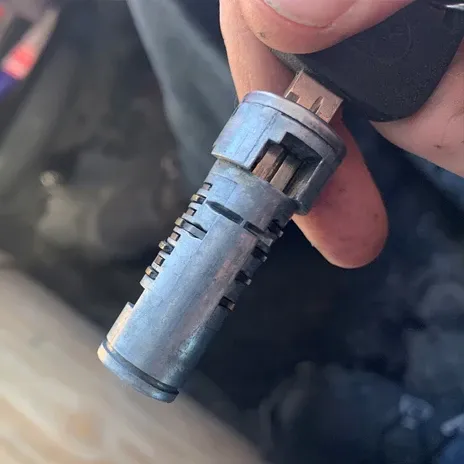
The Ignition Deserves Special Attention
Door locks are inconvenient when they fail. A failing ignition can leave you unable to start the car at all.
Warning Signs You Should Not Ignore
An ignition rarely dies without warning. Watch for a key that needs jiggling to turn, a cylinder that sticks at a certain point, a key that goes in only partway, or a vehicle that intermittently fails to crank. These symptoms tend to get worse, not better, and addressing them early is far easier than dealing with a cylinder that has seized completely. If you notice them, it is worth arranging ignition key repair in Calgary before the problem strands you.
Worn Keys Make It Worse
A key that has been used for years develops rounded, worn edges. Pair a worn key with a worn ignition and the two stop engaging reliably. Sometimes the fix is as simple as cutting a fresh key to the original specification so it seats properly again. Super G&R Automotive can assess whether the key, the cylinder or both are the issue.
What to Do, and What to Avoid
The wrong response to a sticky lock in spring can turn a small problem into a real repair.
Do Not Force It
Forcing a key that will not turn is the fastest way to snap it off inside the lock or ignition, which converts an annoyance into an extraction job. If a key resists, stop and have the mechanism looked at. A trusted automotive locksmith can clean, lubricate or rebuild a lock far more easily than dealing with the aftermath of a broken key.
Keep Access Covered While You Sort It Out
If a stubborn lock or ignition leaves you shut out of the vehicle, resist the urge to pry at a door or window. A mobile specialist can get a car lockout resolved quickly without damaging the paint, weather seals or electronics, and then diagnose the underlying lock or ignition fault in the same visit. Super G&R Automotive serves Calgary and nearby communities including Okotoks, Cochrane, Chestermere and Airdrie around the clock.
Frequently Asked Questions
Why does my lock work fine in summer but stick in spring? Freeze-thaw cycles and road salt leave moisture and residue inside the cylinder over winter. As things warm and that grime dries and corrodes, the lock stiffens. A cleaning and relubrication usually restores smooth operation.
My key sticks in the ignition. Is that dangerous? It is a warning sign worth acting on. A sticking ignition tends to deteriorate, and ignoring it risks a seized cylinder or a key snapping off. An automotive locksmith can diagnose and repair it before it fails completely.
Should I spray lubricant into the lock myself? A dedicated lock lubricant can help, but thick household oils attract grit and make matters worse. If a lock is already jamming, it is safer to have a specialist clean it properly rather than guess.
Can a worn key cause ignition problems? Yes. A worn key and a worn cylinder stop engaging reliably. Cutting a fresh, correctly specified key sometimes resolves the problem on its own.
Spring is the season to catch these issues early. A key that needs coaxing or a lock that sticks is your vehicle asking for attention, and a quick visit from Super G&R Automotive is far easier than being stranded on a cold April morning.

























Sign in to leave a comment.