Aftermarket Truck Bumper Guide: How to Choose the Right Bumper

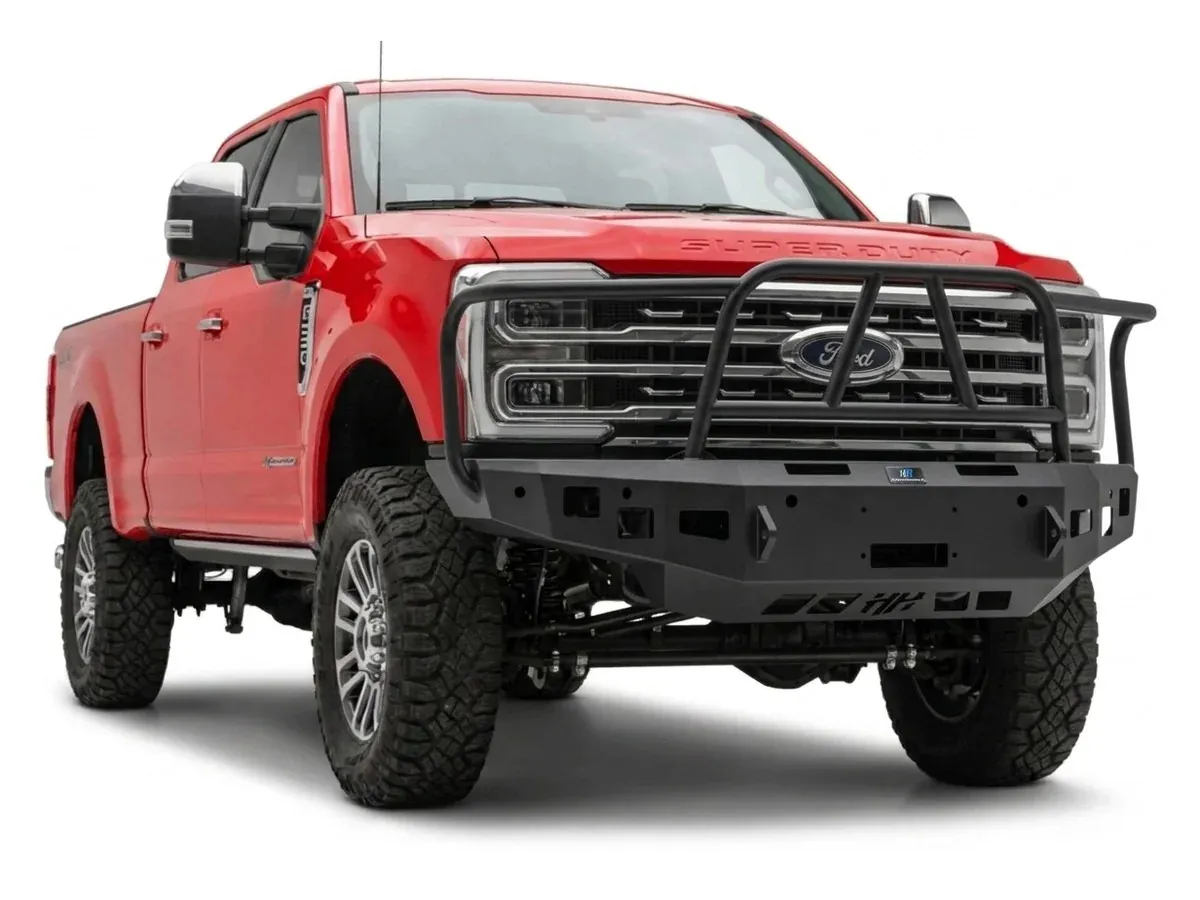
Choosing a new truck bumper is not only about making your vehicle look tougher. The right bumper can change the way your truck handles protection, recovery, towing, off road driving and everyday work. With so many styles, materials, brands and fitment options available, it can be difficult to know where to begin. This aftermarket truck bumper guide helps break down the most important things to consider before choosing an aftermarket bumper for your truck.
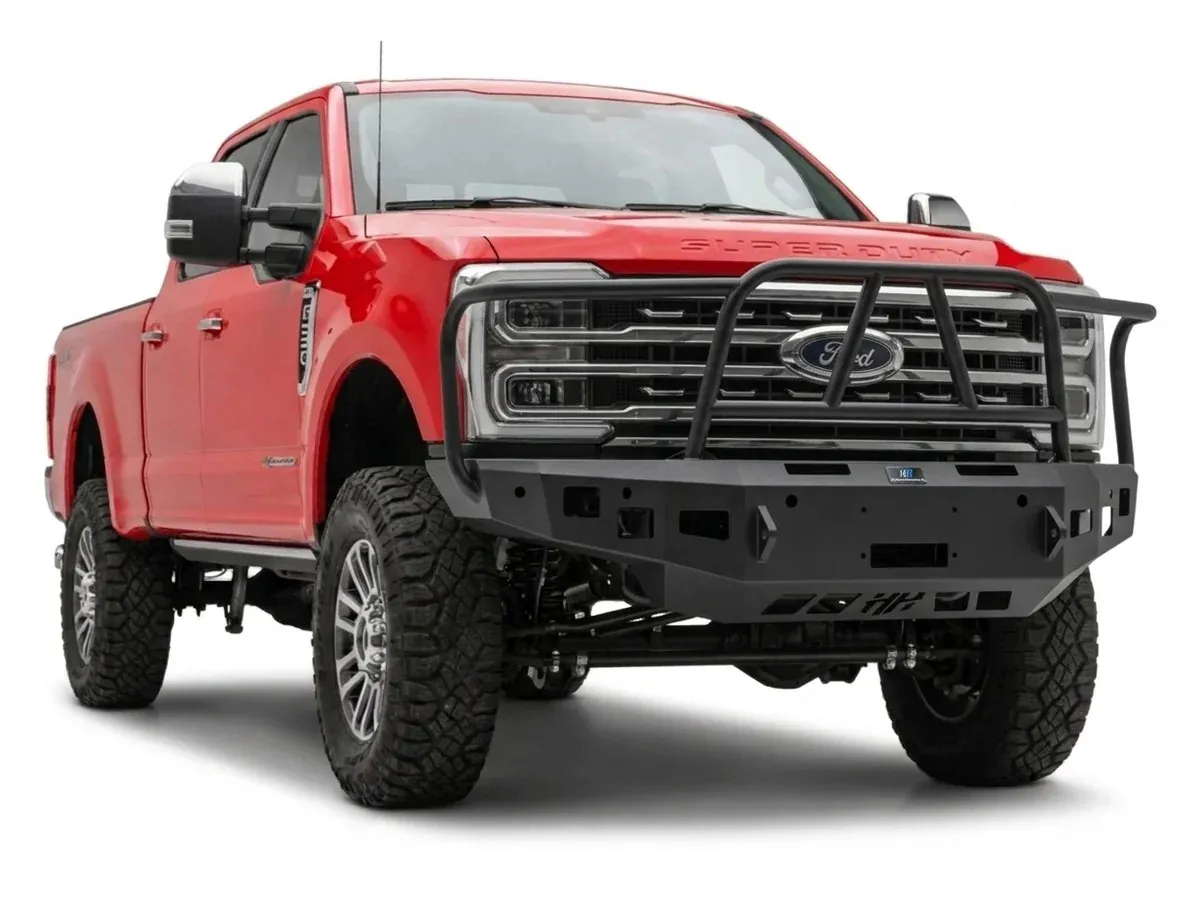
Why Consider an Aftermarket Truck Bumper?
Factory bumpers are designed to provide basic protection and maintain the original appearance of a vehicle. However, truck owners often use their vehicles for much more demanding situations. Towing, hauling, off road driving, farm work, construction, hunting and long distance travel can all place different demands on the front or rear of a truck.
An aftermarket bumper can provide a stronger and more purpose built alternative. Depending on the design, it may offer additional protection, a winch mounting area, improved approach angles, recovery points, grille coverage or a more rugged appearance.
The key is to choose a bumper based on how you actually use your truck rather than simply choosing the largest or most aggressive looking option.
Understand the Different Bumper Styles
One of the first steps is understanding the different bumper designs available. Each style has a specific purpose and there is no single bumper that is perfect for every truck owner.
Full Grille Guard Bumpers
Full grille guard bumpers provide extensive front end coverage. They generally combine a steel bumper with tubular protection around the grille and headlights.
This style can be useful for drivers who regularly travel rural roads or areas where animal encounters and road debris are concerns. The additional coverage can help protect areas beyond the main bumper.
The trade off is weight. Full grille guard designs are generally among the heaviest bumper options and can also add some length to the front of the truck.
Pre Runner Bumpers
Pre runner bumpers typically feature a single hoop positioned over the center of the bumper. Unlike a full grille guard, they generally leave the headlights more exposed.
They are popular with off road drivers because they provide some additional protection while maintaining an open and sporty front end appearance. They are also generally lighter than full grille guard designs.
Low Profile Bumpers
If you want a cleaner appearance without a large guard, a low profile bumper may be a better option.
These bumpers replace the factory bumper with a stronger steel design while keeping the overall shape closer to the truck's original body. They can be a good choice for drivers who want additional strength without an oversized appearance.
Many low profile bumpers can also accommodate accessories such as winches or light pods, although compatibility should always be checked before purchasing.
Winch Bumpers
For people who regularly travel off road, tow, plow or drive in remote areas, a winch bumper can be especially useful.
These bumpers are designed around a winch rather than simply being modified to accept one. They typically feature reinforced mounting areas and a fairlead opening.
If you are considering a winch bumper, make sure the bumper and winch are compatible. The winch's capacity should also match the weight and requirements of your truck.
Deer Guards
A deer guard is another option worth considering for drivers who frequently travel rural highways, hunting areas or roads where wildlife crossings are common.
These designs generally provide extensive front end coverage, particularly around the grille and headlights. A properly fitted guard can provide another layer of protection for the front of the vehicle.
However, drivers should never treat a heavy duty bumper as a replacement for safe driving. Staying alert and maintaining control of the vehicle are still the most important safety measures.
Ranch Style Bumpers for Work Trucks
Truck owners who spend their time on farms, ranches or work sites may prefer a ranch style bumper.
These bumpers commonly use diamond plate steel and have a straightforward, heavy duty appearance. Some designs also include receiver openings and other useful features for towing and work applications.
Ranch style bumpers are designed with practicality in mind. They can be a good fit for someone who wants a strong front end without choosing a highly specialized off road design.
Aluminum Bumpers: A Lighter Alternative
Steel is not the only material available. Aluminum bumpers are another option for truck owners who want to reduce additional weight.
According to the guide, aluminum guards can weigh roughly half as much as comparable steel designs. They can also offer corrosion resistance while maintaining a strong protective structure.
The downside is that aluminum options can have a higher purchase price. For some truck owners, however, the lower weight may make the additional cost worthwhile.
Think About Your Truck's Main Purpose
Before buying a bumper, ask yourself a simple question: What do I actually use my truck for?
If you mostly drive on highways and want a cleaner appearance, a low profile bumper may be enough. If you spend weekends on trails, a pre runner or winch bumper could make more sense.
For rural driving, a grille guard or deer guard may be more appropriate. Farmers, ranchers and fleet operators may prefer a heavy duty ranch style bumper.
This is one of the most important ideas in an aftermarket truck bumper guide: the best bumper is the one that matches your daily needs.
Check Fitment Before Ordering
Even the best bumper is not useful if it does not fit your truck.
Always check the exact year, make, model, trim and configuration before placing an order. You should also consider modifications such as suspension lifts, body lifts, aftermarket lighting, winches, parking sensors, cameras and other accessories.
Modern trucks often have cameras and parking sensors positioned around the factory bumper. An aftermarket bumper must be compatible with those systems if you want to keep them functioning properly.
A good fitment check can save time, money and installation frustration.
Consider Weight and Installation
Heavy duty bumpers can add significant weight to the front of a truck. This is especially important when selecting full grille guards, steel bumpers and winch ready designs.
Consider how the added weight could affect your truck's setup. Suspension, payload, tire clearance and other modifications may also need to be considered.
Installation is another factor. Some bumpers are designed for relatively straightforward installation, while heavier or more complicated systems may be better handled with professional help.
Compare Protection, Features and Appearance
Price should not be the only deciding factor. Instead, compare what you are actually getting.
Look at:
- Material and construction
- Bumper weight
- Grille or headlight coverage
- Winch compatibility
- Recovery points
- Tow hook compatibility
- Lighting options
- Sensor and camera compatibility
- Vehicle fitment
- Installation requirements
Overall design
The guide groups bumpers into seven major styles and compares them based on protection, weight, winch compatibility, appearance, price range and intended use.
This makes it easier to narrow your choices based on your priorities instead of choosing a bumper simply because it looks impressive.
Make the Upgrade Work for Your Truck
An aftermarket bumper can completely change the appearance of a truck, but the best upgrades go beyond appearance. A properly selected bumper should complement the way you drive and the work you expect your truck to handle.
Whether you need better front end coverage, a winch setup, a cleaner low profile appearance or a heavy duty bumper for ranch and fleet work, there are options designed around different needs.
Taking time to compare styles and confirm fitment can help you avoid buying something that is too heavy, too large, incompatible with your accessories or simply not suited to your driving habits.
Conclusion
The right bumper is ultimately a balance between protection, functionality, weight, appearance and vehicle compatibility. A full grille guard may suit rural drivers, while a pre runner can work well for off road use. Low profile bumpers offer a cleaner look, winch bumpers focus on recovery and ranch style designs are well suited to work focused trucks.
For anyone comparing different options, this aftermarket truck bumper guide provides a useful starting point for understanding the major styles and their advantages. For a wider selection of truck specific options and fitment choices, BumperOnly is a practical place to compare bumpers before making a final decision.
Ready to upgrade your truck? Check your vehicle fitment, compare the available bumper styles and choose the option that best matches your driving and work needs today.


Sign in to leave a comment.