
Agra is often introduced through one unforgettable monument, but the city has much more to offer than the Taj Mahal. Its Mughal heritage, historic neighborhoods, traditional crafts, gardens, and local food create a destination with several layers to discover. For travelers who want to understand this character beyond the famous landmark, an agra city tour can bring together historic sites and everyday experiences in a more complete way.
Begin With the Taj Mahal
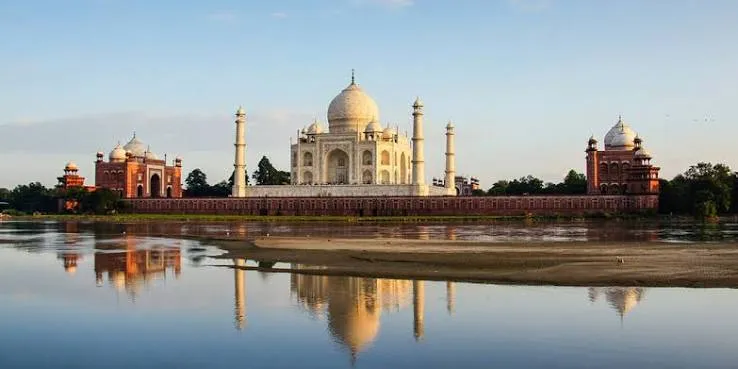
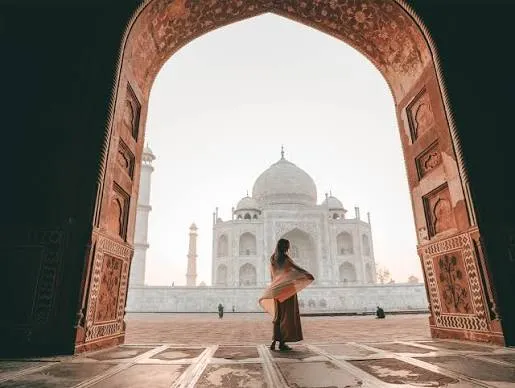
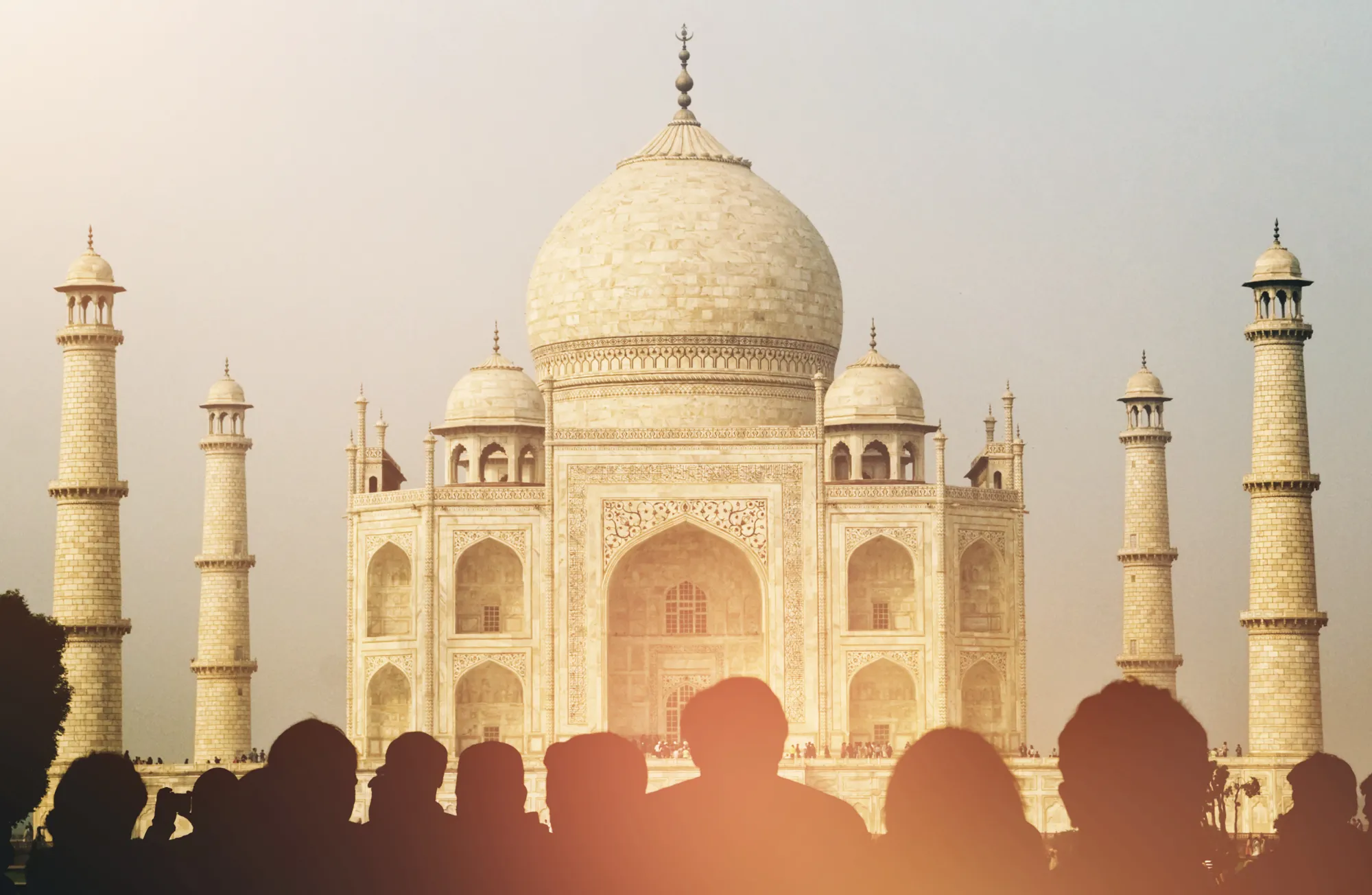
No visit to Agra would feel complete without seeing the Taj Mahal. Built during the Mughal era, the monument is recognized as a UNESCO World Heritage Site and remains the city's most celebrated attraction. Its white marble architecture, gardens, and position beside the Yamuna make it particularly striking.
However, the experience can be more meaningful when you take time to understand the history and architectural details behind the monument. Rather than treating the Taj Mahal as simply a photographic stop, learning about its construction, design, and place in Mughal history gives the visit greater context.
Travelers should also check current visiting information before planning their day, as the Taj Mahal is closed to visitors on Fridays.
Step Into the Mughal World at Agra Fort
A short distance from the Taj Mahal, Agra Fort offers another perspective on the city's imperial past. The fort was rebuilt in red sandstone under Emperor Akbar and later developed with additions associated with Shah Jahan. Its complex contains palaces, halls, courtyards, and other architectural features.
Walking through Agra Fort allows visitors to understand how the Mughal court functioned and how architecture was used to express power and refinement. From certain parts of the fort, visitors can also see the Taj Mahal across the Yamuna, creating a visual connection between two major landmarks.
Discover the Beauty of Itimad-ud-Daulah
Often called the “Baby Taj,” the Tomb of Itimad-ud-Daulah offers a quieter experience. Built between 1622 and 1628 by Empress Nur Jahan for her father, Mirza Ghiyas Beg, the monument is known for its white marble, delicate lattice screens, and detailed stone inlay.
Its intricate decoration makes it especially interesting for travelers who appreciate architecture and craftsmanship. The monument also helps visitors understand the artistic developments that contributed to later Mughal architecture.
Take a Different View at Mehtab Bagh
For travelers who want to slow down after visiting major monuments, Mehtab Bagh provides a more peaceful setting. Located across the Yamuna from the Taj Mahal, the historic garden is known for its views toward the monument and its landscaped surroundings.
The garden offers a different way to appreciate the Taj Mahal. Instead of standing directly in front of the monument, visitors can observe it from a distance and see how its architecture interacts with the surrounding landscape.
Experience Agra Beyond Its Monuments
Agra's identity is not limited to Mughal architecture. The city is also associated with traditional craftsmanship, particularly marble work and other handicrafts. Local markets provide opportunities to see handmade products and regional items that reflect the area's artistic traditions.
Food is another part of experiencing the city. Sampling local dishes and sweets can introduce travelers to flavors that are closely connected with North Indian culinary traditions. These smaller experiences can make a city visit feel more personal.
Give Yourself Time to Explore
Agra can be visited as a short stop, but allowing enough time to explore different parts of the city can provide a deeper experience. Combining major monuments with quieter attractions, local markets, and regional food creates a more balanced itinerary.
Private transportation and local guidance can also make it easier to move between attractions while maintaining a comfortable schedule. This can be particularly useful for travelers who want to spend more time at places that interest them rather than following a rushed sightseeing routine.
Conclusion
Agra is much more than the home of the Taj Mahal. Its forts, gardens, tombs, craftsmanship, food, and living traditions reveal a city shaped by centuries of history.
An agra city tour becomes more rewarding when travelers take time to explore these different sides rather than focusing on one landmark alone. From the grandeur of the Taj Mahal and Agra Fort to the detailed craftsmanship of Itimad-ud-Daulah and the peaceful setting of Mehtab Bagh, each place adds another chapter to Agra's story.
With thoughtful planning and a comfortable pace, Luxury India Private Tours can help travelers experience Agra through its historic sites, local traditions, and cultural character while creating a journey suited to their interests.
Frequently Asked Questions
How many days are needed for an Agra city tour?
A full day can cover the major attractions, but staying longer allows travelers to explore additional heritage sites, local markets, gardens, and cultural experiences without rushing.
What should I visit besides the Taj Mahal?
Agra Fort, Itimad-ud-Daulah, Mehtab Bagh, Akbar's Tomb at Sikandra, and other historic locations can add depth to your visit. Agra's official tourism information lists several additional heritage attractions across the city.
Is Agra suitable for a private city tour?
Yes. A private itinerary can provide greater flexibility with sightseeing times, transportation, and the attractions you want to explore.
Can local experiences be included in an Agra tour?
Yes. Depending on the itinerary, travelers can explore local markets, handicrafts, regional cuisine, and other experiences alongside the city's historic monuments.






















Sign in to leave a comment.