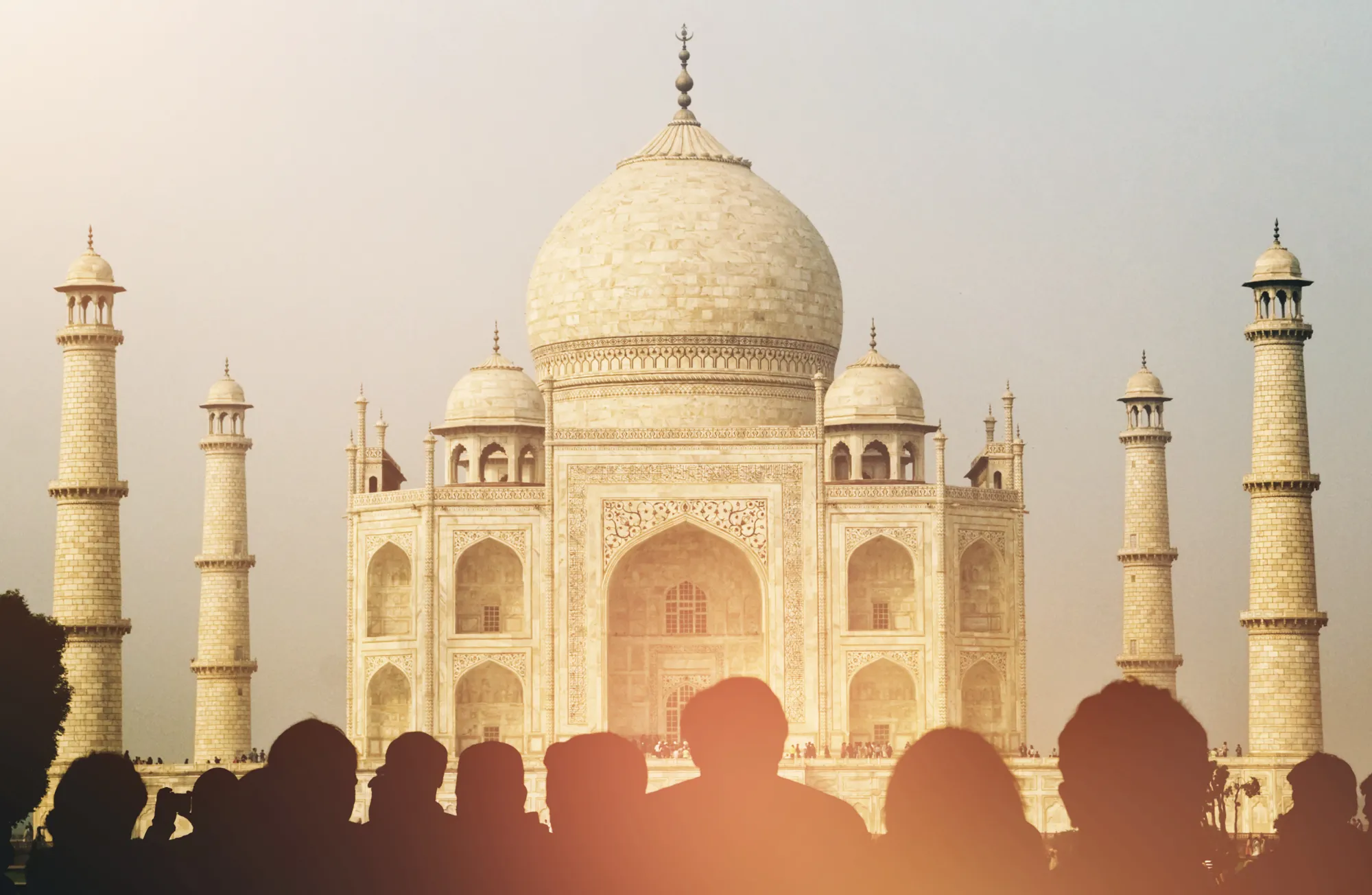

Agra is often introduced through one unforgettable image: the Taj Mahal rising beside the Yamuna. Yet the city has a much larger story to tell. Its streets, forts, gardens, tombs, markets, and surrounding heritage sites reflect centuries of changing rulers and artistic traditions. For travellers considering an Agra tour package, understanding these stories can make a visit more meaningful, because Agra is not simply a place to see famous monuments—it is a city shaped by history.
How Agra Became a Centre of Power
Agra's importance grew significantly during the Mughal period, when the city became an important centre of political power, architecture, art, and culture. The Mughal legacy remains visible across the city, from monumental forts to carefully designed gardens and richly decorated tombs. Agra is also part of India's famous Golden Triangle alongside Delhi and Jaipur.
Walking through Agra today can therefore feel like moving between different chapters of Indian history. The modern city continues to grow around monuments that were created centuries ago, creating an unusual meeting point between the past and present.
The Taj Mahal Tells a Story of Love and Craftsmanship
No exploration of Agra can begin anywhere other than the Taj Mahal. Commissioned by Emperor Shah Jahan in memory of Mumtaz Mahal, the monument was built primarily from ivory-white marble and became one of the finest expressions of Mughal architecture. It is also recognised as a UNESCO World Heritage Site.
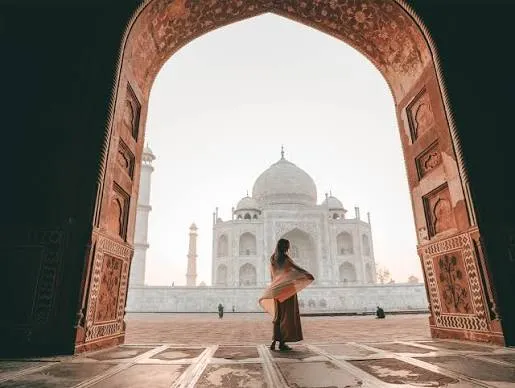
But the Taj Mahal deserves more than a quick photograph. Look closely at the marble inlay, carved screens, symmetry, gardens, domes, and reflecting pools, and the monument begins to reveal the extraordinary craftsmanship behind its appearance.
The changing light also alters the character of the building. Early morning can feel peaceful and atmospheric, while later light brings out different tones in the marble.
Agra Fort Reveals the Power Behind the Palace
If the Taj Mahal represents one side of Mughal history, Agra Fort reveals another. The massive red sandstone complex was rebuilt by Emperor Akbar from 1565 and later expanded and decorated by Shah Jahan. Within its walls are palaces, audience halls, mosques, courtyards, and private chambers.
The fort is particularly important because it was not merely a defensive structure. It functioned as an imperial city and a residence for generations of Mughal rulers.
From Musamman Burj, visitors can also see the Taj Mahal across the Yamuna. This view creates an interesting connection between the two monuments and the different chapters of Shah Jahan's life.
Itimad-ud-Daulah Shows a More Delicate Side of Mughal Architecture
Agra's history becomes even more interesting when you move beyond its most famous attractions. The Tomb of Itimad-ud-Daulah, often called the “Baby Taj,” provides a more intimate example of Mughal craftsmanship.
Built between 1622 and 1628 by Empress Nur Jahan for her father, Mirza Ghiyas Beg, the tomb is known for its white marble, intricate jali screens, and detailed pietra dura inlay. It is considered an important precursor to the Taj Mahal.
Its smaller scale encourages visitors to slow down and appreciate details that can be easy to overlook at larger monuments.
Mehtab Bagh Offers a Different Perspective
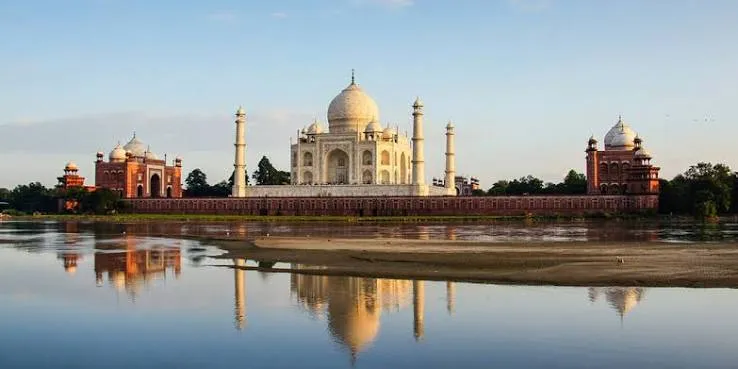
History does not always need to be experienced from inside a monument. Across the Yamuna, Mehtab Bagh provides an open view towards the Taj Mahal.
The Mughal garden was originally laid out by Babur and later aligned with the Taj Mahal during Shah Jahan's time. Today, its pathways and greenery offer a quieter setting away from the crowds surrounding the main monument.
Visiting around sunset can provide a completely different impression of the Taj. Instead of standing directly beneath the monument, you see it as part of the wider river landscape.
Fatehpur Sikri Extends Agra's Historical Story
The story of Agra does not end within the city's boundaries. Around 36 to 40 kilometres away, Fatehpur Sikri provides another remarkable glimpse into Mughal history.
Founded by Emperor Akbar in 1571, Fatehpur Sikri served as the Mughal capital for approximately 14 years. Its red sandstone buildings include the Buland Darwaza, Jama Masjid, Panch Mahal, Diwan-i-Khas, and the tomb of Sheikh Salim Chishti.
The architecture is particularly interesting because it combines Persian influences with Hindu and Jain architectural elements, reflecting the diverse cultural environment of Akbar's court.
Agra's Story Continues in Its Living Culture
Historic monuments may attract visitors to Agra, but the city's character is also connected with traditional craftsmanship. Local artisans are known for marble work, embroidery, leather products, and other handicrafts. Markets can therefore provide another perspective on the city's heritage.
Food is equally important. Regional dishes and traditional sweets offer a chance to experience Agra through its flavours rather than its architecture alone.
This combination of monuments, crafts, food, and everyday life helps explain why Agra remains more than a historic backdrop.
Conclusion
Agra becomes much more fascinating when its monuments are viewed as parts of a larger story. The Taj Mahal reflects love, artistry, and imperial ambition, while Agra Fort reveals the political power of the Mughal court. Itimad-ud-Daulah demonstrates the evolution of marble craftsmanship, Mehtab Bagh connects architecture with landscape, and Fatehpur Sikri expands the story beyond the city itself.
A meaningful Agra tour package is therefore not simply about visiting the Taj Mahal. It is an opportunity to understand the people, architecture, craftsmanship, and cultural changes that shaped one of India's most historically significant cities. Luxury India Private Tours can be considered when planning a wider private journey through Agra and other heritage destinations in India.
Frequently Asked Questions
How many days are enough to explore Agra?
One full day can cover the major highlights, but two days provide a more relaxed experience and allow time for lesser-known monuments, markets, gardens, and local experiences.
Is Agra only famous because of the Taj Mahal?
No. Agra is home to several major heritage sites, including Agra Fort and nearby Fatehpur Sikri, both UNESCO World Heritage Sites. It also has historic gardens, tombs, religious sites, traditional crafts, and markets.
What makes Agra Fort important?
Agra Fort was an imperial Mughal centre containing residences, audience halls, mosques, and palaces. Its architecture also reflects changes made under different Mughal rulers.
Is Itimad-ud-Daulah worth visiting?
Yes. Its delicate marble work, pietra dura decoration, and carved screens offer a quieter and more detailed architectural experience than some of Agra's larger monuments.
Can Agra be combined with Delhi and Jaipur?
Yes. Agra, Delhi, and Jaipur form India's well-known Golden Triangle and can be combined into one broader cultural and heritage journey.

























Sign in to leave a comment.