Agricultural Equipment Shipping: A Smarter Way to Move Farm Machinery

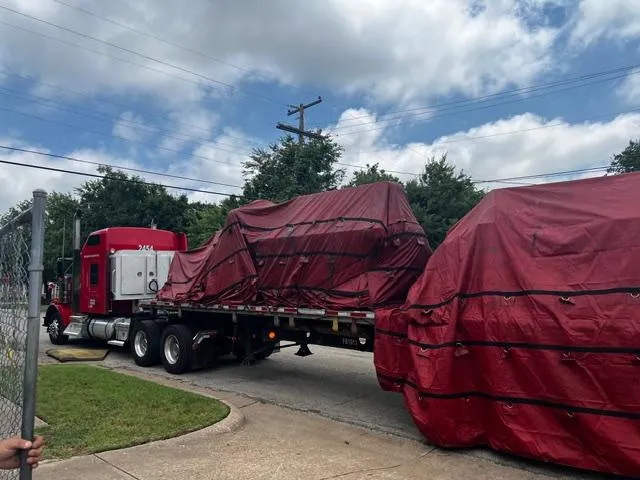
Farm equipment is built to work hard in demanding conditions. Tractors, harvesters, planters, tillers, sprayers, irrigation equipment, and other agricultural machines are often large, heavy, and awkward to handle. Moving them from one farm, warehouse, dealership, or job site to another requires more planning than shipping an ordinary product.
That is why agricultural equipment shipping deserves careful attention from the moment a machine is prepared for transport.
A successful shipment involves more than finding a truck. The equipment needs to be prepared properly, protected against damage, secured for movement, and handled according to its size and weight. In some cases, parts may need to be removed or secured separately to make transportation safer and more practical.
For businesses that regularly move agricultural machinery, custom packaging and shipping services can make the process easier by bringing preparation and transportation planning together.
Why Farm Equipment Can Be Difficult to Ship
Agricultural machinery comes in many shapes and sizes. A compact attachment might be relatively straightforward to transport, while a combine or large tractor can require substantial planning.
Unlike a small boxed product, farm equipment may have:
- Large wheels or tracks
- Extended arms or attachments
- Sharp or exposed components
- Hydraulic or mechanical parts
- Fragile controls and electronic systems
- Uneven weight distribution
- Components that extend beyond the main frame
These features create practical challenges during transportation.
Think of moving a large piece of furniture through a narrow doorway. Its weight matters, but so do its dimensions, shape, and the path it needs to follow. Agricultural machinery presents the same kind of challenge on a much larger scale.
Proper Preparation Should Come First
One of the most important parts of agricultural equipment shipping happens before the equipment ever reaches the truck.
The machine should be inspected and prepared according to its design and transportation requirements. Loose components should be secured, removable parts should be handled appropriately, and areas that could be damaged during handling should receive additional protection.
The equipment's measurements are also important. Its height, width, length, and weight can affect which transportation method is suitable.
A shipment should never be planned based on an approximate size when accurate measurements are available. A few extra inches can matter when equipment needs to pass through loading areas, fit onto transportation equipment, or travel beneath height restrictions.
Cleaning Equipment Can Make a Difference
Farm machinery frequently operates around soil, mud, plant material, fertilizer, dust, and other debris. Cleaning equipment before shipping can be useful for several reasons.
First, it gives the shipper an opportunity to inspect the machine more carefully. Dirt can hide loose components, leaks, cracks, or other issues that might otherwise go unnoticed.
Second, removing excess debris can make handling and packaging cleaner. It can also prevent loose material from falling onto other equipment or transportation surfaces.
Cleaning requirements may vary depending on the destination and the type of equipment being shipped. Businesses should consider any applicable transportation, inspection, or destination requirements before preparing machinery.
Protect the Parts Most Likely to Be Damaged
Not every part of agricultural equipment needs the same level of protection.
A heavy metal frame may withstand conditions that would damage a control panel, sensor, display, light, glass surface, or exposed attachment.
This is why protective planning should focus on vulnerable areas rather than treating the entire machine exactly the same way.
For example, imagine packing a laptop. You would not rely solely on the strength of the outer box. You would also protect the screen and keep the computer from sliding around inside. Farm machinery follows the same basic principle.
Sensitive components may need cushioning, covering, blocking, bracing, or other protective measures depending on the equipment.
When Custom Crating Makes Sense
Some agricultural equipment can be transported without a full enclosed crate. Other items may benefit from custom-built protection.
Crating can be particularly useful when equipment contains delicate components, removable parts, unusual shapes, or areas that require protection from contact during transportation.
A custom crate is essentially a protective structure built around a specific item. Instead of forcing the equipment into a generic container, the packaging is planned according to the machine's dimensions and characteristics.
This can be compared to having a suit tailored to fit one person rather than buying a standard size and hoping it works. The customized option is designed around the subject it needs to protect.
Choosing the Right Transportation Method
There is no single shipping method that works for every agricultural machine.
The appropriate option depends on factors such as equipment dimensions, total weight, destination, distance, loading requirements, and whether the machine can be driven or must be transported as cargo.
Some machinery may be suitable for standard freight arrangements, while oversized equipment may require specialized transportation planning.
Businesses should also consider how the machine will be loaded and unloaded. A transportation plan is incomplete if nobody has considered how the equipment will safely get onto the vehicle in the first place.
Securing Equipment During Transit
A machine that weighs several thousand pounds can still move during transportation if it is not secured correctly.
Road conditions naturally create vibration and movement. Turning, braking, accelerating, and uneven surfaces can all place forces on cargo.
Proper securing helps keep equipment where it belongs.
The exact securing approach depends on the equipment and transportation method. Professional shipping providers can determine how the cargo should be positioned and restrained according to the shipment's characteristics.
This is similar to carrying a full glass of water in a moving vehicle. The glass may be heavy enough to stay on the floor, but that does not mean the water will remain still. Movement needs to be anticipated and controlled.
Attachments Need Special Attention
Agricultural machines often work with attachments such as blades, buckets, planting equipment, cutting components, arms, or other implements.
These attachments can make shipping more complicated because they may increase the machine's overall dimensions or create additional areas that need protection.
Depending on the equipment and transportation plan, an attachment may be removed and packaged separately. In other situations, it may remain connected but require additional support or protection.
The decision should be based on the equipment's design, transportation requirements, and safe handling practices.
Protecting Against Weather and Environmental Exposure
Agricultural equipment is designed for outdoor work, but transportation can expose machinery to conditions that differ from normal operation.
During a shipment, equipment may encounter rain, dust, road debris, temperature changes, or extended exposure to outdoor conditions.
Protective covers and suitable packaging can help reduce exposure to some of these elements. However, protection should not create new problems. For instance, covering equipment without considering moisture can sometimes trap condensation.
The right approach depends on the equipment, journey, duration, and environmental conditions expected during transportation.
Why Documentation Matters
Shipping large machinery involves more than physical preparation.
Before transportation begins, businesses should have accurate information about the equipment. This can include its dimensions, weight, identification information, condition, and any special handling instructions.
Photographs can also be useful. Taking clear pictures before shipping creates a record of the equipment's condition before transportation.
This is especially helpful when valuable machinery is being transferred between businesses, locations, dealers, or customers.
Good documentation works like taking a photograph before handing an expensive item to a repair shop. It establishes a clear reference point.
The Value of Professional Packaging Services
Businesses may be tempted to handle packaging internally, particularly when they ship equipment only occasionally. However, large machinery can be difficult to prepare without the appropriate experience, materials, workspace, and handling equipment.
Professional custom packaging and shipping services can help businesses manage these challenges.
Instead of treating packaging as a last-minute task, professional providers can assess the shipment and determine what type of protection is appropriate.
This can be particularly useful for manufacturers, agricultural equipment dealers, distributors, repair facilities, and companies transferring machinery between locations.
How AA&D Crating Can Help
When agricultural machinery requires specialized preparation, working with an experienced packaging provider can simplify the process.
AA&D Crating can help businesses approach large and valuable shipments with a focus on proper preparation and protection. Custom crating can be particularly useful when standard packaging does not provide the support an item requires.
The benefit is not simply having a crate around the equipment. The real value comes from considering the equipment's individual characteristics before deciding how it should be packaged.
Common Mistakes to Avoid
Several simple mistakes can create unnecessary shipping problems.
Guessing the Equipment's Dimensions
Estimating measurements can cause problems when transportation equipment or loading spaces have strict size limits. Accurate measurements are much safer than relying on memory or rough estimates.
Leaving Loose Components Unsecured
Small parts can move, fall, or strike other surfaces during transit. Loose items should be dealt with before the shipment leaves the facility.
Ignoring Fragile Components
A machine may be extremely strong overall while still containing delicate electronics, glass, controls, or sensors. These components deserve individual consideration.
Waiting Until the Last Minute
Large shipments usually require more planning than ordinary packages. Starting early gives businesses time to address packaging, transportation, loading, and scheduling requirements.
Choosing Packaging Based Only on Price
The cheapest packaging option is not always the least expensive overall. If inadequate protection results in damage, repairs, replacement, delays, and additional transportation costs can quickly exceed the original savings.
A Step-by-Step Approach to Better Equipment Shipping
A straightforward process can make agricultural machinery transportation easier to manage.
Step 1: Identify the equipment.
Record what is being shipped and note any unusual features or vulnerable components.
Step 2: Measure and weigh it.
Use reliable measurements rather than estimates.
Step 3: Inspect the machine.
Look for loose parts, exposed components, existing damage, or areas requiring special protection.
Step 4: Prepare the equipment.
Clean it as appropriate, secure movable components, and follow the manufacturer's transportation recommendations.
Step 5: Select suitable protection.
Determine whether covers, cushioning, blocking, bracing, custom packaging, or crating is appropriate.
Step 6: Plan loading and unloading.
Make sure the required equipment and personnel will be available.
Step 7: Secure the shipment.
The machinery should be restrained appropriately for its size and transportation method.
Step 8: Document its condition.
Take photographs and retain relevant shipping information.
Step 9: Confirm the destination requirements.
Make sure the receiving location is prepared to accept the equipment.
This process helps turn a complicated shipment into a series of manageable tasks.
Why Planning Can Save More Than Money
Poor shipping preparation can create problems that extend far beyond physical damage.
A delayed machine may interrupt planting, harvesting, maintenance, construction, or production schedules. A damaged component may require replacement. A customer waiting for equipment may have to postpone their own work.
Agricultural businesses often operate according to tight seasonal schedules. When machinery is needed, even a relatively short delay can have significant consequences.
Careful preparation therefore protects something just as valuable as the equipment itself: time.
Final Thoughts on Agricultural Equipment Shipping
Agricultural equipment shipping requires a different mindset from ordinary package delivery. Farm machinery is often heavy, oversized, expensive, and made up of components that respond differently to movement and handling.
Successful transportation begins with preparation. Accurate measurements, equipment inspection, appropriate protection, careful loading, and proper securing all contribute to a safer shipment.
For businesses that need additional support, custom packaging and shipping services can provide a practical way to manage specialized transportation requirements without leaving every detail to an internal team.
Whether a business is moving a tractor, harvester, attachment, irrigation component, or another type of agricultural machinery, the basic goal remains the same: prepare the equipment for the journey before the journey begins.
With thoughtful planning and professional support from companies such as AA&D Crating, businesses can approach challenging machinery shipments with greater confidence and a clearer process from preparation through delivery.






Sign in to leave a comment.