

Career planning has traditionally depended on personal interests, educational background, professional advice, and an understanding of available job opportunities. However, the modern workplace is changing quickly, making career decisions more complex. New technologies, evolving job roles, and changing skill requirements mean professionals need more than a basic career roadmap. An AI career platform brings together artificial intelligence, career data, skills information, and personalized recommendations to help individuals make more informed decisions about their professional direction.
The Changing Nature of Career Planning
Career planning is no longer a one-time decision made at the beginning of a person's professional life. Employees may change industries, develop new skills, move into management, or transition into entirely different occupations. At the same time, businesses continue to introduce new technologies that influence which skills are valuable.
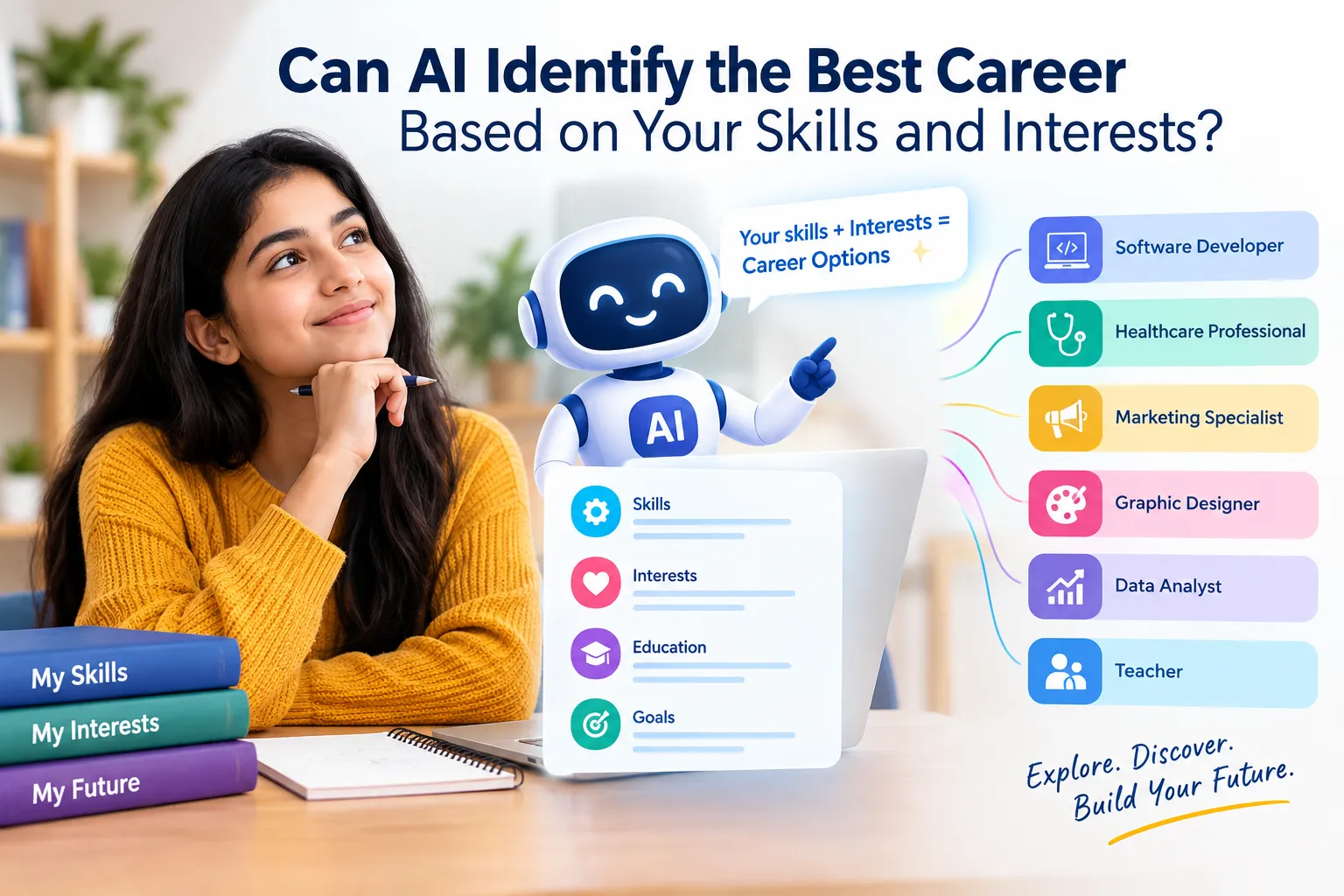
AI-powered platforms respond to this changing environment by analyzing information about a person's skills, experience, interests, and career goals. Instead of relying only on general career descriptions, these platforms can provide recommendations based on an individual's professional profile.
This creates a more continuous approach to career development. A person can use technology to review their current capabilities, identify areas for improvement, and evaluate potential career paths as their goals change.
Personalized Career Recommendations
One of the most important ways AI is influencing career planning is through personalization. Traditional career resources often provide broad information about occupations, industries, and required qualifications. AI systems can process individual information and connect it with career-related data.
For example, a professional with experience in customer service may have transferable skills in communication, problem-solving, relationship management, and organization. An AI system can identify these capabilities and suggest roles where they may be useful.
Personalized recommendations can also help people consider career options they may not have previously recognized. Rather than focusing only on a current job title, users can evaluate related roles based on their existing skills and potential development areas.
Identifying Skills Gaps
Understanding the difference between current skills and future career requirements is another important part of modern planning. AI can compare an individual's existing abilities with the skills commonly associated with a target role.
This process can reveal specific areas that require attention. Someone interested in data analysis, for instance, may already have strong analytical and communication skills but need additional knowledge of data visualization or statistical tools.
Having this information makes professional development more focused. Instead of completing random courses, individuals can prioritize learning activities that directly support their career objectives.
Supporting Career Transitions
Career changes can be challenging because professionals often struggle to understand how their existing experience applies to a new field. AI-based career tools can help identify transferable skills and possible transition routes.
A marketing professional considering a move into product management, for example, may already possess experience in customer research, communication, project coordination, and market analysis. An AI platform can highlight these transferable capabilities and identify additional skills that may improve their suitability for product-related positions.
This does not remove the need for human judgment. Instead, it gives individuals more information when evaluating whether a transition is realistic.
Using Labor Market Information
Modern career planning also requires an understanding of what employers are looking for. AI platforms can analyze job descriptions, skill requirements, and career information to identify patterns.
This can help users recognize which skills appear frequently in their target occupations. It may also show how job requirements differ between industries or career levels.
For example, entry-level roles may emphasize foundational technical abilities, while senior positions may place greater importance on leadership, strategic thinking, and decision-making. Understanding these differences can help professionals plan their development over time.
Improving Career Goal Setting
Career goals are more useful when they are specific and measurable. AI-powered tools can help break broad ambitions into smaller development steps.
Instead of simply setting a goal such as "move into a management position," a user can identify the competencies associated with management, assess current strengths, and establish learning or experience-building objectives.
This approach creates a clearer connection between long-term ambitions and short-term actions. Progress can then be reviewed as professional circumstances change.
Helping Job Seekers Prepare More Effectively
AI is also influencing the practical side of career planning. Some platforms can assist users in reviewing resumes, identifying relevant skills, comparing profiles with job requirements, and improving the way professional experience is presented.
For job seekers, this can provide useful insight into whether their current profile communicates the qualifications employers are seeking.
However, AI-generated recommendations should be treated as guidance rather than guaranteed outcomes. Employment decisions are influenced by many factors, including experience, competition, company requirements, interviews, and professional networks.
The Role of Human Judgment
Although AI can process large amounts of career information, it cannot completely understand a person's motivations, personal circumstances, workplace preferences, or emotional priorities.
A recommendation may identify a promising career path based on skills and job data, but the individual still needs to decide whether that path fits their interests and long-term goals.
The strongest approach combines technology with personal reflection and, when appropriate, guidance from experienced professionals. AI can provide structure and evidence, while human judgment adds context and understanding.
Making Career Planning More Continuous
Perhaps the biggest change introduced by AI is the shift from occasional career planning to continuous career development. Professionals can regularly review their skills, monitor changes in their industry, and adjust their goals instead of waiting until they need a new job.
This is particularly useful in industries where technology and job responsibilities evolve quickly. Regular assessments can help individuals remain aware of emerging opportunities and prepare before a skill becomes essential.
Conclusion
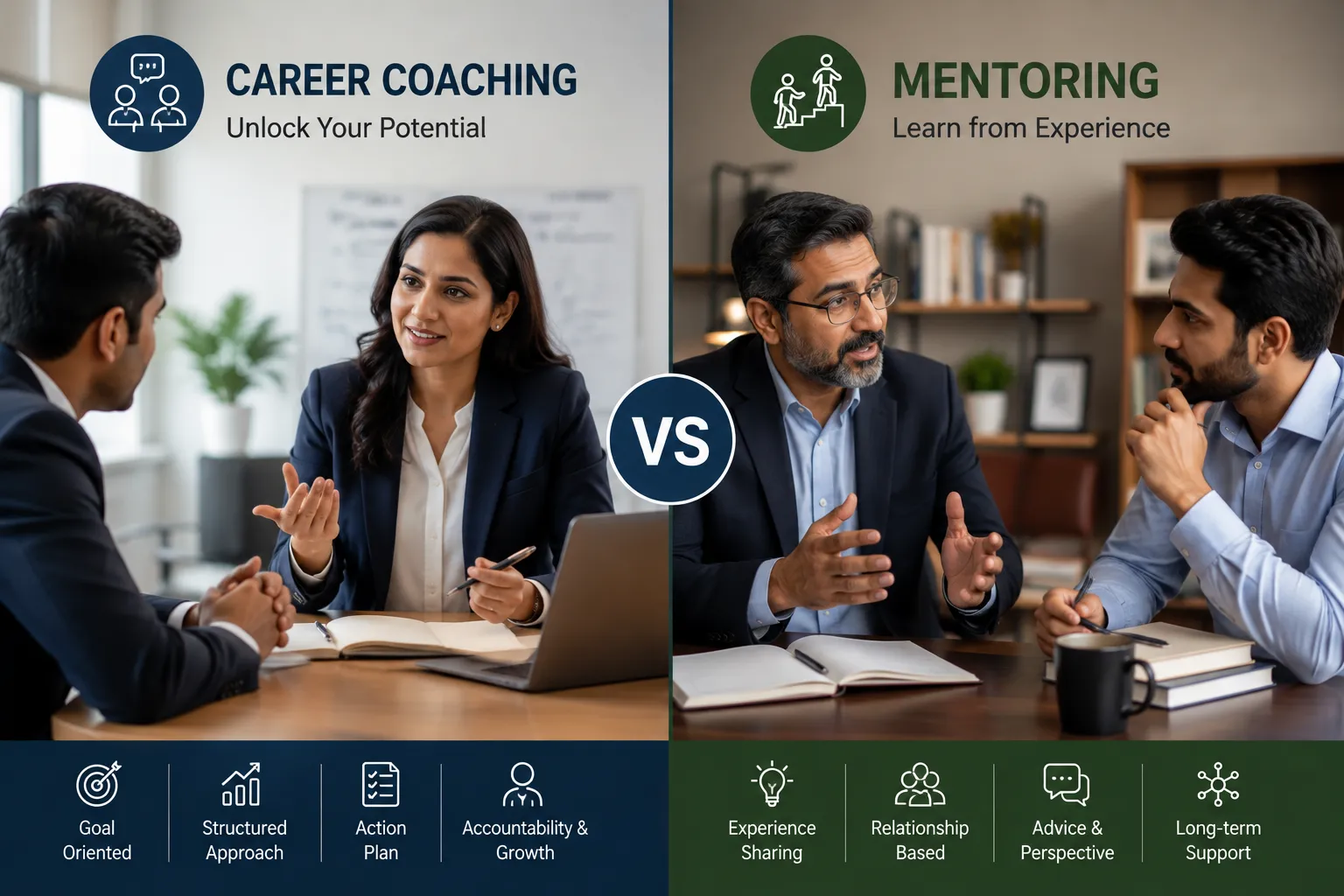
AI is making career planning more personalized, data-informed, and continuous. From identifying transferable skills to recognizing skill gaps and evaluating career options, intelligent tools can give professionals useful information for making better decisions. However, technology works best as a support system rather than a replacement for personal judgment. Combining AI-driven insights with thoughtful decision-making and professional career coaching can create a more balanced approach to long-term career growth.
FAQs
1. What is an AI career platform?
An AI career platform is a digital service that uses artificial intelligence and career-related data to provide personalized guidance about skills, career paths, professional development, and employment opportunities.
2. Can AI help me choose a career path?
Yes. AI can analyze information such as skills, experience, interests, and career goals to identify potential career paths and highlight areas that may require further development.
3. Can AI identify my transferable skills?
Many AI-powered career tools can analyze your professional experience and identify skills that may apply to different roles or industries.
4. Are AI career recommendations always accurate?
No. AI recommendations are based on available data and algorithms and may not fully account for personal preferences, circumstances, or changes in the job market. They should be used as guidance rather than a final decision.
5. How can AI help with career development?
AI can help identify skill gaps, suggest learning priorities, compare career options, analyze job requirements, and support ongoing professional planning.
6. Is AI replacing traditional career advice?
Not necessarily. AI provides data-driven support, while human advisors can offer context, experience, and personalized judgment. Using both can make career planning more comprehensive.




















Sign in to leave a comment.