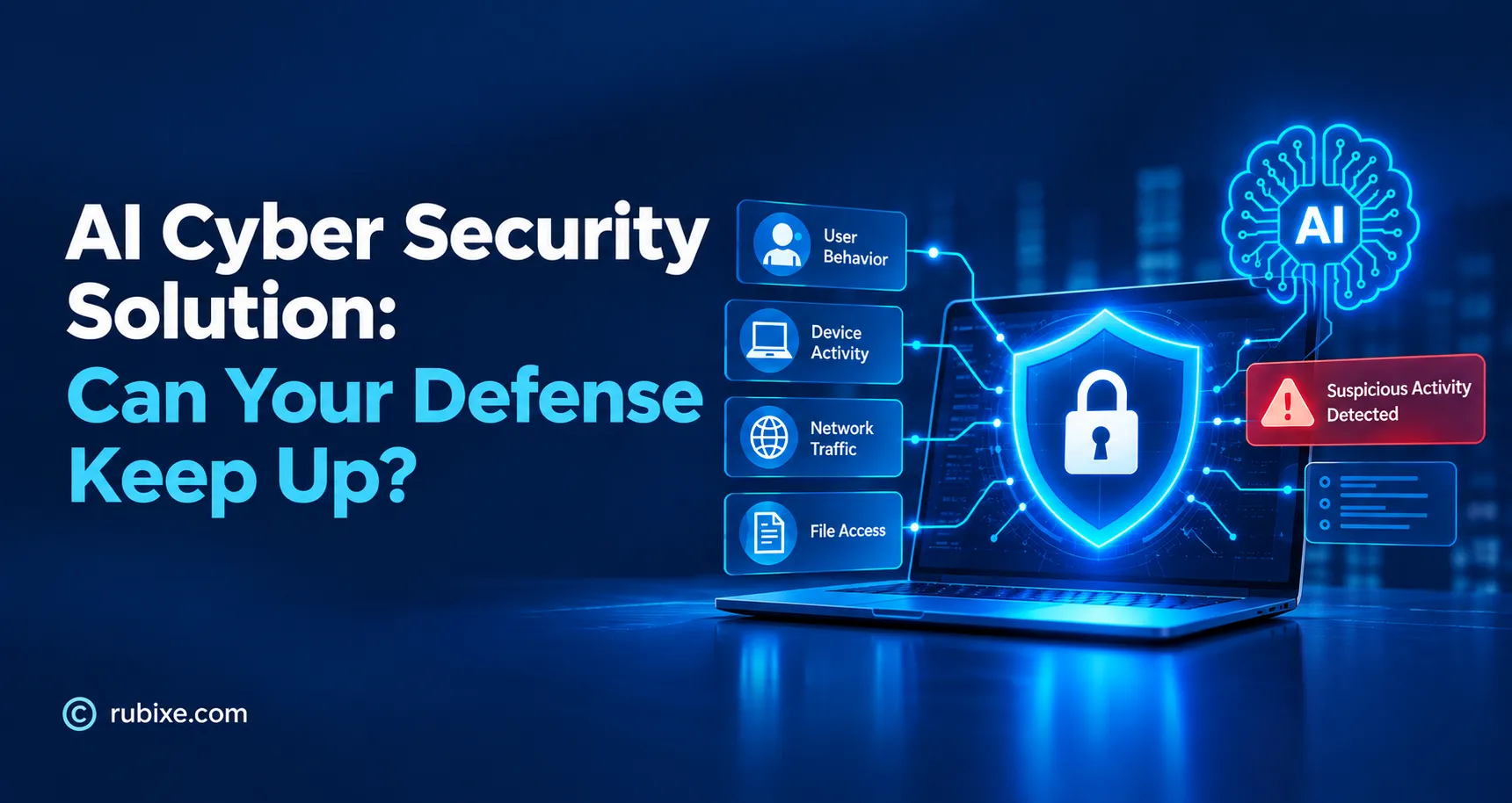


At 2:13 a.m., a login alert appears on your security dashboard. It looks normal. The user has the right password, the device is known, and the login comes from a familiar region. Your team ignores it. Two hours later, company files are being accessed in bulk. The problem was not a missing alert. It was a missed pattern. Modern attacks can hide inside normal business activity. That is where an AI Cyber security solution can change the way businesses protect systems, data, and users. Instead of waiting for a known threat, AI can examine behavior, spot unusual activity, and help security teams act sooner. The real question is simple: can your current defense keep pace?
Why are traditional security tools struggling with modern attacks?
Traditional tools often depend on known threats, fixed rules, and predefined patterns. Attackers can change tactics faster than those rules can be updated.
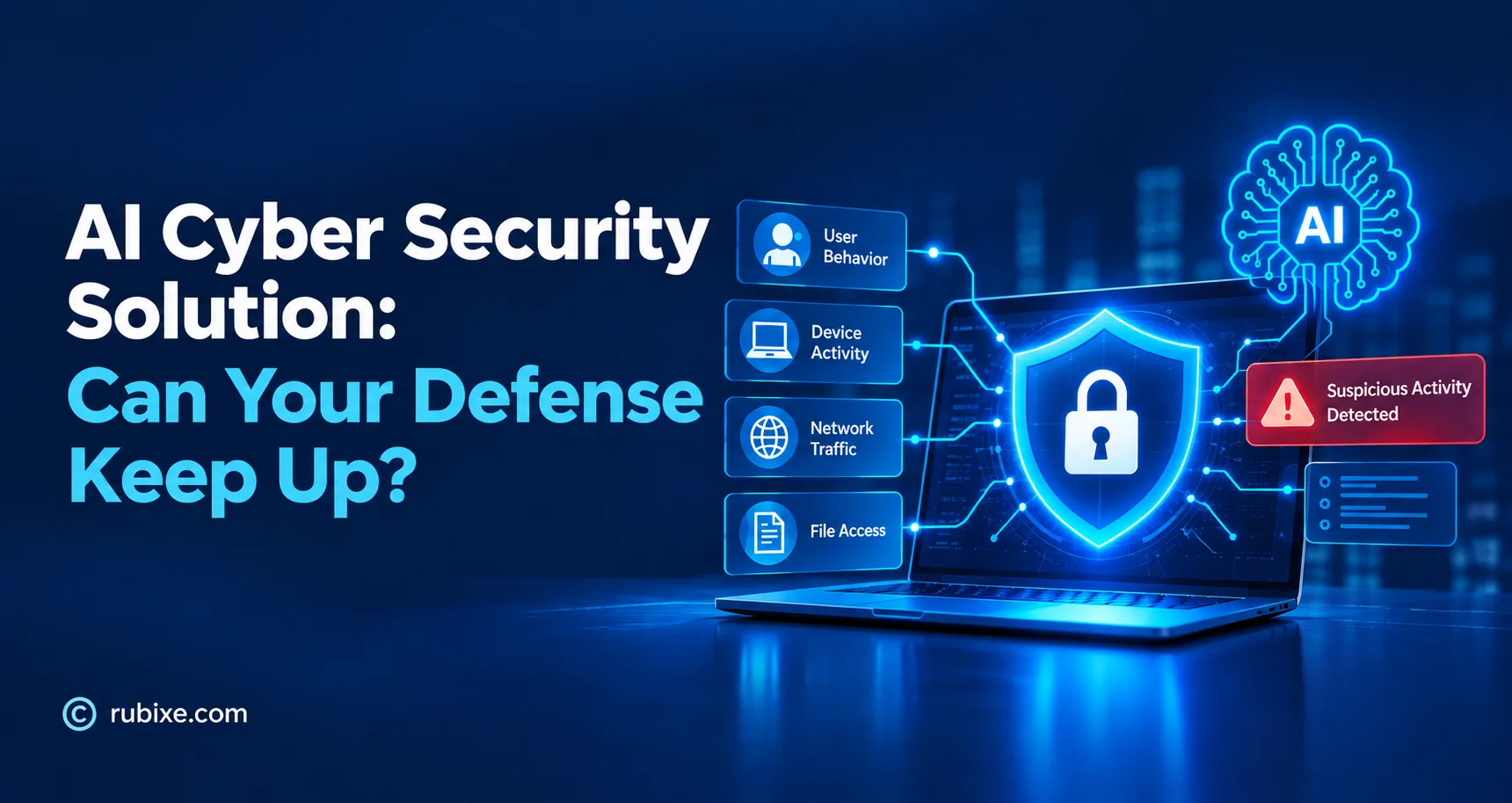
An AI-based security system looks beyond single alerts. It can connect unusual logins, file access, device activity, and network behavior to identify a larger threat.
What makes an AI Cyber security solution different?
The key difference is its ability to learn from patterns and behavior. AI can examine large volumes of security data and flag activity that appears unusual.
Imagine an employee suddenly downloading hundreds of files at midnight. Each action might look harmless alone. Together, they can signal account compromise. AI can connect those signals and raise a stronger warning.
Businesses can use this approach for threat detection, anomaly detection, fraud monitoring, endpoint security, and identity protection. For practical guidance, Rubixe’s AI cybersecurity resources can provide useful context around AI-led security strategies.
How can AI detect threats before they cause bigger damage?
AI can monitor activity continuously and identify changes from normal behavior. This helps security teams spot suspicious activity earlier.
For example, an AI system may notice an unusual login followed by privilege changes and large data transfers. That combination can trigger an investigation before the incident grows.
AI can also help rank alerts by risk. Your team can focus first on activity that has the strongest signs of compromise instead of treating every warning equally.
Can an AI Cyber Security Solution respond as well as detect?
Yes, when it is connected to the right security tools and workflows. AI can support actions such as isolating a device, blocking suspicious activity, or sending an alert for human review.
The goal is not to remove people from security operations. It is to reduce repetitive work and give analysts better signals. Human approval remains valuable for high-impact decisions.
What should businesses check before adopting AI security?
Start with your data, systems, and security goals. AI works best when it has useful data and clear processes to act on its findings.
Check whether your current tools can share data. Review access controls, logging, incident response, and data quality. Define what AI should monitor and which actions require human approval.
What does AI-based cybersecurity actually protect?
It can help protect identities, endpoints, networks, applications, and sensitive business data by detecting unusual activity and potential threats.
Can AI stop every cyberattack?
No. AI can improve detection and response, but no security technology can guarantee complete protection. Strong security still needs people, processes, controls, and regular testing.
Is AI security useful for smaller businesses?
Yes. Smaller teams can use AI to reduce alert overload and monitor activity without manually reviewing every event.
The next attack may not look like an obvious attack. It may look like normal activity with one unusual pattern. That is why businesses need security that can examine behavior, connect signals, and react quickly. An AI Cyber security solution can give security teams that extra layer of intelligence. The best time to assess that capability is before the next suspicious login becomes a serious incident.
























Sign in to leave a comment.