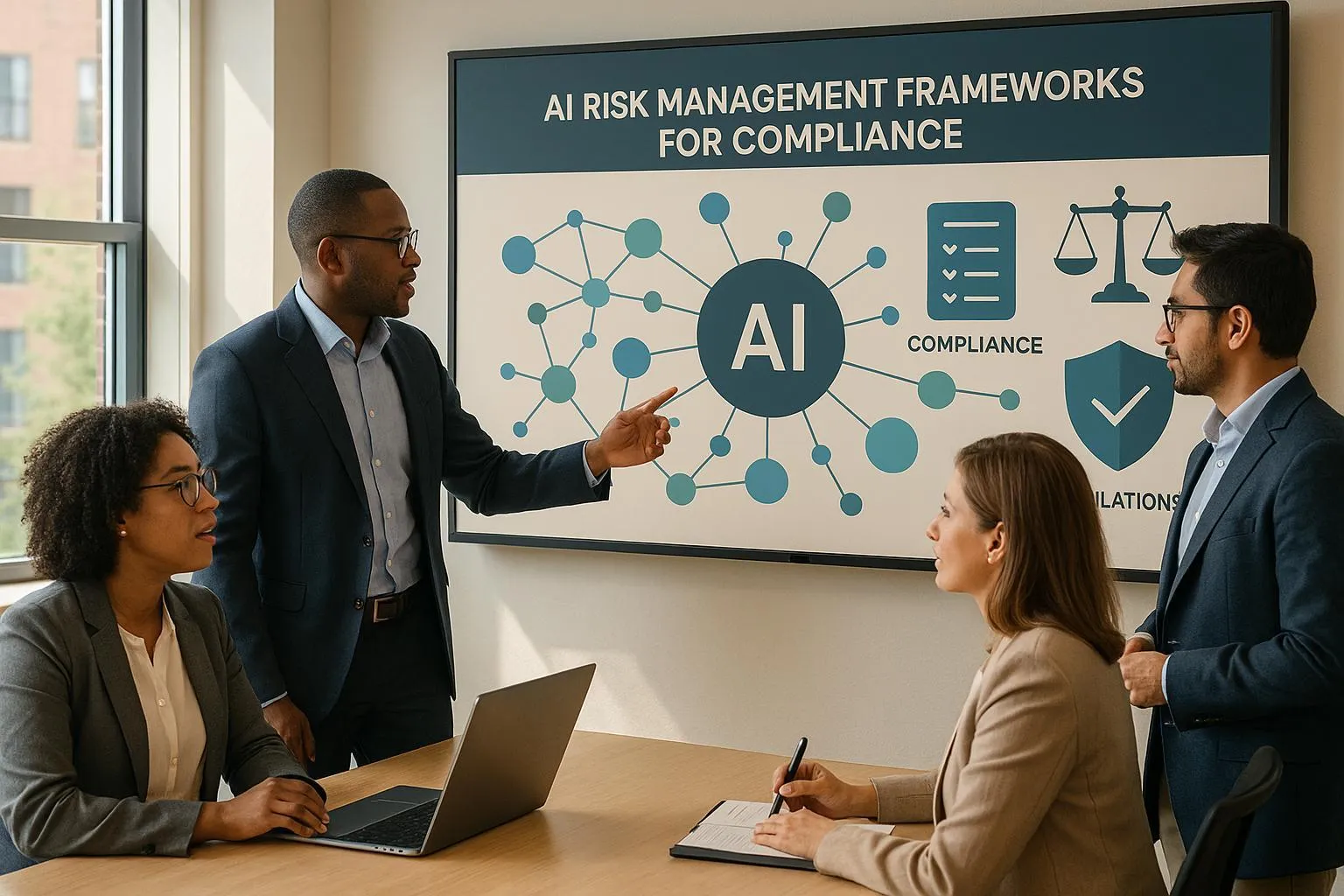

Artificial intelligence is becoming an essential part of modern business, helping organisations automate processes, analyse data, improve customer experiences, and support complex decisions. However, as AI adoption grows, so do concerns around privacy, security, bias, compliance, transparency, and operational reliability. This makes AI Risk Management an important part of building and scaling trustworthy AI systems.
Organisations need more than technical controls to manage these challenges. They need clear governance frameworks, effective oversight, documented processes, and ongoing assurance. This is where an experienced AI Governance Consulting Firm can help businesses establish practical controls while aligning AI initiatives with organisational objectives and regulatory expectations.
What Is AI Risk Management?
AI Risk Management is the structured process of identifying, assessing, controlling, and monitoring risks associated with AI systems throughout their lifecycle.
AI-related risks can occur at different stages, from data collection and model development to deployment and ongoing operation. Common areas include:
- Data privacy and security
- Model bias and fairness
- Inaccurate or unreliable outputs
- Cybersecurity and prompt injection risks
- Lack of human oversight
- Regulatory and compliance exposure
- Poor documentation and accountability
- Third-party AI and vendor risks
A strong risk management approach helps organisations understand where these risks exist and determine appropriate controls before problems become costly or difficult to address.
Why AI Governance Matters
AI governance provides the structure organisations need to manage AI responsibly. It defines who is accountable for AI systems, how decisions are documented, which controls are required, and how risks are monitored.
An AI Governance Consulting Firm can help organisations develop governance programmes tailored to their AI maturity and business environment. This can include AI inventories, risk classification, policies, approval workflows, human oversight processes, documentation standards, and monitoring frameworks.
Effective governance also helps connect technical teams, business leaders, legal departments, compliance professionals, and risk teams. Instead of treating AI risk as an isolated technical issue, governance creates a shared framework for responsible decision-making.

The Role of AI Assurance Services
Governance establishes the rules, while assurance helps organisations determine whether their AI systems and controls are working as intended.
AI Assurance Services can support activities such as model evaluation, AI risk assessments, control reviews, testing, documentation reviews, and ongoing monitoring. These services can provide organisations with greater visibility into how AI systems perform and whether identified risks are being appropriately addressed.
Assurance can be particularly valuable for organisations using AI in areas where reliability, transparency, security, and regulatory compliance are important. Independent assessments and structured testing can help identify weaknesses that may otherwise remain hidden until after deployment.
Building a Practical AI Risk Framework
A practical AI risk framework should cover the complete AI lifecycle rather than focusing only on the model itself.
1. Identify AI Systems
Organisations should maintain an up-to-date inventory of AI systems, models, applications, and relevant third-party tools. Knowing what AI is being used, where it operates, and who owns it is the foundation of effective risk management.
2. Assess and Classify Risk
Different AI use cases create different levels of risk. Organisations can classify systems based on factors such as the sensitivity of data, potential impact on individuals, level of automation, business criticality, and regulatory requirements.
3. Establish Controls
Controls should address areas such as data protection, access management, model testing, human oversight, security, documentation, and incident management.
4. Test Before and After Deployment
AI systems should be evaluated before deployment and monitored throughout their operational lifecycle. Testing can help identify issues such as unexpected outputs, bias, security vulnerabilities, and performance degradation.
5. Monitor and Improve
AI risk management is not a one-time exercise. Models, data, regulations, vendors, and business requirements can change over time. Continuous monitoring and periodic reviews help organisations keep their AI governance framework relevant.

How T3 Consultants Ltd Supports Responsible AI
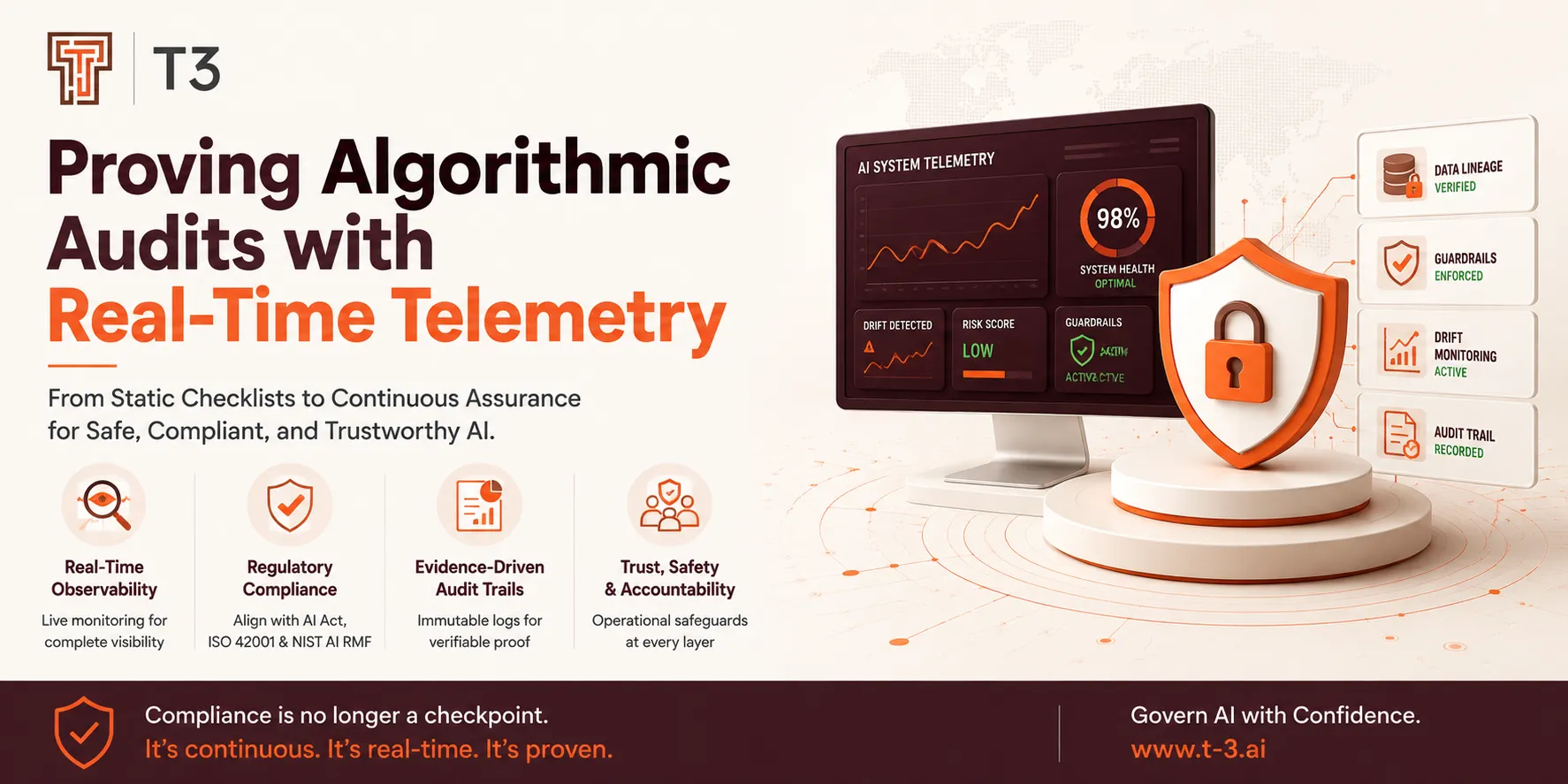
T3 Consultants Ltd helps organisations approach AI governance, risk, and assurance through practical frameworks designed around real-world business requirements.
Its approach can support organisations in areas including AI inventory, AI risk management, human oversight, data foundations, data security, model assurance and testing, and AI compliance.
By connecting governance requirements with practical implementation, organisations can create clearer accountability around AI while establishing processes for identifying and managing risks throughout the AI lifecycle.
For organisations expanding their use of AI, working with an experienced consulting partner can provide a structured way to move from experimentation towards responsible and controlled AI adoption.
Conclusion
As AI becomes more deeply integrated into business operations, managing its risks requires a combination of governance, technical controls, assurance, and continuous oversight. A structured AI Risk Management programme can help organisations understand their AI landscape, identify potential risks, establish appropriate controls, and maintain accountability.
With support from an experienced AI Governance Consulting Firm and appropriate AI Assurance Services, organisations can build stronger foundations for responsible AI adoption while preparing for evolving business and regulatory expectations.
FAQs
What is AI Risk Management?
AI Risk Management is the process of identifying, assessing, controlling, and monitoring risks associated with AI systems throughout their lifecycle.
Why is AI governance important for businesses?
AI governance establishes accountability, policies, controls, and oversight mechanisms that help organisations use AI in a structured and responsible way.
What does an AI Governance Consulting Firm do?
An AI Governance Consulting Firm can help organisations create AI inventories, risk frameworks, governance policies, oversight processes, documentation standards, and control frameworks.
What are AI Assurance Services?
AI Assurance Services involve structured assessment and testing of AI systems and related controls to help organisations evaluate areas such as reliability, security, compliance, transparency, and risk.
When should organisations start managing AI risks?
AI risk management should begin as early as possible, ideally during AI planning and development, and continue through deployment and ongoing operation.




















Sign in to leave a comment.