Air Compressor: Types, Uses, Benefits and How to Choose the Right One

An air compressor is an important machine used in many industries, workshops, factories, and commercial spaces. It takes in air, compresses it, and stores or supplies it at the required pressure. This compressed air can power tools, operate machines, support production, and improve work efficiency.
Choosing the right air compressor helps businesses save energy, reduce downtime, and maintain smooth operations. Before buying one, it is important to understand the different compressor types, their uses, and the needs of your workplace.
What Is an Air Compressor?
An air compressor is a machine that converts power from an electric motor or engine into energy stored in compressed air. This air can then be used to operate pneumatic tools, control equipment, clean surfaces, and perform many industrial tasks.
Air compressors are available in different sizes, capacities, and pressure ranges. Small models are suitable for workshops and light-duty tasks, while larger industrial systems support continuous production.
The right choice depends on air demand, operating pressure, working hours, air quality, and available space.
Types of Air Compressor Used in Industries
Understanding the types of compressor helps you select a suitable machine for your application. Each design offers different benefits.
1. Reciprocating Air Compressor
A reciprocating air compressor uses a piston that moves inside a cylinder to compress air. It is commonly used in workshops, garages, small factories, and applications that need high pressure or intermittent air supply.
A Reciprocating Air Compressor can be a suitable option for businesses that need a reliable machine for specific tasks. These compressors are available in different horsepower ratings to meet different air requirements.
2. Screw Air Compressor
A screw air compressor uses two rotating screw elements to compress air. It is often preferred in factories and production units that require a steady supply of compressed air for long operating hours.
Screw compressors can support continuous industrial operations. Variable-speed models can also adjust output according to changing air demand, helping reduce unnecessary energy use.
3. Oil-Free Air Compressor
An oil-free air compressor is designed to supply air without oil entering the compression chamber. It is useful for applications where air purity is important, such as pharmaceutical production, food processing, laboratories, and certain medical applications.
The required air quality should be checked against the relevant industry standards before selecting a model.
4. High-Pressure Air Compressor
A high-pressure air compressor supplies compressed air at pressures above those used in many standard industrial applications. It can support tasks such as PET bottle blowing, pressure testing, and specialised pneumatic operations.
Before purchasing one, check the required pressure, airflow, duty cycle, and safety requirements of the application.
Common Uses of an Air Compressor
The use of compressor varies across industries. Compressed air is a useful power source because it can operate different tools and machines.
Common applications include:
- Manufacturing: Operating pneumatic tools, production equipment, and automated systems.
- Automotive workshops: Powering impact wrenches, spray guns, and tyre inflation equipment.
- Food and pharmaceutical industries: Supporting approved processes that require controlled air quality.
- Packaging: Operating pneumatic controls and packaging machinery.
- PET bottle production: Supplying high-pressure air for bottle-blowing equipment.
- Cleaning: Removing dust and debris from suitable machinery and work areas.
- Construction: Powering pneumatic tools used for drilling, fastening, and other tasks.
The correct compressor depends on how much air each application needs and how often the equipment will run.
Key Benefits of Using an Air Compressor
An air compressor can improve productivity when selected and maintained correctly.
1. Better productivity: Compressed air powers tools and machines, helping workers complete tasks efficiently.
2. Flexible applications: One compressor system can support several suitable pneumatic tools and processes.
3. Reliable operation: A properly sized machine can provide a consistent air supply for daily work.
4. Improved automation: Compressed air can operate pneumatic cylinders, valves, and control systems.
5. Potential energy savings: Choosing the correct capacity, fixing air leaks, and maintaining equipment can reduce wasted energy.
6. Easier maintenance planning: Regular inspections help identify problems before they cause major downtime.
How to Choose the Right Air Compressor
Before buying an air compressor, review the following factors.
Airflow and Pressure
Check the airflow required by your tools and machines, usually measured in CFM or litres per minute. Confirm the operating pressure required by your equipment. Select a compressor that can meet both requirements without being unnecessarily oversized.
Operating Hours
Consider how long the compressor will run each day. A reciprocating model may suit intermittent demand, while a screw compressor may be more appropriate for many continuous-duty applications.
Air Quality
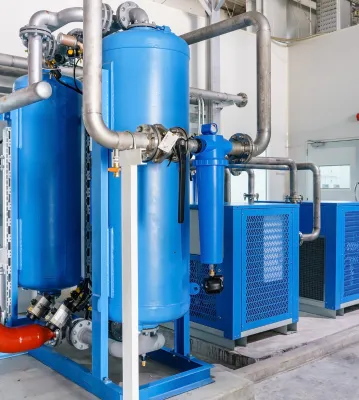
Some processes require clean, dry air with strict limits on oil, particles, or moisture. Depending on the application, you may need an oil-free compressor, compressed air dryer, and suitable filtration.
Energy Efficiency
The purchase price is only one part of the total cost. Electricity use, maintenance, spare parts, and downtime also affect long-term expenses. Choose a system that matches actual demand.
Installation and Maintenance
Allow enough space for ventilation, inspection, and servicing. Check the availability of technical support and spare parts before making a purchase.
Why Regular Air Compressor Maintenance Matters
Regular maintenance helps keep the system safe and efficient. Inspect filters, belts, hoses, electrical connections, and other components according to the manufacturer's instructions. Drain condensate from the receiver tank and check for air leaks.
Follow the recommended service schedule and investigate unusual noise, vibration, overheating, or pressure changes promptly. Air receivers and other pressure equipment must also be inspected and maintained according to applicable safety requirements.
Good maintenance can extend equipment life and reduce unexpected production interruptions.
Why Choose Air Care Equipment?
Air Care Equipment provides air compression solutions for a range of industrial and commercial requirements. When selecting equipment, businesses should consider the required airflow, pressure, air quality, working conditions, and maintenance needs.
Whether you need a reciprocating model for workshop use or a compressor for industrial production, matching the machine to the application is essential. Discussing your requirements with an experienced supplier can help you compare suitable options and plan an effective compressed air system.
Conclusion
An air compressor plays an important role in manufacturing, workshops, packaging, automotive services, and many other industries. Understanding the different types, applications, and operating requirements makes it easier to select the right equipment.
Compare airflow, pressure, duty cycle, air quality, energy consumption, and maintenance needs before making a decision. With suitable equipment and regular servicing, businesses can maintain reliable compressed air supply and support efficient daily operations.
Contact Air Care Equipment to discuss your compressed air requirements and identify a suitable solution for your application.





Sign in to leave a comment.