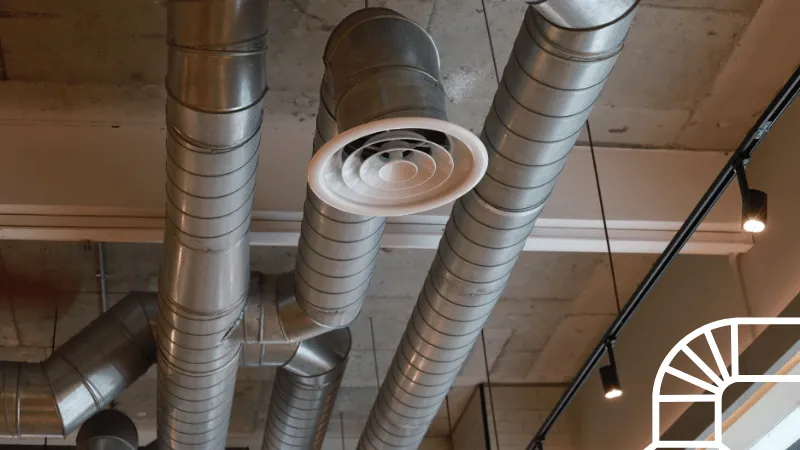

Your home's ductwork is responsible for carrying heated and cooled air from your HVAC equipment to different rooms. Because much of this system is hidden from view, problems with the ductwork can go unnoticed for years. Small gaps, separated joints, and damaged sections may allow conditioned air to escape before it reaches its intended destination.
For homeowners across Nova Scotia, professional Air Duct Sealing can be a practical way to address certain ductwork issues and support the overall performance of an HVAC system.
Why Does Ductwork Need to Be Sealed?
Duct systems are made up of multiple sections that are joined together throughout a home. Over time, these connections can loosen or develop gaps. Duct materials may also deteriorate with age or become damaged during renovations and other work around the property.
When air escapes through these areas, the HVAC system may not distribute conditioned air as effectively as intended. Instead of reaching the rooms where it is needed, some of the heated or cooled air can be lost in surrounding spaces.
Proper sealing helps maintain the intended path of airflow through the duct system.
How Can Duct Sealing Support HVAC Performance?
Your HVAC equipment is designed to move a specific amount of conditioned air through the home's distribution system. Leaks can interfere with that process by allowing air to escape along the way.
Addressing appropriate leakage points can help the duct system deliver air more effectively to the rooms connected to it. This may contribute to more balanced airflow and a more consistent indoor environment.
The effect will depend on the extent of existing leakage and the overall condition of the HVAC system.
Can Sealing Ducts Help Reduce Energy Waste?
Energy efficiency is one reason homeowners may investigate their ductwork. When conditioned air is lost through leaks, the HVAC system may need to operate longer to maintain the temperature selected on the thermostat.
Reducing unnecessary air loss can help the system use conditioned air more effectively. However, duct sealing should not be viewed as a guaranteed method of lowering energy bills. Factors such as insulation, equipment efficiency, thermostat settings, weather, and household usage also influence energy consumption.
A professional assessment can help determine whether duct leakage is actually contributing to inefficient operation.
Which Homes May Benefit From Duct Sealing?
Duct sealing may be worth considering in homes where the ductwork has visible damage or where ongoing airflow concerns have been noticed.
Older properties may have duct systems that have experienced years of normal wear. Homes that have undergone renovations may also have sections of ductwork that were moved, modified, or disconnected during construction.
Homeowners may want to investigate their ductwork if certain rooms consistently receive less airflow than others or if the HVAC system appears to be working harder than expected.
What Happens During a Professional Assessment?
Before any sealing work begins, the ductwork should be evaluated to identify potential problem areas. Depending on the home's HVAC configuration, this may include checking accessible connections, joints, seams, and visible sections of the duct system.
A professional Air Duct Sealing company can explain which areas appear to require attention and whether sealing is an appropriate solution.
Not every airflow problem is caused by duct leakage. Filters, insulation, vents, HVAC equipment, and other components can also affect system performance, so identifying the actual cause is an important part of the process.
Why Professional Duct Sealing Is Worth Considering
Professional Air Duct Sealing services provide homeowners with an opportunity to address ductwork concerns without automatically replacing the entire system.
Properly sealed ducts can help maintain the intended airflow path and reduce the amount of conditioned air escaping through suitable leakage points. This can be particularly useful when ductwork remains structurally sound but has problems at certain connections or sections.
The goal should be to improve the condition of the existing system where practical rather than recommending unnecessary replacements.
A Practical Step in HVAC Maintenance
Duct sealing can be considered alongside other HVAC maintenance tasks. Regular filter replacement, equipment inspections, and keeping vents unobstructed can all contribute to effective system operation.
For Nova Scotia homeowners, paying attention to the condition of the ductwork can be especially useful because heating systems are relied upon heavily during colder periods. Addressing potential duct leakage before extended seasonal use may help homeowners maintain a more effective air distribution system.
Maintain Your Ductwork With Breath Assured
With assistance from Breath Assured, homeowners can have their ductwork assessed to determine whether professional sealing may be suitable for their HVAC system.
Rather than assuming every duct system needs sealing, a proper assessment can help identify genuine concerns and determine the most appropriate course of action. This allows homeowners to focus their maintenance efforts on areas that can benefit from professional attention.
Conclusion
Ductwork is an important part of your home's HVAC system, and even small problems can affect how conditioned air moves throughout the property. Gaps, loose connections, and damaged sections may result in unnecessary air loss and less effective air distribution.
Professional Air Duct Sealing in Nova Scotia can be a worthwhile investment when genuine duct leakage is identified. By addressing appropriate problem areas and maintaining the rest of the HVAC system, homeowners can help keep their ductwork functioning as intended and support a comfortable indoor environment throughout the year.




















Sign in to leave a comment.