

When a shipment can't wait weeks for a truck or weeks more for an ocean vessel, air freight cargo shipping is the fastest option. It moves goods across continents in days, and often within a day or two on major routes. But speed comes with its own rules around pricing, packaging, paperwork, and compliance. This guide covers how air freight works so you can ship with confidence.

What Is Air Freight Cargo Shipping?
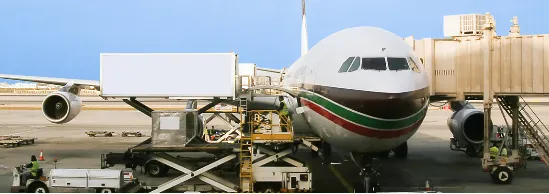
Air freight is the transport of goods by aircraft, either in the cargo hold of a passenger plane or on a dedicated freighter. Shipments can move domestically or internationally, and many providers offer door-to-door service that includes pickup, airport handling, flight, and final delivery.
Shippers can also use charter operators when a shipment is too large, urgent, or unusual for scheduled service.
When Air Freight Makes Sense
Air freight isn't the cheapest mode, so it tends to be used when the value of speed outweighs the cost. Typical cases include:
- Time-sensitive goods such as replacement parts, urgent restocks, and product launches
- High-value cargo like electronics, medical devices, and luxury items
- Perishables that lose value quickly, such as fresh food and flowers
- Emergency shipments where a delay would halt production or a project
- Long-distance moves where ocean transit time would be impractical
If your timeline is flexible, compare air against road freight or rail-intermodal before booking.
What Determines Air Freight Costs?
Air freight pricing is more nuanced than a simple per-kilo rate. The main factors are:
Chargeable weight. Carriers bill on whichever is greater: the actual weight or the dimensional (volumetric) weight. Because aircraft space is limited, bulky, lightweight cargo can cost more than you'd expect. Under the common IATA standard, volumetric weight is calculated as length × width × height in cubic centimetres divided by 6,000.
Route and distance. Major lanes with frequent flights usually offer better rates and more options than remote destinations.
Service level. Priority or express services cost more than standard or deferred options.
Cargo type. Dangerous goods, temperature-sensitive products, and oversized items need special handling and typically cost more.
Surcharges and fees. Fuel, security, handling, and customs charges can add to the base rate, so ask for a full breakdown.
Seasonality. Peak periods, such as the weeks before major holidays, tighten capacity and raise prices.
Documents You'll Typically Need
Paperwork errors are one of the most common causes of air freight delays. Exact requirements vary by country and commodity, but shipments commonly involve:
- Air waybill (AWB): The contract of carriage and receipt for your goods
- Commercial invoice: Describes the goods, their value, and the terms of sale
- Packing list: Itemizes contents, quantities, weights, and dimensions
- Export and import declarations: Required for customs clearance
- Special certificates or permits: Needed for regulated goods such as food, plants, or dangerous goods
Many countries update their regulations from time to time, so working with a provider that stays current on local requirements helps you avoid penalties and holdups.
Compliance and Security
Air cargo is subject to strict security screening, and customs clearance, licensing, and other requirements apply on top of that. Dangerous goods, including items like lithium batteries and certain chemicals, follow additional international rules covering classification, packaging, and labeling. Compliance is a shared responsibility between shipper and carrier, so declare your cargo accurately and ask early if you're unsure.
Tips for Shipping by Air
- Pack for the journey. Cargo is handled multiple times, so use sturdy packaging and secure pallets, and mark fragile or orientation-sensitive items clearly.
- Measure accurately. Wrong dimensions or weights can lead to billing adjustments.
- Plan around cut-off times. Airlines and handlers set deadlines for cargo acceptance, and missing one can mean a day's delay.
- Consider insurance. Carrier liability is limited, so optional cargo insurance is worth considering for valuable goods.
- Prepare for the last mile. Confirm delivery requirements at the destination, including dock access, delivery windows, and contact details.
- Book early when you can. Last-minute bookings limit your options and raise costs.
How to Choose an Air Freight Partner
Look for a provider that offers:
- Access to multiple carriers, including freighter and charter operators
- Domestic and international coverage across major global routes
- Experience with customs, compliance, and documentation
- Door-to-door options and optional cargo insurance
- Clear communication and tracking from booking to delivery
Air Freight with Amplify Logistics
Amplify Logistics coordinates domestic and international air freight shipping for time-sensitive cargo. The team works with carefully selected carriers and local and international freighter and charter operators, and handles compliance and paperwork so your shipment moves smoothly from booking to delivery.
For cargo that needs more than one mode, Amplify also offers cross-border shipping, temperature-controlled transport, and warehousing.

































Sign in to leave a comment.