

Maintaining a clean and healthy smile involves more than brushing the teeth twice each day. Surface stains can gradually build up because of tea, coffee, red wine, tobacco, strongly coloured foods, and other lifestyle factors. These deposits can make teeth appear dull even when an individual follows a consistent oral hygiene routine. Airflow stain removal is a professional cleaning technique that can help remove certain surface stains and deposits while providing a fresh, polished feeling. Understanding how the treatment works and what it can achieve can help individuals decide whether it is suitable for their dental care needs.
Understanding Airflow Stain Removal
Airflow cleaning uses a controlled combination of air, water, and fine cleaning powder to remove deposits from tooth surfaces. The technique is designed to reach areas where conventional brushing may not be sufficient. It can be particularly useful for managing surface staining and plaque around the teeth and gumline.
How Airflow Cleaning Works
During treatment, the cleaning spray is directed towards the tooth surfaces. The combination of air, water, and powder helps disrupt and remove surface deposits. The dental professional controls the application according to the area being treated and the individual's needs. The process can provide a thorough cleaning while helping the teeth feel smoother afterwards.
Surface Stains and Deposits
Certain stains sit primarily on the outer surface of the teeth. Tea, coffee, tobacco, red wine, and coloured foods can contribute to these deposits over time. Airflow treatment can help remove many types of external staining, although it cannot necessarily change the natural internal colour of the teeth. A dental assessment can determine whether the staining is primarily surface based.
Potential Benefits of Airflow Cleaning
Airflow treatment can provide several benefits as part of professional dental hygiene care. It can help remove surface deposits that may be difficult to manage with everyday brushing while leaving the teeth feeling cleaner. The treatment can also complement routine examinations and preventive care.
Removing Surface Staining
One of the main advantages is the ability to reduce certain types of external staining. Removing these deposits can make the teeth appear cleaner and brighter without changing their natural colour. The degree of improvement depends on the amount and type of staining present.
Reaching Difficult Areas
The controlled spray can reach areas around the teeth that may be difficult to clean with a toothbrush alone. This can be useful around orthodontic appliances, certain restorations, and other areas where plaque and deposits can accumulate. Professional cleaning can therefore complement daily brushing and interdental care.
Supporting a Fresh Feeling
After professional cleaning, many individuals notice that their teeth feel smoother and their mouth feels fresher. Removing plaque and staining from the tooth surfaces can contribute to this clean sensation. However, professional cleaning should be viewed as part of ongoing oral hygiene rather than a replacement for daily care.
Why Professional Stain Removal Matters
Surface staining is often cosmetic, but plaque and calculus accumulation can also affect gum health. Professional hygiene treatment can help remove deposits that remain despite regular home cleaning. Maintaining clean teeth and healthy gums can contribute to a more comfortable and healthier mouth.
Plaque Control
Plaque is a soft bacterial film that forms naturally on the teeth. If it is not removed effectively, it can contribute to tooth decay and gum inflammation. Regular brushing and interdental cleaning are essential for controlling plaque, while professional cleaning can address deposits that are difficult to remove at home.
Calculus Removal
Plaque can harden into calculus when it remains on the teeth. Calculus cannot usually be removed effectively through ordinary brushing and requires professional cleaning. Depending on the amount and location of calculus, the dental hygienist may use appropriate techniques alongside airflow cleaning to provide a comprehensive hygiene treatment.
What to Expect During Airflow Treatment
The exact process can vary depending on the individual's oral health and the level of staining or deposits present. A dental professional will generally assess the mouth before cleaning and determine which techniques are appropriate.
Initial Assessment
Before treatment, the dental professional can examine the teeth and gums to identify areas requiring attention. This assessment may reveal plaque accumulation, calculus, staining, gum inflammation, or other concerns. If there are underlying dental problems, these can be discussed before or alongside hygiene treatment.
The Cleaning Process
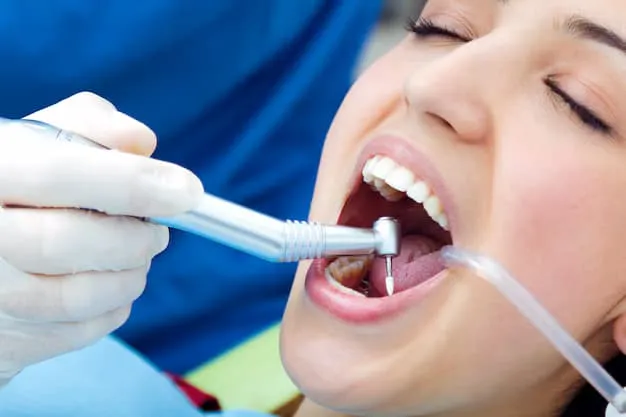
During airflow treatment, the dental professional directs the controlled spray across selected tooth surfaces. Patients may experience sensations from the water, air, and powder during the procedure. The treatment is adjusted according to the individual's needs and the areas requiring stain or deposit removal.
Finishing the Appointment
Once the main deposits and stains have been addressed, the dental professional may complete additional cleaning or polishing if appropriate. The teeth can then be checked to ensure that the treatment has achieved the intended cleaning result. Personalised advice may also be provided to help maintain the outcome.
Is Airflow Cleaning Comfortable?
Many individuals find airflow cleaning comfortable, although experiences can vary. The sensation of the spray may feel unusual at first, particularly around sensitive teeth or gums. A dental professional can adjust the technique where appropriate and discuss any sensitivity or concerns before treatment begins.
Managing Sensitivity
Individuals with sensitive teeth should mention this before treatment. Sensitivity can sometimes be associated with exposed dentine, gum recession, worn enamel, or other dental conditions. Identifying the cause of sensitivity can help the dental professional choose appropriate cleaning techniques and provide relevant advice.
Communicating During Treatment
Patients should feel comfortable communicating if they experience discomfort during the appointment. Dental professionals can often modify the treatment approach according to individual needs. Clear communication can help make professional hygiene treatment more manageable and ensure that concerns are addressed promptly.
Airflow Cleaning and Different Types of Staining
Not every type of tooth discolouration responds in the same way to professional airflow cleaning. Understanding the difference between external and internal staining can help individuals develop realistic expectations about the likely result.
External Staining
External stains occur on the outside of the tooth and are often associated with food, drink, tobacco, and plaque accumulation. These stains may respond well to professional cleaning. Removing the deposits can restore a cleaner appearance without changing the underlying shade of the natural tooth.
Internal Discolouration
Internal discolouration develops within the tooth structure and may have causes such as ageing, injury, certain medications, or changes in tooth development. Airflow cleaning cannot necessarily remove this type of colour change. Depending on the cause, professional whitening or restorative treatment may be discussed as an alternative.
Airflow Cleaning and Orthodontic Care
Individuals with orthodontic appliances may find professional cleaning particularly useful. Brackets, wires, and other appliances can create additional areas where plaque and staining accumulate. Appropriate professional hygiene care can help maintain cleaner teeth throughout orthodontic treatment.
Cleaning Around Appliances
The airflow technique can assist with cleaning selected areas around orthodontic components. However, the dental professional will determine which techniques are appropriate for the appliance being used. Patients should also receive guidance on how to clean effectively at home while orthodontic treatment is ongoing.
Supporting Gum Health
Orthodontic appliances can make plaque control more challenging. If plaque remains around the gumline, inflammation may develop. Regular professional hygiene care alongside careful daily brushing and interdental cleaning can help support healthier gums throughout the alignment process.
Maintaining Results After Treatment
Professional stain removal can improve the cleanliness and appearance of the teeth, but new deposits can develop over time. Maintaining good oral hygiene and making sensible lifestyle choices can help extend the benefits of professional cleaning.
Daily Brushing
Brushing twice daily with fluoride toothpaste is an important part of maintaining clean teeth. Individuals should use an appropriate technique and spend enough time cleaning all tooth surfaces. A dental professional can provide personalised guidance if certain areas are consistently difficult to clean.
Cleaning Between Teeth
Interdental cleaning can help remove plaque from areas that toothbrush bristles cannot easily reach. Floss, interdental brushes, or other suitable methods may be recommended according to individual needs. Consistent interdental care can contribute to healthier gums and reduce the accumulation of deposits.
Managing Staining Habits
Frequent consumption of tea, coffee, red wine, and strongly coloured foods can contribute to surface staining. Tobacco can also cause noticeable discolouration. Moderating these factors where possible can help maintain a cleaner looking smile between professional hygiene appointments.
How Often Is Airflow Treatment Needed?
There is no single schedule that suits everyone. The frequency of professional cleaning depends on factors such as oral hygiene, gum health, staining, calculus formation, dietary habits, tobacco use, orthodontic treatment, and individual risk.
Personalised Hygiene Plans
A dental hygienist can assess the individual's oral health and recommend an appropriate appointment schedule. Some people may benefit from routine hygiene appointments at regular intervals, while others may need more frequent professional care because of increased plaque or calculus accumulation.
Combining Airflow With Routine Care
Airflow cleaning can form part of a broader hygiene appointment rather than being viewed as a standalone cosmetic procedure. Depending on individual needs, treatment may be combined with other professional cleaning techniques. Regular dental examinations should also continue to monitor the health of the teeth and gums.
Final Thoughts
Airflow cleaning can provide an effective way to address many types of surface staining while supporting professional dental hygiene. By combining controlled air, water, and fine cleaning powder, the technique can help remove deposits that may be difficult to manage through everyday brushing alone. Maintaining good home care and attending regular professional appointments can help preserve the results. Individuals considering Airflow stain removal can discuss their staining concerns and hygiene requirements with Munro Hall Dental Clinic Weybridge to determine whether the treatment is suitable for their smile.




















Sign in to leave a comment.