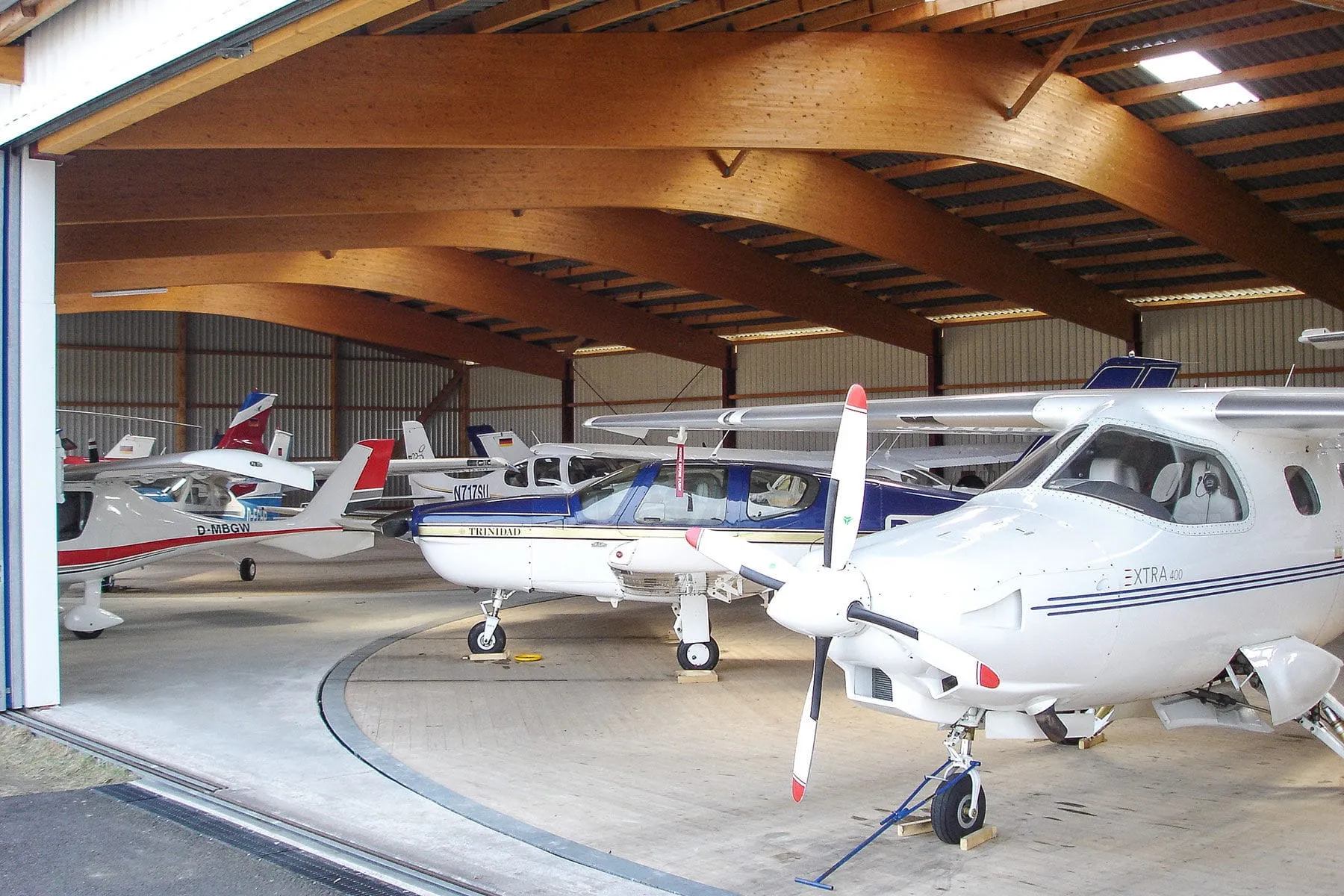

Protecting your plane means building a secure, lasting home for it. This guide covers airplane hangar design types, costs, key features, and layouts. Every pilot remembers the first time they brought their plane home. An aircraft represents hard-earned freedom and a deep passion for the skies. Leaving it exposed to harsh weather can feel incredibly stressful.
That is why choosing the right shelter is a deeply personal decision that goes far beyond simple metal and concrete.
Choosing Your Layout: Core Structural Types
The journey begins with choosing a layout that fits specific aviation needs. Different structures offer unique advantages depending on fleet size and storage goals.
- T-Hangars: These constructions are interlocking and stacked. For single-engine piston aircraft, they are the most popular option. They provide a very affordable method of protecting individual aircraft while also saving airport space.
- Box Hangars: Also referred to as executive spaces, these square structures provide a lot of open space. These buildings comfortably accommodate larger turboprops or twins, or even more than one plane at once.
As far as aircraft hangars are concerned, matching the building to the aircraft ensures that it won’t become outdated for the owner too soon.
Essential Features of a Modern Hangar
A great shelter does more than just block the wind. It creates a controlled environment where a pilot can safely maintain their aircraft.
Advanced Door Systems
The door is the most critical mechanical part of the build. Hydraulic doors open quickly and provide a helpful outdoor canopy when raised. Bi-fold doors fold upward and are highly reliable in heavy snow. Horizontal sliding doors are simple, durable, and require very little mechanical maintenance.
Flooring and Climate Control
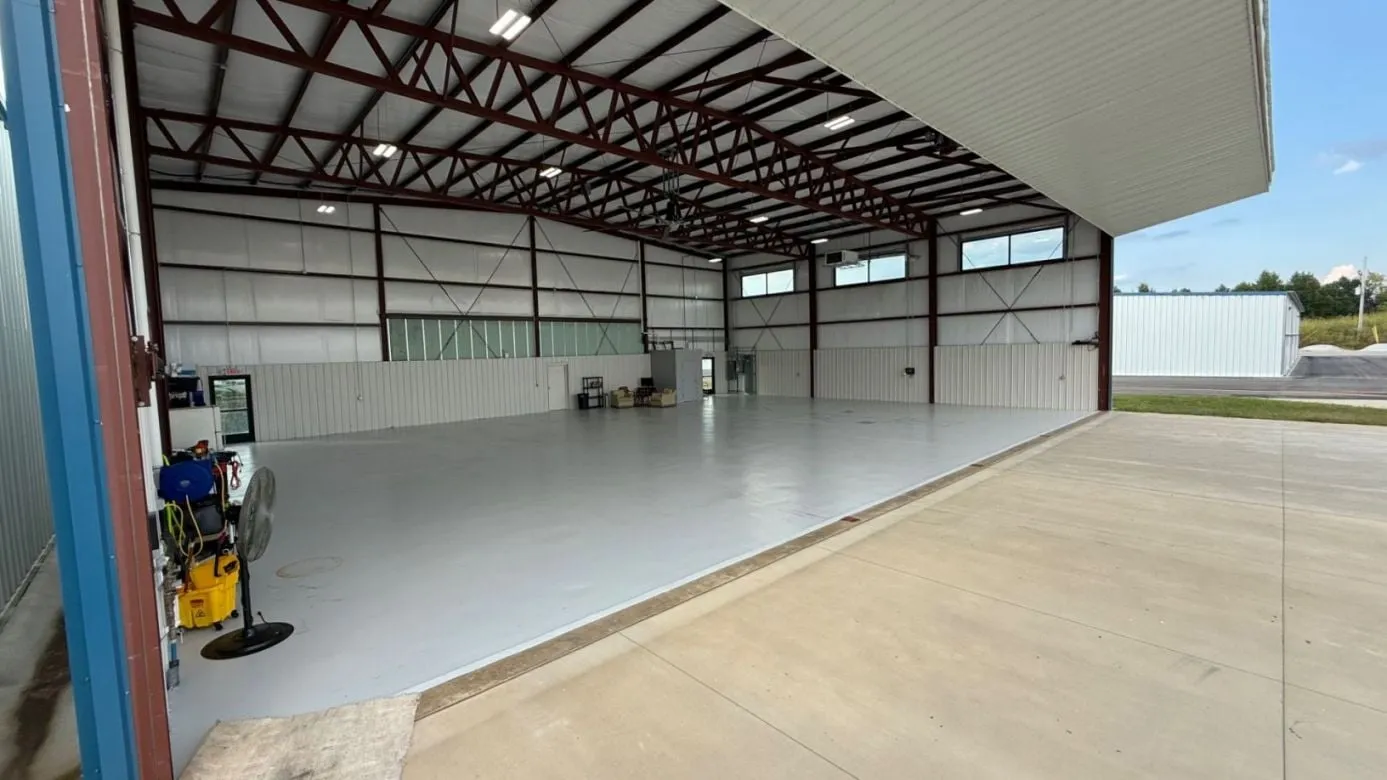
Unprotected concrete absorbs oil spills and creates fine dust that can harm delicate avionics. Installing a bright, chemical-resistant epoxy floor protects the foundation and reflects light upward to make maintenance work much easier. Additionally, proper insulation and dedicated heating systems protect engines from cold starts and stop moisture buildup .
Cost Breakdown: Planning Your Budget
Building a home for a plane requires a clear financial roadmap. Total expenses vary based on customization, size, and airport location.
| Cost Component | Budget Expectation | Key Influencing Factors
|
| Steel Structure | Lower upfront cost | Pre-engineered kits are cheaper than custom architectural designs.
|
| Site Prep & Foundation | Moderate to High | Leveling ground, clearing soil, and pouring thick concrete.
|
| Doors & Utilities | Highly Variable | Power needs, specialized lighting, and insulation thickness. |
Since many airports require a long-term ground lease, prospective owners must also take land rights into account. Many pilots would rather look at existing aircraft hangar properties or high-end hangars for sale to completely avoid construction delays because building from scratch requires a lot of time and permits.
Best Practices for Spatial Layout
A smart internal layout keeps the workspace safe and efficient. Always design with clear workflow zones in mind.
Keep primary maintenance tools, workbenches, and spare parts organized along the back wall. This keeps the main floor completely clear for safe aircraft towing. Dedicate a specific, well-ventilated corner for chemical and oil storage away from electrical panels. If space allows, adding a small pilot lounge or restroom turns a simple airplane hangar from a cold storage unit into a truly welcoming personal sanctuary.
Finding Your Perfect Aviation Space
Building a custom structure from the ground up gives complete creative control, but it demands patience and navigating local zoning laws. If a pilot wants to skip the stress of construction, buying a pre-existing structure is an excellent alternative. For those looking to browse verified hangars for sale, a great option is to explore specialized online marketplaces, such as Hangar Trader, to find the ideal setup quickly.
FAQs:
Q1: Which design of the airplane hangar will prove to be cost-effective?
A1: The pre-engineered steel T hangar will provide an effective design, as it has been optimized and assembled in the minimum time period.
Q2: What must be the size of the aircraft hangar door opening?
A2: It is advisable to make the door opening width at least 10 feet more than the wingspan of the aircraft.
Q3: Is a building permit needed for a private aircraft hangar?
A3: Yes, a building permit is required to meet the zoning laws of the local government and federal aviation authorities.
Q4: What is the suitable floor material for aircraft hangars?
A4: Industrial-grade epoxy flooring is considered to be the most suitable flooring material as it is resistant to chemicals and easy to clean.
Q5: Where can I find established hangars for sale or rent?
A5: Aviation enthusiasts can browse a wide variety of public listings on dedicated aviation listing platforms, such as Hangar Trader.
Q6: What factors dictate the overall value of a residential hangar airplane space?
A6: The value depends heavily on runway access rights, the structural material used, door dimensions, and proximity to major aviation hubs.















Sign in to leave a comment.