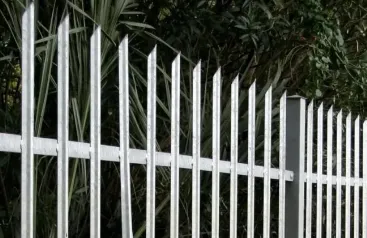


Planning an aluminum fence installation involves more than selecting a color and fence style. The overall quality, appearance, and functionality of the finished fence depend on choosing the right combination of panels, posts, rails, gates, hardware, and accessories.
Understanding these components before starting your project can help you make informed decisions and create a fence that works well with your property's layout and intended use.
What Components Are Needed for Aluminum Fence Installation?
A typical aluminum fencing system can include several different components. While the exact configuration depends on the manufacturer and fence design, common components include:
- Fence panels or sections
- Posts
- Horizontal rails
- Pickets
- Gates
- Hinges
- Latches
- Post caps
- Mounting hardware
- Brackets and connectors
Each component has a specific purpose, and they need to work together as part of the complete fencing system.
Choosing the Right Aluminum Fence Style
The first step is determining what you want the fence to accomplish.
For example, a homeowner may want an aluminum fence primarily for:
- Defining property boundaries
- Improving curb appeal
- Enclosing a yard
- Protecting a garden
- Creating a pool enclosure
- Providing controlled access
- Complementing an existing landscape
Once the purpose is clear, it becomes easier to select a suitable fence design.
Traditional picket fencing can provide an open appearance, while decorative designs can create a more formal look.
Understanding Fence Height
Fence height is another important consideration during aluminum fence installation.
Different areas of a property may have different functional requirements. A front-yard fence may be selected primarily for appearance, while a backyard or pool enclosure may have different considerations.
When choosing height, consider:
- Intended purpose
- Property layout
- Local requirements
- Gate configuration
- Visibility
- Landscaping
- Desired appearance
It's important to verify applicable local requirements before ordering materials.
Selecting the Right Posts
Posts provide the structural framework of an aluminum fence.
Common post locations include:
- End posts
- Corner posts
- Line posts
- Gate posts
Gate posts may require particular consideration because gates introduce additional weight and movement to the fencing system.
Post dimensions and installation requirements should be compatible with the selected fence system. Mixing incompatible components can create installation and performance problems.
Fence Rails and Pickets
Rails connect the fence sections and provide horizontal support, while pickets create the vertical appearance of the fence.
The spacing between pickets can significantly influence the look of the finished installation.
Closer spacing can create a more enclosed visual appearance, while wider spacing can provide a more open design.
When selecting a style, think about both aesthetics and the practical purpose of the fence.
Choosing an Aluminum Fence Gate
The gate is one of the most frequently used parts of many fencing systems, so it deserves careful planning.
Depending on the property, you may need a:
- Pedestrian gate
- Single swing gate
- Double gate
- Driveway gate
- Decorative entry gate
Consider how the gate will be used before choosing its size and location.
For example, a pedestrian gate may be suitable for everyday foot traffic, while a wider opening may be necessary for vehicles or lawn equipment.
Gate Hardware Matters
A gate is only as useful as its hardware.
Common gate hardware includes:
- Hinges
- Latches
- Locks
- Drop rods for certain double-gate configurations
- Mounting brackets
The hardware should be appropriate for the gate's size, weight, and intended use.
Proper adjustment is also important so the gate opens, closes, and latches correctly.
Choosing a Color and Finish
Aluminum fencing is available in different colors and finishes depending on the product line.
A common approach is to select a finish that complements:
- Exterior walls
- Roofing
- Landscaping
- Driveways
- Outdoor structures
- Existing gates
A coordinated fence can become an architectural element of the property rather than simply a boundary.
When comparing products, homeowners should also ask about the manufacturer's finish and warranty information.
Consider the Property's Terrain
The components selected for an aluminum fence installation should work with the property's terrain.
A flat property may allow for a relatively straightforward layout. A property with slopes or elevation changes may require additional planning.
Before purchasing materials, identify:
- Changes in elevation
- Retaining walls
- Steps
- Driveways
- Drainage areas
- Existing landscaping
This helps determine how the fence sections should be positioned across the property.
Aluminum Fence Installation Around Landscaping
Trees, shrubs, flower beds, and other landscaping features can affect fence placement.
Before installation, decide whether the fence should:
- Follow the property boundary closely
- Avoid existing trees
- Separate garden areas
- Run behind landscaping
- Include gates for garden access
Large trees can be particularly important because their roots and branches may interfere with digging or fence placement.
Planning these areas in advance can prevent unnecessary changes during installation.
Don't Forget Post Caps
Post caps may seem like a small detail, but they contribute to the finished appearance of an aluminum fence.
Depending on the fencing system, homeowners may be able to choose between different cap styles.
Options can range from simple flat caps to more decorative designs.
The best choice generally depends on the overall style of the fence and property.
How to Make Sure Components Match
One of the most important considerations when purchasing fencing materials is compatibility.
Posts, panels, gates, rails, and hardware should be designed to work together.
Before























Sign in to leave a comment.