

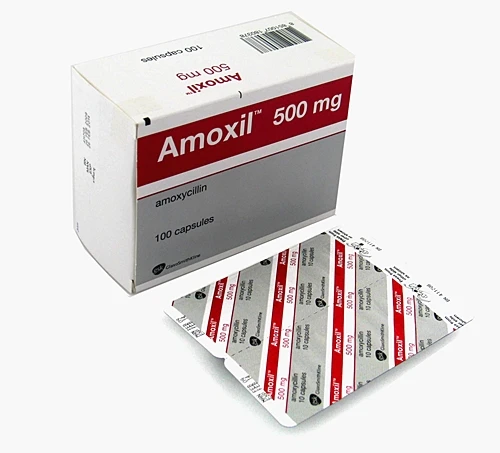
Amoxicillin is commonly used for certain bacterial infections, but not every patient experiences immediate relief. Some people begin feeling better within a day or two, while others continue experiencing symptoms. When improvement is slower than expected, it is important to understand the possible reasons rather than making changes to treatment independently.
Understanding the Expected Response
Amoxicillin is a penicillin-type antibiotic. It interferes with bacterial cell-wall formation and helps control bacteria that are susceptible to the medicine.
Although the medicine begins acting after absorption, the body needs additional time to reduce inflammation and repair affected tissues.
For many infections, noticeable improvement may begin within approximately 24 to 72 hours. The exact timeline depends on the type of infection and the patient's circumstances.
The guide to how long amoxicillin takes to work explains this process in more detail.
The Infection May Be Viral
One possible reason for a lack of improvement is that the illness is caused by a virus rather than bacteria.
Colds, influenza, and many uncomplicated sore throats do not respond to antibiotics. Taking amoxicillin will not directly treat a viral infection.
A healthcare professional may reassess the symptoms and determine whether antibiotics are needed at all.
The Bacteria May Not Be Susceptible
Amoxicillin does not work against every type of bacteria. Some organisms have natural resistance or have developed mechanisms that reduce the medicine's effectiveness.
If the suspected bacteria are not susceptible, the expected improvement may not occur. A clinician may consider examination findings, laboratory testing, and local resistance patterns when deciding what to do next.
The Infection May Need Additional Treatment
Some infections require more than an antibiotic. For example, a dental abscess may need dental treatment or drainage to address the source of the problem.
Similarly, fluid behind the eardrum may remain after an ear infection begins improving. This can cause temporary pressure or muffled hearing even when the initial pain is settling.
Patients should not assume that every lingering symptom means the antibiotic has failed.
The Treatment Schedule May Be Difficult to Follow
Missed doses, vomiting after taking medicine, or difficulty measuring a liquid formulation can affect how treatment is taken.
If any of these issues occur, patients should discuss them with a pharmacist or healthcare professional. They should not double doses or change the schedule without guidance.
When Should You Contact Your Healthcare Professional?
If there is no noticeable improvement after approximately 48 to 72 hours, or symptoms are worsening, contact the person managing the treatment.
A reassessment may be needed to confirm the diagnosis, evaluate the infection, or consider another approach.
Seek urgent medical attention for breathing difficulty, facial or throat swelling, fainting, severe allergic symptoms, or severe or bloody diarrhoea.
Why You Should Not Switch Antibiotics Yourself
Different antibiotics target different bacteria. Replacing amoxicillin with another medicine without a proper assessment may lead to ineffective treatment or unnecessary exposure.
A clinician needs to consider the suspected organism, allergy history, other medicines, and medical conditions before making a change.
Related Educational Resources
Patients can learn more about specific infections through the guides on amoxicillin for strep throat and amoxicillin for ear infections.
For the general recovery timeline, visit how long amoxicillin takes to work.
Final Thoughts
A slower response does not always mean that treatment has failed. The illness may be viral, the bacteria may not be susceptible, or the affected tissue may need more time to recover.
Following professional instructions and seeking reassessment when symptoms do not improve are important parts of responsible antibiotic use. More educational medicine information is available at Nuheals.
















Sign in to leave a comment.