

Digital marketing has become increasingly visual. People scroll through social feeds, browse websites, watch short videos, and consume information across multiple devices throughout the day. With so much content competing for attention, brands need more than a strong message. They need a way to make that message noticeable, understandable, and memorable.
This is where animated content can make a difference. From short social media clips to animated explainers and branded visuals, animation gives marketers another way to communicate ideas without relying entirely on static images or long blocks of text.
Why Animation Works in Digital Marketing
Animation naturally attracts attention because movement stands out in environments where users are constantly scrolling. A simple animated element can encourage someone to pause and discover what a brand is trying to communicate.
More importantly, animation can make information easier to understand. Complex products, technical processes, statistics, or abstract concepts can be difficult to explain through text alone. Animation allows marketers to turn those ideas into visual stories that audiences can follow more easily.
For example, a software company could use animation to demonstrate how its platform works. Instead of describing every feature in several paragraphs, a short animated video could show the customer journey from beginning to end.
Animation Makes Brand Stories More Memorable
Good marketing is not only about getting attention. It is also about being remembered.
Animated content gives brands greater creative freedom when developing visual identities and storytelling styles. Characters, colors, transitions, illustrations, typography, and movement can all work together to create a recognizable experience.
A consistent animation style can also reinforce brand identity across different platforms. The same visual language can appear in social media videos, website sections, advertisements, presentations, and educational content.
This consistency helps audiences associate certain visual elements with a particular brand. Over time, animation can become more than decoration; it can become part of the brand's communication system.
Short-Form Animation Fits Modern Attention Habits
The popularity of short-form content has changed how brands communicate online. Platforms increasingly favor quick, engaging videos that deliver value within a limited amount of time.
Animation fits this format particularly well. A 15- to 30-second animated video can introduce an idea, highlight a problem, explain a benefit, or present a product feature without requiring a large time commitment from the viewer.
The key is to avoid trying to communicate everything at once. A short animation should usually focus on one central message. Strong visuals combined with concise wording can make the content easier to consume and share.
Marketers can also adapt the same concept into different formats. A longer animated explainer could become several short social clips, while individual scenes could be transformed into GIFs or visual posts.
Animation Can Simplify Complex Ideas
One of the biggest advantages of animation is its ability to visualize something that may not be easy to photograph or demonstrate in real life.
Financial services, software platforms, cybersecurity solutions, healthcare technology, and other specialized industries often deal with complicated concepts. Animation can break these subjects into smaller visual steps.
For instance, instead of explaining a complicated online security process with technical terminology, an animated sequence could visualize how information moves through different security layers.
This approach does not necessarily replace written content. Instead, it complements it. A website can combine an animated video with detailed copy, helping visitors understand the basic idea before exploring more information.
Animation Supports Social Media Marketing
Social media is one of the most natural environments for animated content. Motion can help posts compete with photographs, text updates, advertisements, and other videos appearing in a user's feed.
Animated content can also be designed around different social media objectives. Some videos may focus on education, while others can introduce a new product, answer common questions, showcase statistics, or tell a short brand story.
Another advantage is flexibility. Animation can be resized and reformatted for different platforms, allowing marketers to create variations for vertical, square, and landscape placements.
However, effective social animation should still prioritize the audience. A visually impressive video will not necessarily perform well if it does not provide a useful message or clear reason to keep watching.
Animation Can Strengthen Content Marketing
Content marketing depends heavily on providing useful information. Blog posts, guides, tutorials, and educational resources can attract potential customers, but visual content can make those resources more engaging.
An animated video can accompany a blog article and provide a quick introduction to the topic. Marketers can also use animation to summarize important sections of a longer guide.
This creates multiple ways for audiences to consume the same information. Someone who prefers reading can explore the article, while someone who prefers visual learning can watch the animation.
This combination can also help brands build a more diverse content library without changing the core message.
The Role of Animation in Conversion-Focused Campaigns
Animation can also support different stages of the customer journey. At the awareness stage, animated social videos can introduce a problem or trend. During consideration, an explainer can demonstrate how a product or service works. Closer to conversion, a short animation can highlight key benefits or explain the next step.
The important point is that animation should have a purpose. Adding movement simply because it looks interesting can distract from the message.
A successful animated marketing asset usually begins with a clear objective. Marketers should know whether they want to generate awareness, explain a product, educate an audience, increase engagement, or encourage a specific action.
Combining Animation With Other Digital Strategies
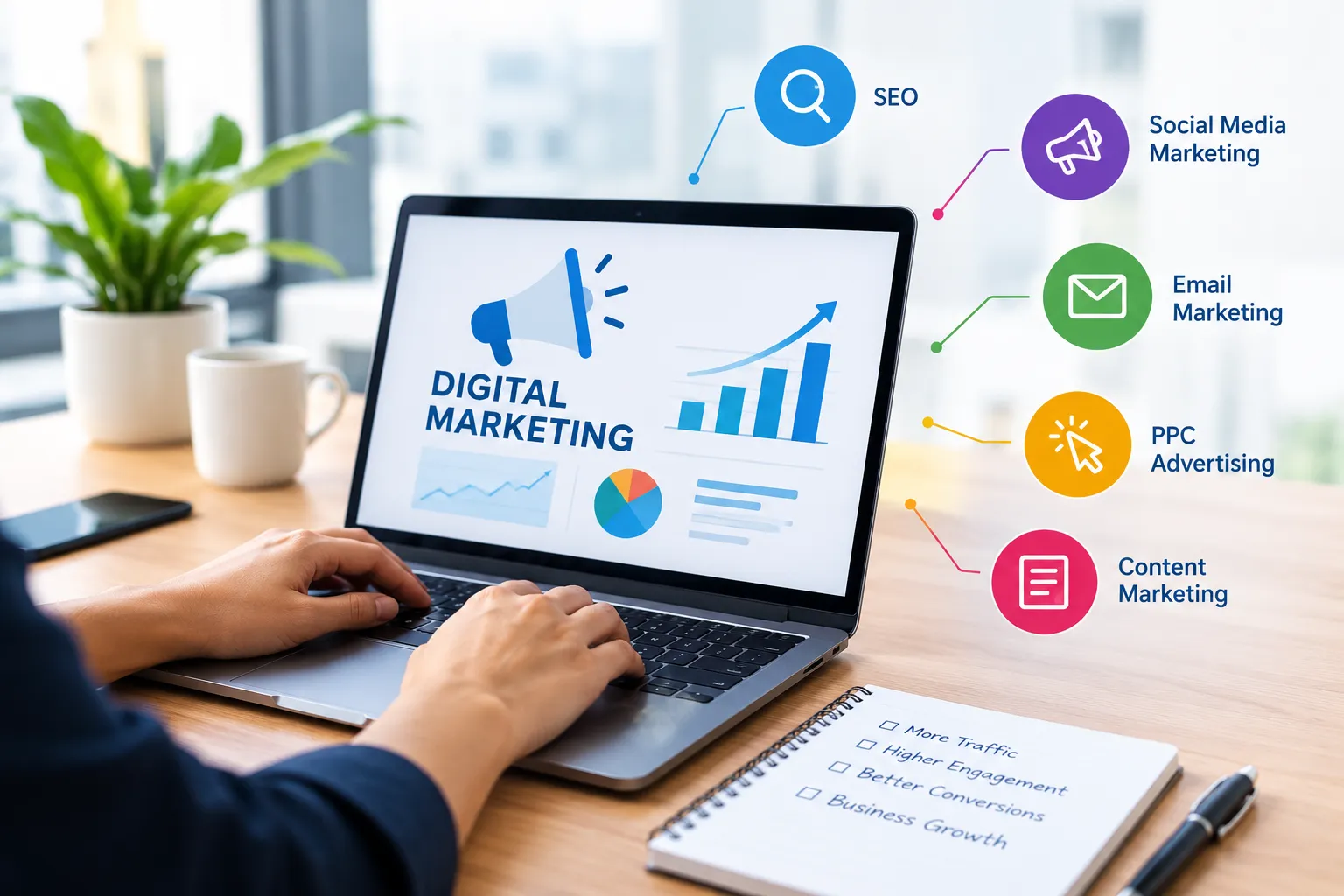
Animation works best when it is part of a broader digital marketing strategy. Search engine optimization, social media, email marketing, paid advertising, and content marketing can all benefit from well-designed visual assets.
For example, an SEO-focused article can include an animated explainer that reinforces the topic. A social campaign can direct viewers toward a landing page containing the same animation and additional information. An email campaign can use a short animated preview to encourage recipients to visit the website.
This creates consistency between different marketing channels and gives audiences multiple opportunities to interact with the brand.
Creating Animation That Actually Works
Successful animated content does not necessarily require complicated graphics or elaborate production. A clear idea, strong script, appropriate pacing, and relevant visuals are often more important.
Start with the audience and the problem the content needs to address. Then build a simple story around that problem and explain the solution clearly.
Keep the visual style aligned with the brand. Use movement to emphasize important information rather than filling every second with unnecessary effects.
Most importantly, measure performance. Views, watch time, engagement, clicks, conversions, and other relevant metrics can help marketers understand whether their animated content is achieving its intended purpose.
The Future of Animated Digital Marketing
As digital platforms become increasingly visual, animation will continue to provide marketers with creative ways to communicate. New production technologies and AI-powered tools are also making it easier to experiment with animated concepts and produce content at different scales.
The real opportunity, however, is not animation itself. It is the ability to communicate ideas more clearly and creatively.
When used strategically, animated content can capture attention, simplify complex subjects, strengthen brand identity, and support campaigns across multiple channels. That makes animation more than a visual trend. It can become a practical part of a modern digital marketing strategy.



























Sign in to leave a comment.