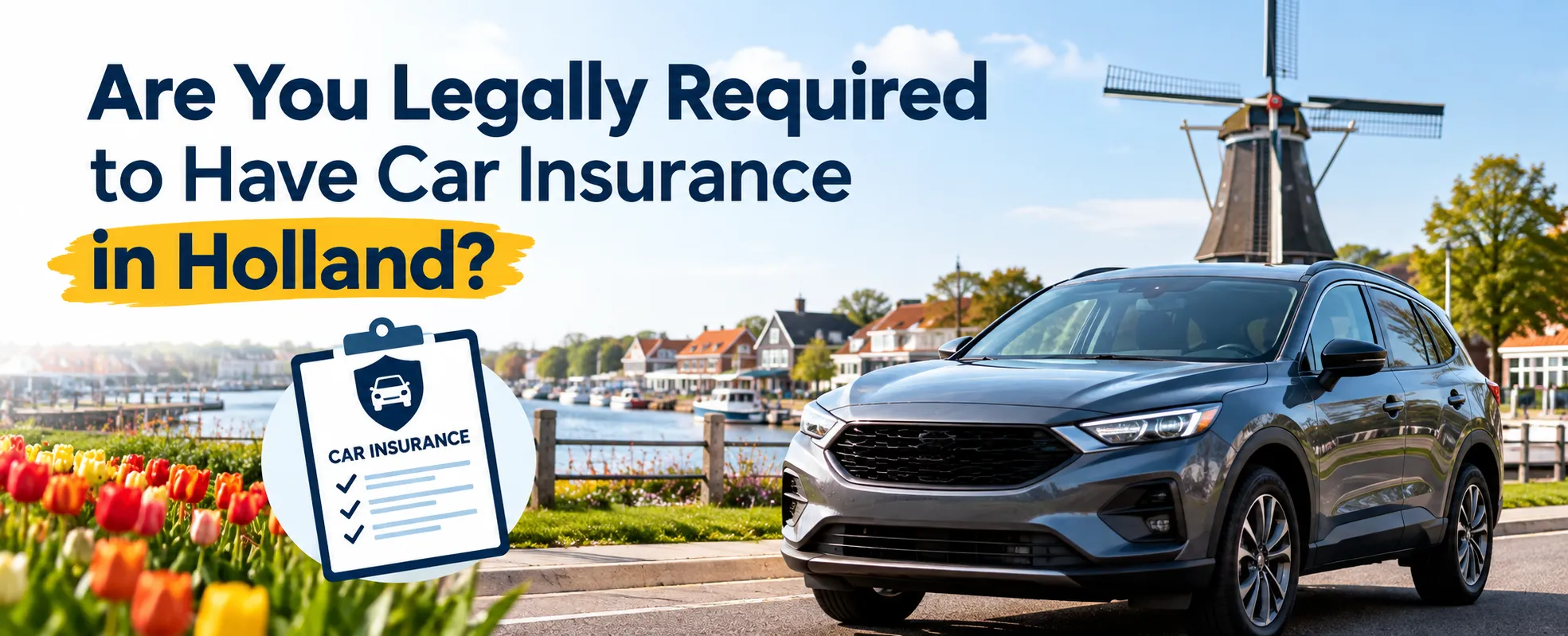
If you live in Holland, Michigan, or recently moved there, one question usually comes up before you register or drive a vehicle: Is car insurance legally required? The short answer is yes. Michigan law requires every vehicle driven on public roads to carry a minimum amount of insurance coverage.
That sounds simple enough. The complicated part is understanding what “minimum coverage” actually means under Michigan's no-fault insurance system, what happens if you drive without insurance, and whether minimum coverage is always enough for drivers in Holland.
This guide explains the legal requirements in plain English, along with practical examples that matter if you drive in Ottawa County or around the Holland area. Whether you're a first-time driver, buying a new vehicle, or reviewing your current policy, knowing these rules can save you from expensive mistakes.
Is Car Insurance Required by Law in Holland, Michigan?
Yes. Every driver operating a vehicle on public roads in Holland must carry valid Michigan auto insurance. Holland follows Michigan state law, so the legal requirements are the same whether you're driving downtown Holland, near Lake Macatawa, or commuting toward Grand Rapids.
The law requires insurance before a vehicle can be legally registered and driven. If your insurance lapses, you may lose your registration, face fines, or encounter other legal penalties.
Many drivers assume insurance is only checked after an accident. That's a risky assumption. Police officers may request proof of insurance during a traffic stop, and insurance status can also affect vehicle registration and claims after a collision.
In practical terms, Auto insurance in Holland isn't optional if you want to drive legally.
Understanding Michigan's No-Fault Insurance Law
Michigan has one of the most unique insurance systems in the United States. Instead of immediately assigning blame after most crashes, each driver's insurance company generally pays for their own covered medical expenses and certain losses.
This system is called no-fault insurance.
Here's what that usually includes:
Personal Injury Protection (PIP)
PIP helps cover medical expenses after an accident, regardless of who caused it. Depending on the policy you choose, it may also cover rehabilitation, lost wages, and certain replacement services.
Michigan drivers now have multiple PIP coverage options instead of one unlimited requirement. That gives drivers more flexibility, although choosing lower limits may not be appropriate for everyone.
Property Protection Insurance (PPI)
This coverage pays for damage your vehicle causes to someone else's property in Michigan, such as buildings, fences, parked vehicles in certain situations, or utility poles.
Residual Liability Coverage
Liability coverage protects you when you're legally responsible for injuries or property damage that fall outside Michigan's no-fault protections. It becomes especially important in serious accidents or incidents involving drivers from other states.
These three coverages form the legal foundation of a Michigan auto insurance policy.
Minimum Car Insurance Requirements in Michigan
Every policy sold to meet Michigan's legal requirements must include minimum liability limits.
| Coverage Type | Minimum Requirement |
|---|---|
| Personal Injury Protection (PIP) | Required with selectable coverage levels |
| Property Protection Insurance (PPI) | Required |
| Bodily Injury Liability | $50,000 per person / $100,000 per accident (default minimum in many policies) |
| Property Damage Liability | $10,000 for property damage occurring outside Michigan |
These limits satisfy the legal requirement, but legal doesn't always mean sufficient.
Imagine you're involved in a multi-car accident where damages exceed your liability limit. You're still responsible for costs above your coverage amount. That's one reason many insurance professionals recommend reviewing higher liability limits, especially for drivers with assets to protect.
What Happens If You Drive Without Car Insurance in Holland?
Driving uninsured in Michigan carries real consequences, and they extend beyond receiving a traffic ticket.
Possible legal penalties include:
- Fines imposed by the court.
- Suspension of your driver's license.
- Suspension of vehicle registration.
- Additional reinstatement fees.
- Difficulty obtaining affordable insurance later.
The financial consequences may be even worse than the legal ones.
Suppose you're involved in an accident without insurance. Even if another driver caused the collision, your ability to recover certain damages may be limited under Michigan law. You may also become personally responsible for injuries or property damage you caused.
In many cases, driving uninsured ends up costing far more than maintaining a policy.
Does Every Vehicle Need Insurance?
Generally, yes—if the vehicle is driven on public roads.
Here are a few common situations.
Personal Cars
Every privately owned car driven on Michigan roads must have insurance.
Financed Vehicles
Lenders almost always require additional coverage beyond Michigan's legal minimums, including collision and comprehensive coverage.
Leased Vehicles
Lease agreements typically require full coverage for the duration of the lease.
Seasonal Vehicles
Some drivers in Holland store vehicles during winter months. Insurance requirements may change depending on whether the vehicle remains registered or is driven. Before removing coverage, verify how it affects registration and financial protection.
The safest approach is reviewing your policy before making seasonal coverage changes.
Is Minimum Coverage Enough for Drivers in Holland?
Legally, yes.
Financially, it depends.
Minimum coverage protects your legal right to drive, but it doesn't automatically protect your finances.
Consider a few realistic situations around Holland.
Example 1: Heavy Winter Roads
Lake-effect snow creates slippery roads during winter. A relatively small accident can still result in thousands of dollars in repair costs.
Example 2: Newer Vehicles
A newer SUV or pickup may cost tens of thousands of dollars to repair after a collision. Minimum liability coverage doesn't pay for damage to your own vehicle.
Example 3: Busy Tourist Season
Holland attracts visitors during Tulip Time and throughout the summer. More traffic can mean greater accident exposure, especially near downtown and waterfront areas.
For many drivers, adding collision or comprehensive coverage appears to provide more meaningful financial protection than relying solely on minimum insurance.
Optional Coverages Worth Considering
Legal minimum coverage is only the starting point.
Collision Coverage
Pays to repair or replace your vehicle after a collision, regardless of fault.
Useful for:
- Newer vehicles.
- Financed or leased vehicles.
- Drivers who couldn't easily replace a damaged vehicle.
Comprehensive Coverage
Covers non-collision events like:
- Theft.
- Vandalism.
- Falling tree branches.
- Hail damage.
- Fire.
- Animal collisions.
Living near wooded areas around West Michigan makes animal collisions more common than many drivers expect.
Uninsured and Underinsured Motorist Coverage
Protects you if another driver has little or no insurance.
Although insurance is legally required, not every driver follows the law. This coverage can help bridge that gap.
Roadside Assistance
Provides services like towing, jump-starts, fuel delivery, or lockout assistance.
It's relatively inexpensive compared with paying for emergency roadside services out of pocket.
Factors That Affect Car Insurance Rates in Holland
Not every driver pays the same premium. Insurance companies evaluate multiple risk factors.
Driving History
A clean driving record generally leads to lower premiums.
Age and Experience
New drivers often pay more because they have less driving history.
Vehicle Type
Sports cars, luxury vehicles, and vehicles with expensive repair costs often cost more to insure.
ZIP Code
Where you live influences premiums because insurers evaluate accident frequency, theft rates, traffic density, and claim history.
Coverage Choices
Higher coverage limits and optional protections increase premiums, while higher deductibles may reduce monthly costs.
Drivers shopping for Auto insurance in Holland often discover that comparing policy structures matters as much as comparing prices.
How to Stay Legal and Avoid Coverage Gaps
Many insurance problems begin with a simple oversight rather than intentional noncompliance.
Keep Your Policy Active
Missing payments can cause coverage to lapse.
Update Your Insurance After Moving
If you've moved within Holland or relocated from another Michigan city, update your address so your policy information remains accurate.
Carry Proof of Insurance
Michigan allows drivers to carry proof electronically in many situations, making it easier during traffic stops or after accidents.
Review Your Policy Every Year
Life changes affect insurance needs:
- Buying a new vehicle.
- Adding a driver.
- Marriage.
- Moving.
- Changes in commuting distance.
Annual reviews often identify outdated coverage or unnecessary costs.
Why Holland Drivers Should Compare More Than Price
It's tempting to choose the cheapest policy available.
Sometimes that's reasonable. Sometimes it becomes expensive later.
A policy with a very low premium may include:
- Higher deductibles.
- Lower liability limits.
- Limited optional coverage.
- Fewer policy benefits.
Think of insurance like buying a winter coat in Michigan. The least expensive option might technically cover you, but you'll notice the difference when temperatures drop below freezing.
The same principle applies after an accident.
A balanced policy considers affordability alongside protection.
How L.A. Insurance Holland Can Help Drivers Find Coverage
Finding the right policy doesn't have to mean paying for coverage you don't need.
L.A. Insurance Holland helps drivers compare insurance options based on their vehicle, driving history, and coverage needs. Whether you're looking for state minimum liability coverage or broader protection that includes collision and comprehensive insurance, reviewing multiple options can help match coverage to your budget.
Drivers with clean records, new vehicles, motorcycles, commercial vehicles, or high-risk insurance needs often have different coverage priorities. Working through those differences before choosing a policy may help avoid surprises after an accident.
The goal isn't simply finding a policy that meets Michigan law. It's finding one that fits how you actually drive.
Frequently Asked Questions
Can I register a car in Holland without insurance?
No. Michigan requires proof of valid insurance before registering a vehicle for legal road use.
Can police verify my insurance during a traffic stop?
Yes. Drivers should be prepared to provide valid proof of insurance when requested by law enforcement.
Is liability insurance the same as full coverage?
No. Liability insurance helps pay for damages you're legally responsible for causing to others. Full coverage is an informal term that typically combines liability, collision, and comprehensive coverage.
Do I need insurance if I rarely drive my car?
If the vehicle is registered and driven on public roads, Michigan's insurance requirements still apply. Different rules may apply for vehicles placed in storage, depending on registration and usage.
Will driving without insurance increase future insurance costs?
It can. Insurance companies may consider lapses in coverage when determining future premiums, depending on the circumstances.
Final Thoughts
Yes, you are legally required to have car insurance in Holland, Michigan. That's the legal baseline. The bigger question is whether your current policy protects you well enough when something unexpected happens.
Michigan's no-fault insurance system gives drivers several coverage choices, especially for medical benefits through PIP. That flexibility is useful, but it also means drivers need to understand what they're selecting instead of choosing coverage based only on monthly price.
If you're reviewing Auto insurance in Holland, take time to compare liability limits, deductibles, collision coverage, and comprehensive protection—not just premiums. A policy that costs slightly more each month may provide significantly better financial protection after a serious accident.
Driving legally is essential. Driving with coverage that matches your real-world risks is often the smarter long-term decision.
























Sign in to leave a comment.