

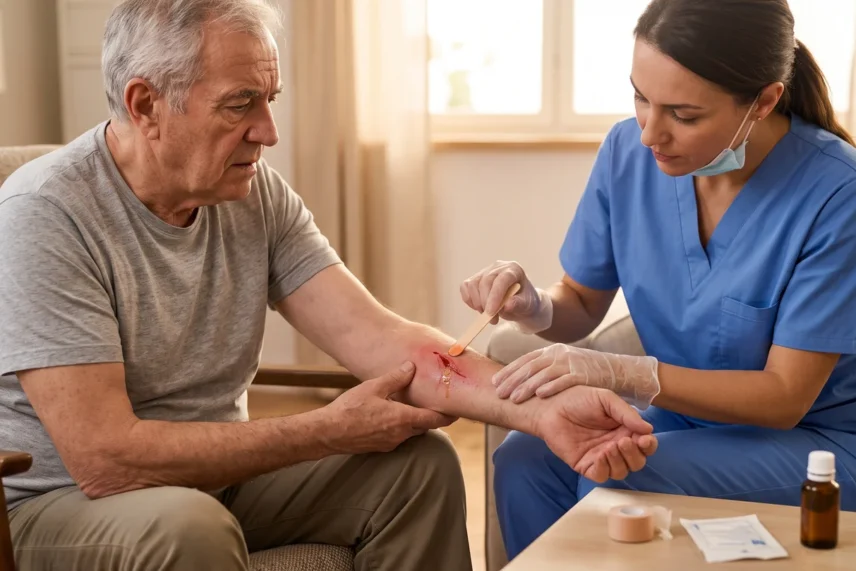
Not all wounds heal in the same way. A wound on the leg that remains open for weeks may be caused by several different problems, including infection, pressure, diabetes, or poor circulation. Two important types of circulation-related wounds are arterial wounds and venous wounds.
Although both can affect the lower legs and may become chronic, they develop for different reasons. Arterial wounds are generally associated with inadequate blood flow through the arteries, while venous wounds are usually related to problems returning blood from the legs to the heart.
Understanding the differences between these wounds is important because their management can be very different. Identifying the underlying circulation problem is an essential part of appropriate wound care.
What Are Arterial Wounds?
Arterial wounds develop when the arteries cannot deliver enough oxygen-rich blood to the tissues. Arteries carry blood away from the heart and supply oxygen and nutrients to muscles, skin, and other tissues.
When an artery becomes narrowed or blocked, blood flow to a particular area can decrease. This may prevent the tissue from receiving the oxygen and nutrients needed for normal repair.
Peripheral artery disease is one condition that can contribute to reduced blood flow in the legs. Other factors, including smoking, diabetes, high blood pressure, high cholesterol, and increasing age, can increase the risk of arterial disease.
An arterial wound may begin after a minor injury, but reduced blood flow can prevent it from healing normally.
What Are Venous Wounds?
Venous wounds, often called venous ulcers, develop when blood has difficulty returning from the legs toward the heart.
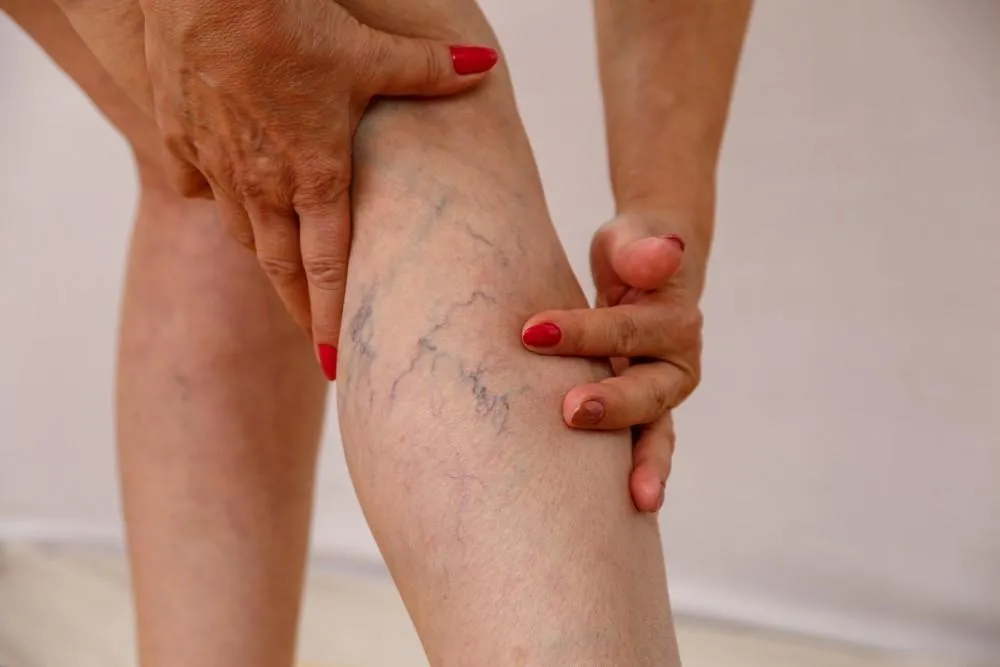
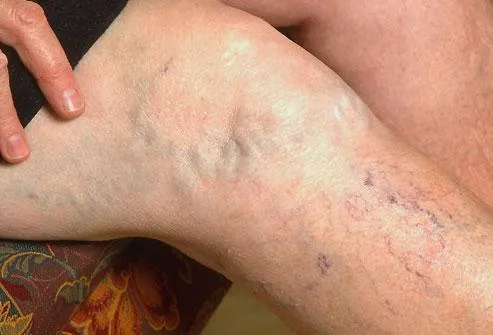
The veins contain valves that help keep blood moving in the correct direction. If these valves become weak or damaged, blood can flow backward and accumulate in the lower legs. This increases pressure inside the veins and can eventually affect the surrounding skin and tissues.
Chronic venous insufficiency is a common cause of venous wounds. Varicose veins, previous blood clots, obesity, prolonged standing, and other factors can contribute to problems with venous circulation.
Venous ulcers commonly develop around the lower leg and ankle.
Where Do These Wounds Usually Appear?
The location of a wound can provide useful clues, although location alone cannot establish a diagnosis.
Arterial wounds frequently develop on areas such as the feet, toes, heels, or other parts of the leg where blood supply is reduced. They may also occur where there has been minor trauma or pressure.
Venous wounds are more commonly found around the lower leg, particularly near the inner ankle. They may occur alongside swelling, skin discoloration, or other signs of chronic venous disease.
A healthcare professional may consider the location along with the wound's appearance, symptoms, medical history, and circulation findings.
How Do Arterial Wounds Look?
Arterial wounds may have a punched-out appearance and clearly defined edges. The surrounding skin can appear pale, shiny, or thin, and hair growth on the affected leg may decrease.
The affected foot may also feel cooler than the other foot. In some people, the skin may become pale when the leg is elevated.
Pain can be an important feature. Arterial wounds may cause significant pain, particularly when the leg is elevated or during periods of rest. Some people find temporary relief when the leg is placed in a dependent position because gravity can improve blood flow to the affected area.
These symptoms require appropriate medical evaluation because inadequate arterial blood flow can threaten tissue health.
How Do Venous Wounds Look?
Venous wounds are often shallow and may have irregular edges. The surrounding skin can show swelling, redness, dryness, or changes in color.
Brownish discoloration around the ankles is common in chronic venous disease. The skin may also become thicker or firmer over time.
Unlike many arterial wounds, venous wounds are often associated with swelling that becomes more noticeable after prolonged standing or toward the end of the day.
The affected leg may feel heavy, tired, or uncomfortable. Elevating the leg may reduce some symptoms in people with venous disease.
How Does Pain Differ?
Pain patterns can provide useful information, although they are not enough to determine the cause of a wound by themselves.
Arterial wounds can be associated with significant pain due to inadequate oxygen delivery to tissues. Pain may become worse when the leg is elevated or during rest.
Venous wounds may produce aching, heaviness, or discomfort associated with swelling and increased pressure in the veins. Symptoms may become more noticeable after prolonged standing and improve with elevation.
Because pain can vary considerably between individuals, professional assessment is important.
Why Does Swelling Matter?
Swelling is more commonly associated with venous wounds than arterial wounds.
When blood does not return efficiently through the veins, fluid can move into surrounding tissues. This can cause swelling around the ankle and lower leg.
Persistent swelling can also affect the skin and make wound healing more difficult.
Significant swelling should still be evaluated because it can have multiple causes. Sudden swelling affecting one leg, especially when accompanied by pain, warmth, or redness, requires prompt medical attention.
How Are Arterial and Venous Wounds Diagnosed?
Diagnosis involves more than simply looking at the wound.
A healthcare professional may review medical history, medications, diabetes status, smoking history, previous blood clots, and other risk factors. The affected leg may be examined for changes in temperature, color, swelling, pulses, skin condition, and sensation.
For suspected arterial disease, tests may be used to assess blood flow through the arteries. These can include an ankle-brachial index or other vascular imaging studies.
For suspected venous disease, duplex ultrasound can help evaluate blood flow and identify abnormal backward movement of blood through the veins.
Accurate diagnosis matters because treatments that are appropriate for one type of wound may not be suitable for another.
Why Proper Diagnosis Is Important
A wound cannot be managed effectively by treating only its surface if the underlying circulation problem remains unaddressed.
For example, an arterial wound may require attention to inadequate blood supply, while a venous wound may require management of venous pressure and swelling.
This is why people with chronic or unexplained wounds may need assessment by professionals who understand both wound healing and vascular conditions. A Vascular Surgeon in Sugarland can evaluate whether an arterial or venous circulation problem may be contributing to delayed healing.
When a wound remains open or becomes increasingly difficult to heal, specialized assessment at a Wound Care Center in Sugarland may also be appropriate.
Risk Factors for Arterial Wounds
Several factors can increase the likelihood of arterial circulation problems.
These include:
- Smoking or tobacco use
- Diabetes
- High blood pressure
- High cholesterol
- Increasing age
- A family history of vascular disease
- Previous cardiovascular disease
- Limited physical activity
Managing these risk factors can support overall cardiovascular and vascular health.
Risk Factors for Venous Wounds
Venous wounds have a different set of common risk factors, although some factors overlap.
These may include:
- Varicose veins
- Chronic venous insufficiency
- Previous deep vein thrombosis
- Prolonged standing
- Obesity
- Limited mobility
- Increasing age
- Previous leg injuries
Recognizing these risks can help individuals pay closer attention to changes in their lower legs and seek evaluation when appropriate.
When Should a Wound Be Evaluated?
A wound should receive medical attention if it does not show normal signs of healing or continues to become larger, more painful, or more inflamed.
Other warning signs include:
- Increasing redness or swelling
- Pus or unusual drainage
- Foul odor
- Changes in skin color
- Increasing pain
- Coldness of the affected foot
- Persistent swelling
- Fever or chills
- Darkening or dying tissue
People with diabetes, known circulation problems, or reduced sensation should be particularly attentive to wounds on their feet and legs.
Can These Wounds Be Prevented?
Not every arterial or venous wound can be prevented, but managing risk factors can reduce the likelihood of complications.
Regular physical activity, avoiding tobacco, maintaining healthy blood pressure and cholesterol levels, managing diabetes, and maintaining a healthy weight can support vascular health.
People with reduced sensation should inspect their feet regularly for cuts, blisters, pressure areas, and changes in skin color.
Those with chronic venous problems may benefit from medical advice regarding movement, leg elevation, and compression therapy. Compression should not be used without appropriate assessment when significant arterial disease is suspected.
Final Thoughts
Arterial and venous wounds may both occur on the legs, but their underlying causes are different. Arterial wounds result from inadequate blood supply, while venous wounds are generally associated with difficulty returning blood from the legs to the heart.
Differences in wound location, appearance, pain, swelling, skin changes, and circulation can provide useful clues, but a proper medical evaluation is necessary to determine the cause.
When a wound does not heal as expected, identifying the underlying vascular problem is an important part of care. Early assessment can help determine whether arterial disease, venous insufficiency, infection, diabetes, pressure, or another factor is affecting the healing process.


























Sign in to leave a comment.