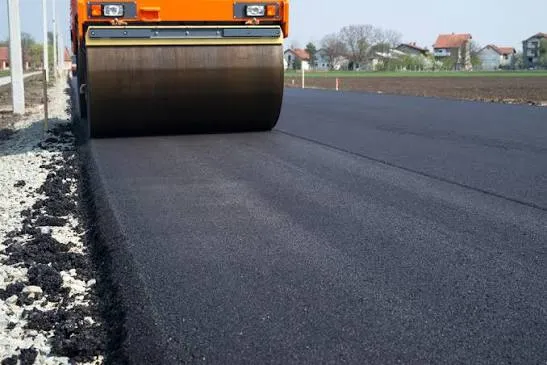

Asphalt pavement can handle regular traffic, changing weather, and everyday wear, but it does not remain in perfect condition forever. Over time, small cracks may appear, the surface can begin to weaken, and potholes may develop in areas exposed to moisture and repeated vehicle loads. These problems often start small, yet delaying attention can allow them to spread and create more extensive pavement damage.
For property owners in Deerfield, New Hampshire, understanding the causes of asphalt deterioration is an important step toward maintaining safer, more durable driveways, parking areas, and other paved surfaces. Recognizing early warning signs and addressing problems appropriately can help preserve pavement and reduce the likelihood of more expensive work later.
Why Asphalt Cracks Develop
Cracks are among the most common signs of asphalt deterioration. They can develop for several reasons, including temperature changes, aging pavement, water penetration, and repeated traffic.
Asphalt naturally expands and contracts as temperatures fluctuate. New Hampshire experiences seasonal changes that can place considerable stress on paved surfaces. When asphalt becomes older or loses flexibility, these movements can contribute to cracking.
Heavy vehicles and frequent traffic can also affect pavement condition, particularly when the underlying base is weak or the surface was not designed for the loads it receives. Existing cracks may widen as water enters the pavement and weakens supporting layers.
Not every crack indicates the same problem. Thin surface cracks may require a different approach from wider cracks associated with structural movement or extensive deterioration. Identifying the likely cause helps determine which repair method is appropriate.
How Potholes Form and Why They Matter
Potholes often develop when water enters cracks or damaged areas and reaches the layers beneath the asphalt. Moisture can weaken the supporting base, while vehicle tires repeatedly place pressure on the compromised surface.
Freeze-thaw cycles can make this process more severe. Water expands when it freezes, placing additional stress on pavement. When temperatures rise, the weakened area may become more vulnerable to traffic, eventually allowing pieces of asphalt to break away.
Once a pothole appears, surrounding pavement may also begin to deteriorate. Water can collect inside the damaged area, and vehicles may continue breaking down its edges. Potholes can create uncomfortable driving conditions, damage tires or suspension components, and present tripping hazards in areas used by pedestrians.
Prompt assessment is important because a pothole is not always an isolated surface problem. If the underlying base has deteriorated, simply filling the visible hole may not provide a lasting solution.
Why Timely Asphalt Repair Makes a Difference
Small cracks are generally easier to address than widespread cracking accompanied by base failure. Taking action when damage first appears can help limit water penetration and reduce the chance of deterioration spreading into nearby pavement.
Property owners planning broader pavement improvements can also explore asphalt paving and surface repair work in Deerfield when evaluating the condition of their existing asphalt and considering suitable long-term options.
The appropriate response depends on the pavement's age, the extent of the damage, drainage conditions, and the condition of the supporting layers. A professional assessment can help distinguish between localized damage that may be repairable and more extensive deterioration that requires a larger rehabilitation plan.
Ignoring cracks and potholes does not guarantee that a surface will need complete replacement, but continued exposure to moisture and traffic can increase the risk of more widespread problems.
Common Asphalt Repair Methods
Different types of pavement damage require different repair approaches. Selecting a method based only on the appearance of the surface can overlook underlying problems.
Crack sealing:
Suitable cracks may be cleaned and filled with an appropriate sealant to help limit water infiltration. The effectiveness of this method depends on the crack type, pavement condition, and proper preparation.
Pothole patching:
A pothole may be repaired by removing loose or deteriorated material, preparing the affected area, and installing suitable asphalt patching material. The repair method depends on the depth of the damage and the condition of the base.
Localized asphalt replacement:
Where deterioration extends beyond a small surface area, removing and replacing the affected pavement may provide a more suitable repair than applying a superficial patch.
Larger pavement rehabilitation:
Extensive cracking, repeated pothole formation, drainage issues, or widespread structural deterioration may indicate that repairs need to be part of a broader pavement improvement plan.
No single method is appropriate for every situation. Proper preparation, suitable materials, drainage considerations, and attention to the underlying structure all influence the result.
How Drainage Affects Pavement Condition
Water management plays a major role in asphalt durability. Even a well-constructed surface can deteriorate prematurely when water repeatedly collects in low spots or enters damaged areas.
Property owners should pay attention to standing water after rainfall, runoff flowing across pavement, and areas where water gathers near edges. These conditions may indicate grading or drainage concerns that should be evaluated alongside visible asphalt damage.
Simply filling cracks or potholes may not resolve the problem if water continues entering the same area. Addressing the contributing drainage issue can help reduce repeated deterioration and support the effectiveness of future repairs.
Keeping nearby drainage channels clear and avoiding the buildup of debris can also help water move away from paved surfaces as intended.
Seasonal Considerations for Asphalt in New Hampshire
Seasonal weather can influence when and how asphalt repairs should be completed. During colder periods, freezing temperatures and moisture can complicate some repair procedures, while warmer conditions may provide more suitable opportunities for certain materials and methods.
Temporary or cold-weather repairs may sometimes be necessary to address immediate hazards, but their suitability and expected performance depend on the conditions and products used. More permanent work should be planned according to the repair requirements, weather, and manufacturer recommendations.
After winter, inspecting asphalt can help identify cracks that have widened, potholes that have formed, and areas where water may have contributed to damage. Regular inspections throughout the year also help property owners notice developing problems before they become harder to manage.
Practical Ways to Protect Existing Asphalt
Although asphalt requires maintenance, a few consistent practices can help property owners monitor pavement condition and reduce avoidable deterioration.
Inspect paved areas periodically, especially after winter and periods of heavy rainfall. Look for new cracks, loose asphalt, depressions, standing water, and potholes that appear to be growing.
Keep drainage paths clear and address recurring water accumulation. Where appropriate, have cracks assessed and repaired before moisture reaches deeper pavement layers.
Pay attention to the type and amount of traffic using the surface. Areas exposed to heavy vehicles or repeated turning movements may experience more stress than lightly used sections.
It is also important to avoid treating every visible defect with the same repair product. The condition of the pavement and its supporting layers should guide the choice of repair method.
When to Seek a Professional Pavement Assessment
Some minor surface defects may be straightforward to address, but recurring potholes, extensive cracking, sinking areas, and widespread loose asphalt can indicate more serious concerns.
A professional assessment can help determine whether damage is limited to the surface or extends into the underlying base. It can also identify possible drainage issues and help establish whether localized repairs or broader rehabilitation would be more appropriate.
For Deerfield property owners, evaluating pavement condition early can make maintenance planning more manageable. Rather than waiting until multiple damaged areas develop, a planned approach allows repairs to be prioritized according to their severity, location, and likely causes.
Protecting Asphalt Through Early Attention
Cracks and potholes are common pavement problems, but they should not be ignored. Moisture, seasonal temperature changes, traffic, and aging materials can combine to turn minor defects into larger areas of deterioration.
Regular inspections, suitable repair methods, and effective drainage management can help extend the useful life of asphalt. When damage becomes widespread or repeatedly returns, evaluating the underlying causes is essential to choosing a more durable solution.
By addressing pavement concerns early and planning maintenance around actual site conditions, property owners in Deerfield can make informed decisions about protecting their asphalt surfaces and keeping paved areas functional for years to come.





























Sign in to leave a comment.