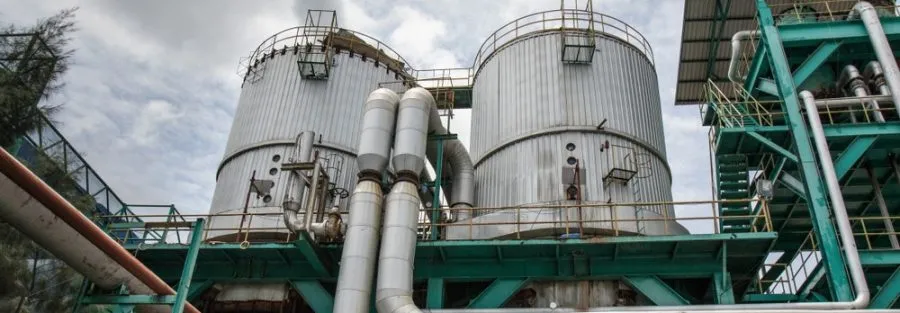

Industrial plants depend on equipment, pipelines, storage tanks, pressure vessels, structures, and other assets to maintain safe and efficient operations. Over time, these assets can face corrosion, wear, cracking, vibration, pressure changes, and other forms of damage.
This is where Asset Integrity Management (AIM) becomes important. It is a systematic approach used to maintain the safety, reliability, and performance of industrial assets throughout their operating life.
A strong asset integrity management program helps companies identify potential problems early, control risks, reduce unexpected failures, and improve the service life of critical equipment.
What Is Asset Integrity Management?
Asset Integrity Management is a structured process for ensuring that industrial assets remain safe and fit for their intended purpose.
It covers an asset from its design and installation through operation, inspection, maintenance, repair, and eventual replacement or decommissioning.
The main purpose of AIM is to answer important questions such as:
- Is the equipment safe to operate?
- Is it suitable for its current operating conditions?
- Are there signs of damage or deterioration?
- When should inspection or maintenance be carried out?
- What risks could lead to equipment failure?
- How can failures and unplanned shutdowns be prevented?
AIM combines engineering knowledge, inspection data, risk assessment, maintenance practices, and operational information to support better asset-related decisions.
Why Is Asset Integrity Management Important?
Industrial equipment can deteriorate slowly without showing obvious signs of failure. A small crack, thinning pipe wall, damaged coating, or corrosion defect can become a serious problem if it is not identified and managed.
Effective AIM helps companies take action before minor defects become major failures.
Some important benefits include:
Improved Safety
Equipment failure can create serious hazards for workers, nearby communities, and the environment. Regular inspection and integrity assessment help identify unsafe conditions before they become critical.
Reduced Unplanned Downtime
Unexpected equipment failures can stop production and result in significant financial losses. AIM helps identify equipment that requires attention and supports planned maintenance activities.
Longer Asset Life
Proper inspection, corrosion control, maintenance, and repair can help extend the useful life of industrial equipment.
Better Maintenance Planning
Instead of relying only on fixed maintenance schedules, companies can use inspection and condition data to prioritize maintenance based on actual asset condition and risk.
Reduced Operational Risk
A structured integrity program helps identify failure mechanisms and evaluate their possible consequences. This supports better risk control.
Key Elements of Asset Integrity Management
An effective AIM program involves several interconnected activities. Each activity contributes to the overall reliability and safety of an asset.
1. Asset Identification and Classification
The first step is to understand the assets present in a facility.
This may include:
- Pressure vessels
- Process piping
- Storage tanks
- Heat exchangers
- Boilers
- Pumps
- Compressors
- Structural components
- Pipelines
- Safety-critical equipment
Assets can then be classified according to their importance, condition, operating environment, and potential consequences of failure.
Critical assets usually require more detailed inspection and monitoring.
2. Asset Condition Assessment
The current condition of an asset must be understood before making maintenance decisions.
Condition assessment can involve visual inspection, thickness measurements, non-destructive testing, corrosion monitoring, vibration monitoring, and other engineering techniques.
The collected information helps determine whether the asset is operating within acceptable limits.
3. Corrosion Management
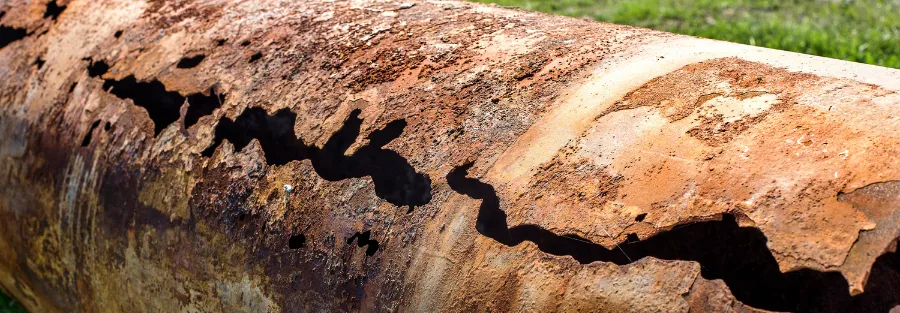
Corrosion is one of the most common threats to industrial assets.
It can cause:
- Wall thinning
- Pitting
- Cracking
- Leakage
- Structural weakening
- Loss of containment
Corrosion management is therefore an important part of asset integrity management.
It may include corrosion monitoring, material selection, coating inspection, corrosion control, chemical treatment, thickness measurement, and regular inspection.
4. Risk-Based Inspection
Risk-Based Inspection, or RBI, helps companies decide where inspection resources should be focused.
The approach considers factors such as:
- Probability of failure
- Consequences of failure
- Equipment condition
- Operating conditions
- Damage mechanisms
- Inspection history
Assets with higher risk may require more frequent or detailed inspection.
This allows organizations to use inspection resources more effectively.
5. Inspection and Non-Destructive Testing
Inspection provides important information about the physical condition of equipment.
Depending on the asset and damage mechanism, techniques may include:
- Ultrasonic testing
- Radiographic testing
- Magnetic particle testing
- Liquid penetrant testing
- Visual inspection
- Thickness measurement
- Eddy current testing
Non-destructive testing allows engineers to examine components without causing significant damage to the equipment.
6. Maintenance and Repair
Inspection findings must be converted into practical actions.
Depending on the condition of the asset, actions may include:
- Cleaning
- Recoating
- Repair
- Replacement
- Welding
- Thickness monitoring
- Process changes
- Additional inspection
Maintenance should be planned according to asset condition, risk, and operational requirements.
7. Fitness for Service Assessment
Sometimes an asset contains a defect but may still be suitable for continued operation under specific conditions.
A Fitness for Service assessment can help determine whether equipment with flaws such as corrosion, cracks, dents, or other damage can safely continue operating.
The assessment considers the type, size, location, and severity of the defect along with operating conditions and applicable engineering requirements.
8. Data Management
Asset integrity generates a large amount of information.
Inspection reports, thickness readings, repair records, corrosion monitoring results, operating data, and maintenance history should be properly recorded and managed.
Good data management makes it easier to identify trends and make informed integrity decisions.
Common Threats to Asset Integrity
Industrial assets can be affected by different damage mechanisms.
Corrosion
Moisture, chemicals, salts, acids, and other corrosive environments can gradually damage metals.
Erosion
High-velocity fluids containing solid particles can remove material from equipment surfaces.
Fatigue
Repeated loading, vibration, pressure changes, and thermal cycling can contribute to fatigue cracking.
High Temperature
Elevated temperatures can change material properties and accelerate certain degradation mechanisms.
Mechanical Damage
Impact, excessive loading, vibration, and improper handling can damage equipment.
Poor Coating Condition
Damaged or poorly applied coatings can expose metal surfaces to the operating environment and increase the risk of corrosion.
Material Degradation
Some materials can lose strength or develop other problems because of prolonged exposure to temperature, chemicals, pressure, or environmental conditions.
Understanding these threats is essential for developing an effective integrity management strategy.
Asset Integrity Management Process
A typical AIM process can follow a continuous cycle:
Identify → Assess → Inspect → Evaluate → Maintain → Monitor → Review
First, assets and their criticality are identified.
Next, their condition and possible failure mechanisms are assessed. Inspection and testing provide additional information. Engineers then evaluate the findings and determine suitable maintenance or repair actions.
The asset is monitored after the action, and the results are reviewed periodically.
This continuous approach helps organizations respond to changing asset conditions.
Role of Technology in Asset Integrity Management
Modern technology has made asset integrity management more data-driven.
Digital asset management systems can help organizations store inspection records, track equipment history, schedule inspections, and monitor asset condition.
Other technologies may include:
- Sensors
- Remote monitoring
- Digital inspection systems
- Predictive maintenance tools
- Data analytics
- Digital twins
- Automated reporting
These technologies can help engineers identify trends and make faster decisions. However, technology works best when supported by reliable inspection data and sound engineering judgment.
Asset Integrity Management in Different Industries
AIM is used across many industries where equipment reliability and safety are important.
Oil and Gas
Pipelines, pressure vessels, tanks, offshore structures, and processing equipment require continuous integrity monitoring.
Chemical and Petrochemical
Chemical exposure can create severe corrosion and material degradation. Integrity management helps control these risks.
Power Plants
Boilers, turbines, piping systems, heat exchangers, and pressure equipment require regular inspection and condition monitoring.
Marine Industry
Ships, offshore platforms, and marine structures are exposed to moisture and saltwater, creating significant corrosion risks.
Manufacturing
Production equipment and supporting structures require proper inspection and maintenance to reduce breakdowns and production losses.
Challenges in Asset Integrity Management
Although AIM provides significant benefits, organizations can face several challenges.
One common challenge is incomplete or outdated asset information. Without accurate records, it can be difficult to understand asset history and current condition.
Another challenge is identifying the correct damage mechanism. Different environments and operating conditions can produce different types of degradation.
Limited inspection resources can also make prioritization difficult. This is why risk-based approaches are often important.
Finally, asset integrity should not be treated as a one-time inspection activity. It requires continuous monitoring, review, and improvement.
Conclusion
Asset Integrity Management is an important part of maintaining safe, reliable, and efficient industrial operations. It combines inspection, corrosion management, risk assessment, maintenance, condition monitoring, and engineering evaluation to manage assets throughout their service life.
A proactive approach can help organizations identify degradation early, reduce unexpected failures, improve equipment reliability, and support safer plant operations. With accurate data, proper inspection practices, and continuous monitoring, companies can make better decisions about the condition and future of their critical assets.























Sign in to leave a comment.