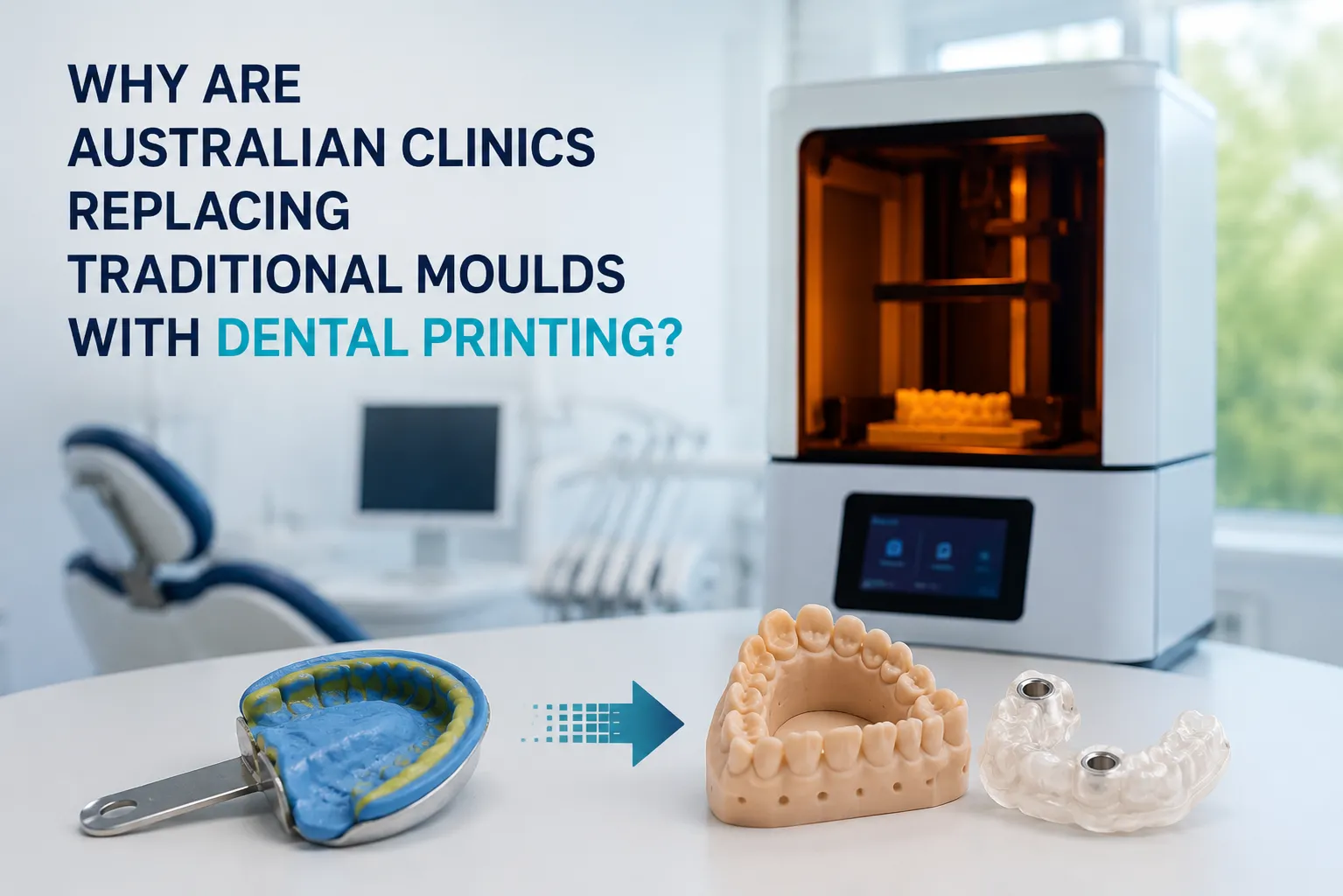

Dental technology across Australia is changing quickly. Many clinics that once relied on traditional moulds are now investing in dental printing systems to improve treatment quality, patient comfort, and production speed. From crowns and aligners to surgical guides and temporary restorations, digital workflows are becoming a standard part of modern dentistry.
Patients are also expecting faster and more comfortable dental visits. Traditional impressions often caused discomfort, especially for people with strong gag reflexes or dental anxiety. Digital scanning and dental printing offer a cleaner and more precise alternative, helping clinics deliver a smoother experience from consultation to final fitting.
The growing use of dental resin materials has also played a major role in this shift. Newer resin technologies are designed for strength, accuracy, aesthetics, and biocompatibility, making them suitable for a wide range of dental applications.
The Problems With Traditional Dental Moulds
Traditional dental impressions have been used for decades, but they come with several limitations. The process usually involves placing impression trays filled with thick material inside the patient’s mouth. Even when done carefully, the process can feel uncomfortable and time-consuming.
There is also a higher risk of small inaccuracies. Air bubbles, movement during setting, or improper storage can affect the final result. If the mould is distorted, the restoration may not fit properly, leading to remakes and additional appointments.
Australian clinics are increasingly focused on efficiency and patient satisfaction. Because of this, many practices are moving away from older impression methods and adopting digital alternatives.
How Dental Printing Changes the Workflow?
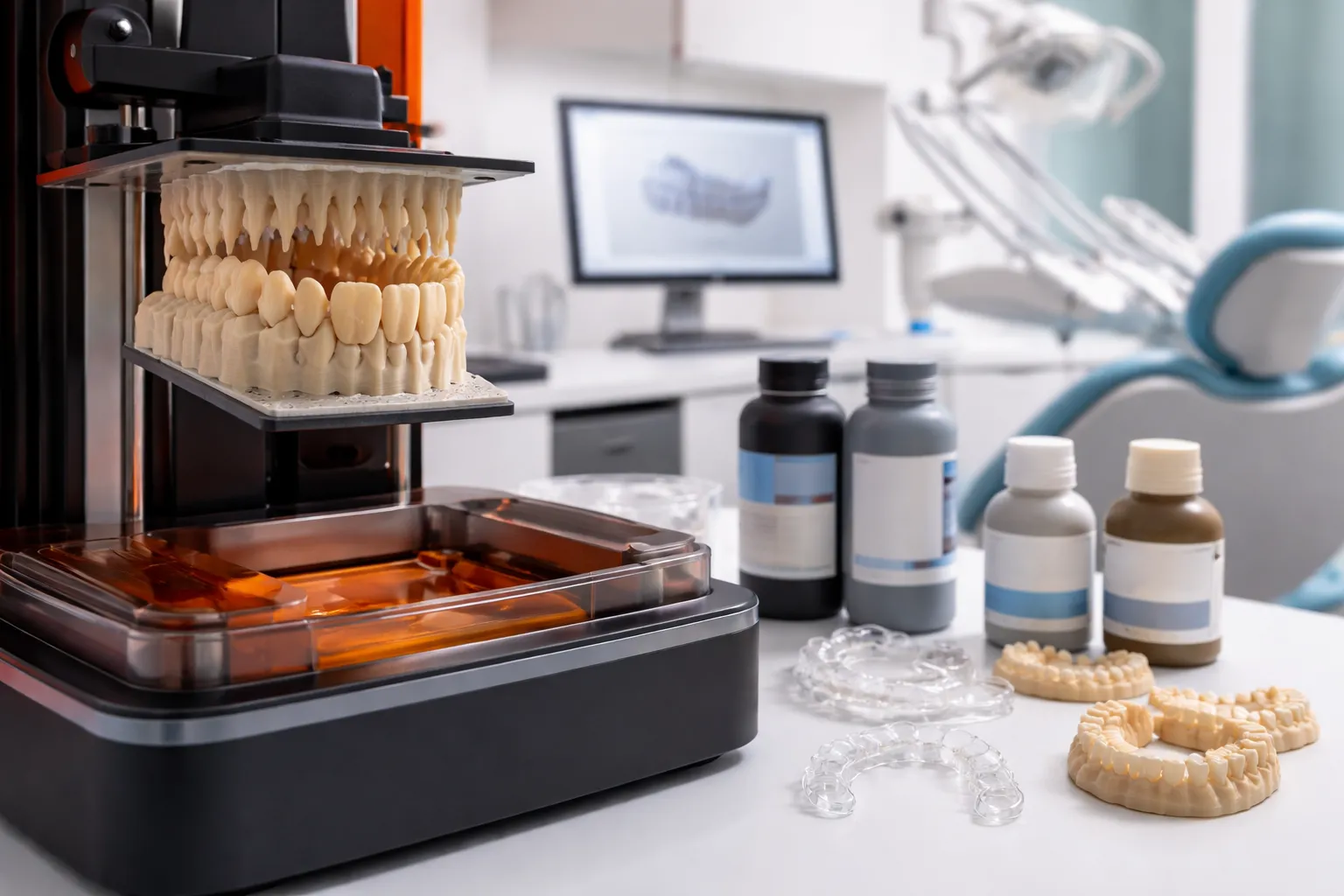
Dental printing starts with an intraoral scanner that captures a digital image of the patient’s teeth and gums. The scan is then converted into a 3D model, allowing dentists and dental labs to create restorations with greater precision.
Using specialised dental resin, printers can produce crowns, bridges, splints, surgical guides, dentures, and orthodontic models with remarkable detail. This digital workflow reduces manual handling and shortens turnaround times.
In many Australian clinics, dental printing has improved communication between dentists and laboratories. Files can be transferred instantly, reducing delays linked to shipping physical moulds.
Better Comfort for Patients
One of the main reasons clinics are replacing traditional moulds is patient comfort. Many people dislike impression trays because they feel bulky and unpleasant. For children and anxious patients, the experience can be particularly stressful.
Digital scanning removes much of this discomfort. The scanning process is quicker, cleaner, and less invasive. Patients can also view their digital scans on screen, helping them better understand their treatment plans.
Australian dental practices are becoming more patient-focused, and comfort now plays a significant role in technology decisions.
Faster Turnaround Times
Speed is another major advantage. Traditional impressions often require shipping to an external laboratory, which increases waiting times. Dental printing allows clinics and labs to produce restorations much faster.
Some clinics can now deliver temporary crowns or aligners within the same day. This helps reduce repeat visits and improves overall treatment efficiency.
For busy practices across Australia, time savings can make a significant operational difference. Faster workflows also allow clinics to manage more patients without compromising quality.
Improved Accuracy and Fit
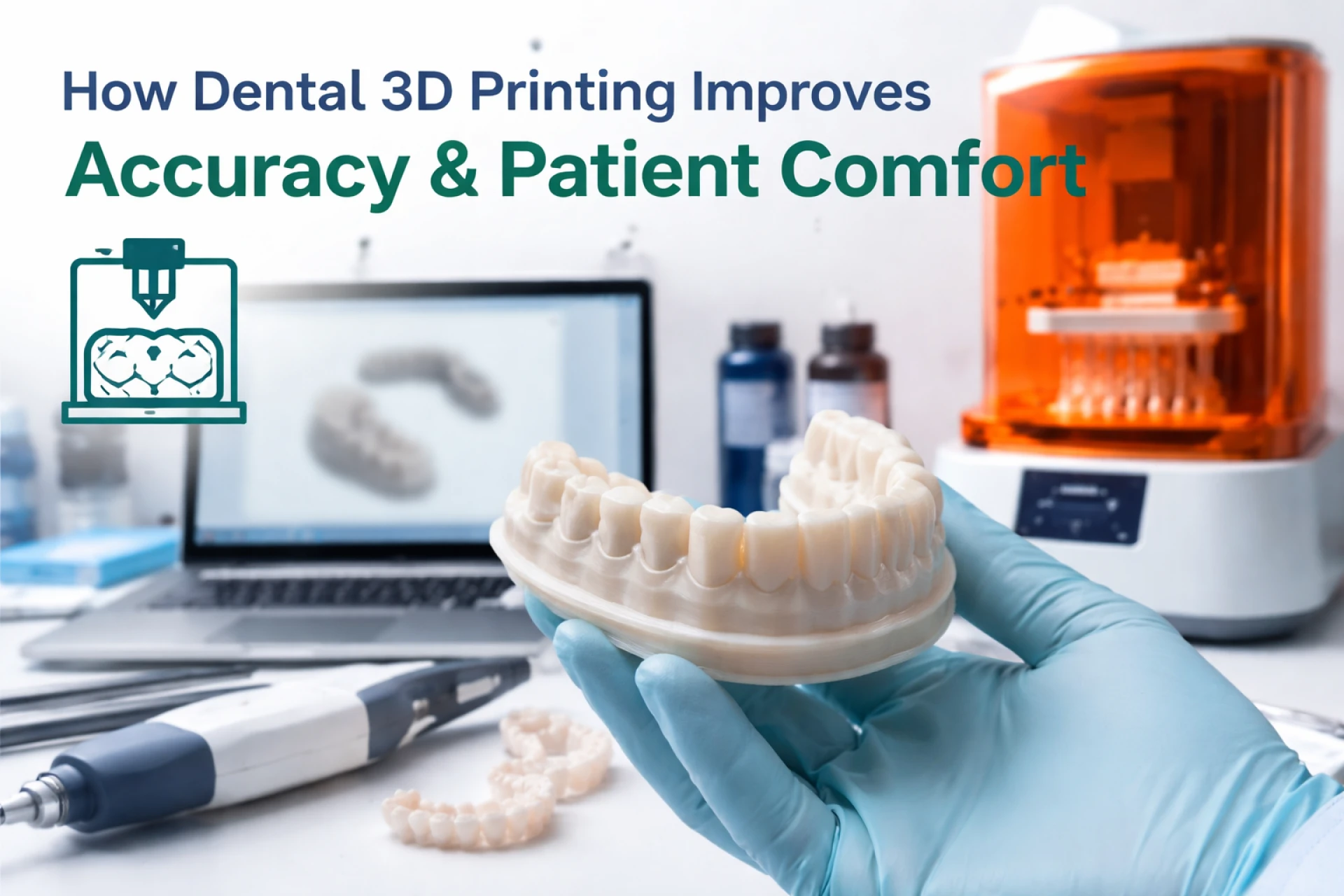
Accuracy is critical in dentistry. A poorly fitting restoration can lead to discomfort, bite issues, or treatment failure. Digital scans combined with advanced dental printing systems help minimise these risks.
Modern dental resin materials are engineered to maintain dimensional stability during printing and curing. This results in restorations that fit more consistently compared to older manual methods.
Many dental professionals also report fewer remakes after switching to digital workflows. Reduced adjustment time benefits both the clinic and the patient.
The Growing Role of Dental Resin
Dental resin technology has improved significantly in recent years. Earlier resin materials were often limited to temporary applications, but newer formulations are far more durable and aesthetically pleasing.
Today, dental resin is commonly used for:
- Temporary crowns and bridges
- Surgical guides
- Denture bases
- Orthodontic models
- Splints and night guards
- Clear aligners
Manufacturers are also developing biocompatible dental resin options that meet strict medical standards. This has increased confidence among Australian dentists adopting digital manufacturing methods.
Why Australian Clinics Are Investing in Digital Dentistry?
Australia’s dental industry is highly competitive, especially in metropolitan areas. Clinics are under pressure to deliver efficient treatment while maintaining high patient satisfaction levels.
Dental printing helps practices modernise their services and improve workflow management. Patients are increasingly searching for clinics that offer advanced technology, shorter treatment times, and more comfortable procedures.
There is also growing awareness about sustainability and waste reduction. Digital impressions reduce the need for disposable impression materials and shipping-related packaging.
As technology becomes more affordable, even smaller clinics are starting to adopt dental printing systems and digital scanning equipment.
The Future of Dental Printing in Australia
The use of dental printing is expected to continue growing over the next few years. Advances in printer speed, dental resin quality, and software integration are making digital dentistry more accessible than ever.
Artificial intelligence and automated design systems are also beginning to support dental workflows. This could further reduce production times and improve consistency across restorations.
While traditional moulds may still be used in certain situations, many Australian clinics now view digital dentistry as the preferred long-term solution. The combination of comfort, precision, and efficiency makes dental printing a valuable investment for modern dental care.



























Sign in to leave a comment.