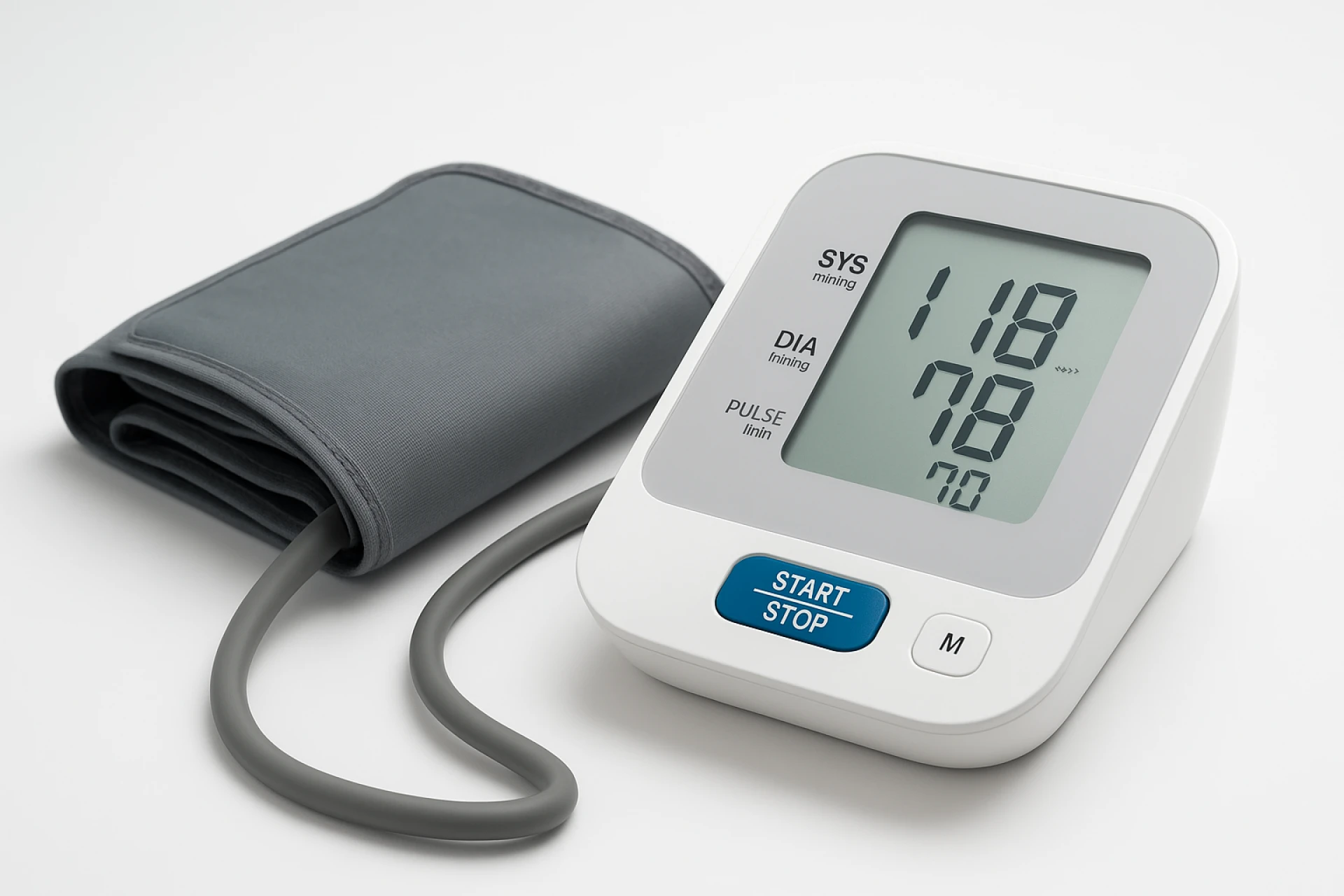

Accurate blood pressure monitoring is a critical element of modern healthcare. Healthcare professionals, care facilities, and medical supply distributors rely on dependable diagnostic devices to support hypertension management and cardiovascular risk assessment. The automatic blood pressure meter has become one of the most widely used tools for routine monitoring in hospitals, clinics, and home-based elderly care. Its ease of operation, digital measurement display, and improved consistency make it essential in both medical and consumer health environments.
This article explores automatic blood pressure meters from a professional healthcare perspective. It examines their functions, advantages, applications, selection criteria, and relevance for B2B procurement and medical supply distribution.
What Is an Automatic Blood Pressure Meter?
An automatic blood pressure meter is a digital monitoring device that measures systolic and diastolic blood pressure along with pulse rate. Unlike manual aneroid monitors, it does not require stethoscopes or specific clinical skills, making it easier to use for healthcare assistants and non-medical users.
Key components typically include:
- Digital display unit
- Cuff for arm or wrist placement
- Inflation system (manual or fully automatic)
- Memory storage and smart analysis functions in some models
The meter inflates the cuff and detects blood circulation signals through oscillometric technology. It then calculates and displays blood pressure values that help monitor cardiovascular health.
Why Accurate Blood Pressure Monitoring Matters
Persistent high blood pressure, often known as hypertension, is a major contributor to stroke, heart failure, kidney damage, and other serious medical conditions. Accurate blood pressure measurement supports:
- Early detection of hypertension
- Monitoring of prescribed treatment effectiveness
- Adjustment of medication and lifestyle interventions
- Prevention of avoidable medical complications
- Patient self-monitoring in home care settings
Medical facilities depend on reliable blood pressure meters to assess and manage patients safely.
Benefits of Automatic Blood Pressure Meters
Automatic blood pressure meters offer several advantages that support their widespread adoption across healthcare systems:
✔ Ease of use
Operation requires minimal training. Suitable for hospitals, home nursing teams, and personal monitoring.
✔ Digital and consistent measurement
Reduced risk of human error compared to manual auscultatory methods.
✔ Suitable for elderly and mobility-restricted patients
Readings are comfortable and fast. Ideal for long-term care centres and rehabilitation facilities.
✔ Memory and data tracking (model dependent)
This feature supports long-term trend monitoring and telehealth record sharing.
✔ Portable and lightweight
Useful for remote care, ambulance services, and community health programmes.
Types of Automatic Blood Pressure Meters
Although many models exist, two primary categories are widely used:
1️⃣ Upper Arm Automatic Blood Pressure Meters
Recommended for hospitals and clinical environments due to higher reading reliability.
2️⃣ Wrist Automatic Blood Pressure Meters
Useful for active home users or frequent travellers. Less suitable for certain medical conditions where wrist arteries may affect measurement accuracy.
Key Features to Consider When Procuring Units in Bulk
Medical distributors, hospitals, and care organisations should evaluate device specifications before purchasing a large quantity of units.
SpecificationImportance in ProcurementMeasurement accuracy rangeEnsures clinical reliabilityCuff size flexibilitySuitable for diverse patient groupsDisplay readabilitySupports elderly and low-vision usersPower optionsMains power, USB charge, or batteriesMemory storageAllows patient history trackingValidation complianceSupports healthcare safety standards
Where Automatic Blood Pressure Meters Are Used
These devices support multiple healthcare settings and operational needs:
🏥 Hospitals and clinics
Routine patient evaluation, emergency care, pre-surgical diagnostics.
🩺 General practitioners and medical specialists
Clinical consultation and treatment monitoring.
🧓 Elderly care and nursing homes
Incontinence care, chronic illness monitoring, and fall-risk management.
🏠 Home health monitoring
Independent management of hypertension and telemedicine reporting.
🚑 Emergency medical services
Rapid assessment during patient transport.
Best Practices for Using Automatic Blood Pressure Meters
To ensure accurate readings:
- Patients should remain seated and still during measurement.
- The cuff should fit the upper arm or wrist correctly.
- The device should be positioned at heart level.
- Multiple readings may give a clearer average measurement.
- The user should avoid caffeine, smoking, or exercise shortly before testing.
Healthcare staff should check device calibration and battery or power function regularly.
Why Automatic Blood Pressure Meters Are Essential for B2B Buyers
Business-to-business purchasing benefits include:
- Steady supply for hospitals and care facilities
- Reduced workload on healthcare staff
- Improved patient adherence to monitoring plans
- Lower risk of clinical errors
- Suitable for retail medical distribution networks
Large-scale procurement also offers cost efficiencies and predictable inventory availability across regional healthcare systems.
Conclusion
The automatic blood pressure meter is an indispensable tool in healthcare, enabling precise monitoring, early detection of risk, and effective long-term management of hypertension. Its ease of use, measurement consistency, and broad clinical application make it valuable for hospitals, elderly care providers, and medical distributors seeking reliable diagnostic equipment. Bulk procurement supports continuity of care, stable supply chains, and enhanced patient outcomes.
Medical buyers seeking dependable diagnostic solutions may explore suitable professional-grade models offered by ROMED HOLLAND.
Frequently Asked Questions (FAQs)
What accuracy should a medical facility expect?
Professional healthcare units typically expect accuracy within a validated tolerance range specified by clinical guidelines.
Are wrist models recommended for clinical use?
Upper arm models are preferred for medical decisions. Wrist monitors may be used for home tracking, but correct positioning is essential.
How long do the devices last?
Usage frequency, care, and calibration determine product lifespan. Many devices remain effective for years when maintained correctly.
Can patients share a single device?
Yes, provided the cuff is cleaned or replaced as needed and size adjustments are made appropriately.
































Sign in to leave a comment.