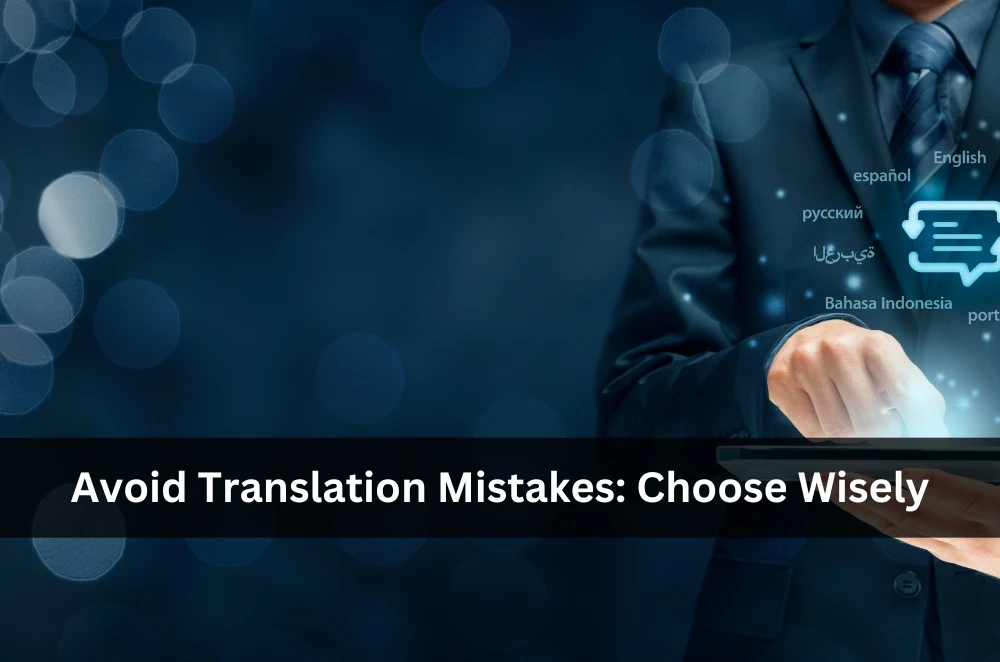

Imagine this: you’re an Aussie business owner about to seal a lucrative deal with an international partner. You’ve poured your heart and soul into this; the contracts are ready, and all hinges on a signature. But the translated documents… well, they’re a bit off. A crucial clause about liability is garbled, a key figure is miscalculated, and the whole thing feels unprofessional. That isn't some tiny hitch; that is a disaster. The companies stand at the receiving end of substantial loss through translation blunders ranging from loss of opportunities to an irreparably damaged reputation to courtroom fights. These will not only impact big companies, but the smallest could quickly become victims whenever needing business document translation Farsi to English to communicate with overseas clientele effectively. This is why the correct translation approach becomes so important.
Identifying common translation pitfalls
Translation isn't merely substituting words from one language to another. It is a complicated process that requires an in-depth understanding of context, culture, and nuances. Following are some of the common pitfalls that may be committed while undertaking translation:
- Literal translation/word-for-word translation: This is the most ordinary mistake. The effort to translate each word separately, without considering the general meaning of something, leads to nonsensical results, or even more so, very funny. For example, if translated into another language, the English phrase "it's raining cats and dogs" would leave speakers scratching their heads.
- Cultural misunderstandings: Languages contain a lot about culture. A perfectly acceptable phrase in one culture might be offensive or inappropriate in another. For example, gestures and idioms can have vastly different meanings across cultures.
- Wrong terminology/jargon: Every industry has its peculiar terminology. Using the wrong terms seriously leads to miscommunication, especially in technical or legal documents.
- Grammatical errors and syntax issues: Even when the individual words are correct, grammatical mistakes and awkward sentence structure can make a translation incomprehensible.
- Inconsistent terminology: Inconsistencies in using one term versus another for a given concept result in confusion, making the text unprofessional overall.
- Missing essential information: Accidental omission of crucial information may result in incomplete information or the carrying of meaning entirely different from the original in translation.
Understanding the consequences of inaccurate translations
Bad translations can have far-reaching and disastrous consequences, ranging from minor embarrassment to significant financial and legal repercussions.
- Damage to brand reputation: A poorly translated website or marketing material can make a business appear unprofessional and even untrustworthy, hurting its brand image.
- Loss of business opportunities: Miscommunication due to translation errors may mean lost deals, failed contracts, and ruined business relationships.
- Legal and financial consequences: Inaccurate translations of legally or financially related material could lead to legal and/or economic outcomes such as lawsuits and other losses.
- Miscommunication and misunderstanding: The essential ramifications involve misunderstandings between an individual or company in interaction.
- Dissatisfied customer: Incorrect translations may cause frustrating misunderstandings about websites, instructions, or support materials provided, which can dissatisfy your customer and contribute to negative customer feedback.
Selecting the appropriate translation method
Approaches to translation are several, each having its advantages and disadvantages:
- Human translation: This is where professional human translators, native speakers of the target language, and experts in the relevant subject matter are used. Human translation has been rated as more accurate and reliable than other methods, especially for complex or sensitive content.
- Machine translation: This is the use of software to perform automatic translations. Though this has been considerably improved in recent years, it still has its limitations, with many instances of error, particularly when handling complex or nuanced languages. It is ideal for rapid and less formal translations or vast amounts of text when high accuracy is not indispensable.
- Machine translation post-editing (MTPE): In this hybrid model, machine translation joins the features of human review and editing. A machine does the translation, and then the translator goes through the translated text to make the necessary changes to make the readings accurate and fluent.
Criteria for evaluating translation providers
The selection of a proper translation provider will make a difference in quality. Here are some of the key factors for selection:
- Qualification and certification: Check for the translator's qualification and certification by relevant authorities. Native speakers: The translators must be native speakers of their language.
- Quality assurance processes: Ask about the quality control measures that will be followed, like proofreading and editing.
- References and testimonials: Learn about the client testimonials and references to learn about the provider's reputation.
- Communication and project management: The provider should communicate well and be able to manage the project efficiently.
Steps to guarantee accurate and effective translations
Even when you are dealing with a professional translation provider, there are specific steps you can take to ensure the best possible results:
- Context and clear instructions: The translator must understand the purpose of translation, the target audience, and any terminology or style that might be used to apply all his or her ideas to achieve a good translation.
- Using a glossary or style guide: If you have specific terms or style preferences, provide a glossary or style guide to ensure consistency.
- Proofreading and editing: Always have the translated materials proofread and edited by a second linguist.
- Specialist review (For highly technical or specialised matters): People with in-depth knowledge of specific fields must provide expertise in subjects related to technique, technology, etc.
- Back translation: An increasingly used practice of retranslating the translation document into its base language is desirable for critical documents.
Conclusion
Today, and going forward, especially with increased global interactions, communication requires crossing a whole gamut of languages. While saving money by cutting corners on translations is only a short-term saving, the potential cost of translation errors far outweighs the initial savings. Quality translation is an investment in the success of your business, ensuring clarity in communication, strong relationships with international partners, and a good brand image on the global stage. Just like the different cultural backgrounds that came into play during this year's recently passed Australia Day celebrations, in which effective communication bridged divides and fostered understanding, so too embracing professional translation services offers businesses an opportunity to link with a far larger audience in the global marketplace. Choosing wisely when it comes to translation is not just about avoiding mistakes; it's about opening doors to new opportunities and building a stronger future.

























Sign in to leave a comment.