


In India, hair-care traditions have been closely connected to everyday wellness for generations. From preparing herbal oils at home to gently massaging the scalp, these practices reflect the importance of regular care and natural preparations. Although modern lifestyles have introduced countless hair-care products, many people continue to appreciate traditional approaches. An Ayurvedic Hair Tonic offers a way to explore this heritage-inspired approach while making hair care part of a regular self-care routine.
Hair can become difficult to manage because of environmental exposure, frequent styling, dryness, and unsuitable grooming habits. Understanding what your hair and scalp need is therefore an important step towards choosing appropriate products.
The Traditional Importance of Hair Nourishment
Ayurvedic hair-care practices emphasize gentle maintenance and the use of selected botanical preparations. Traditional routines often involve scalp massage, herbal oils, and natural cleansing methods.
These practices are valued for their cultural heritage and their place in Indian household grooming. A regular routine can help maintain scalp cleanliness and improve hair manageability. However, results differ between individuals depending on hair type, scalp condition, lifestyle, and other factors.
Rather than expecting an instant transformation, it is better to focus on suitable products and consistent care.
Understanding What Your Scalp Needs
A comfortable scalp is an important part of everyday hair maintenance. Excess oil, dryness, product residue, and environmental dirt may affect scalp comfort.
People with oily scalps may prefer lightweight preparations, while those experiencing dryness may look for products with conditioning properties. Choosing a product without understanding your scalp condition can make a routine less comfortable.
Gentle massage is a familiar part of traditional Indian hair care. When applying a suitable preparation, use your fingertips and avoid pulling the hair or applying excessive pressure.
The Value of Traditional Herbal Ingredients
Plant-based preparations have long been part of Indian personal-care traditions. Amla, bhringraj, brahmi, neem, and coconut oil are among the botanicals commonly discussed in connection with traditional hair grooming.
Each formulation may use a different combination of botanical components. The finished product's suitability depends on its complete composition, manufacturing quality, and directions for use.
Before purchasing a preparation, check the ingredients and look for clear information about its formulation. This is particularly important for people with sensitive skin or known ingredient allergies. A patch test can help identify possible irritation before regular application.
How to Make Herbal Hair Care Part of Your Routine
A practical routine should be easy to follow and suited to your everyday schedule. Introducing too many products at once can make it difficult to understand which preparation works comfortably for you.
Consider these simple practices:
- Clean your scalp appropriately: Use a shampoo that matches your scalp condition.
- Choose suitable preparations: Select products based on their formulation and intended purpose.
- Follow application instructions: Use the recommended quantity and frequency.
- Massage gently: Avoid scratching or rubbing the scalp aggressively.
- Reduce styling damage: Limit excessive heat and tight hairstyles.
- Observe changes: Stop using a product if irritation or discomfort develops.
These steps help maintain a more organised approach to personal grooming.
Discovering Kudajadri's Traditional Hair-Care Offering
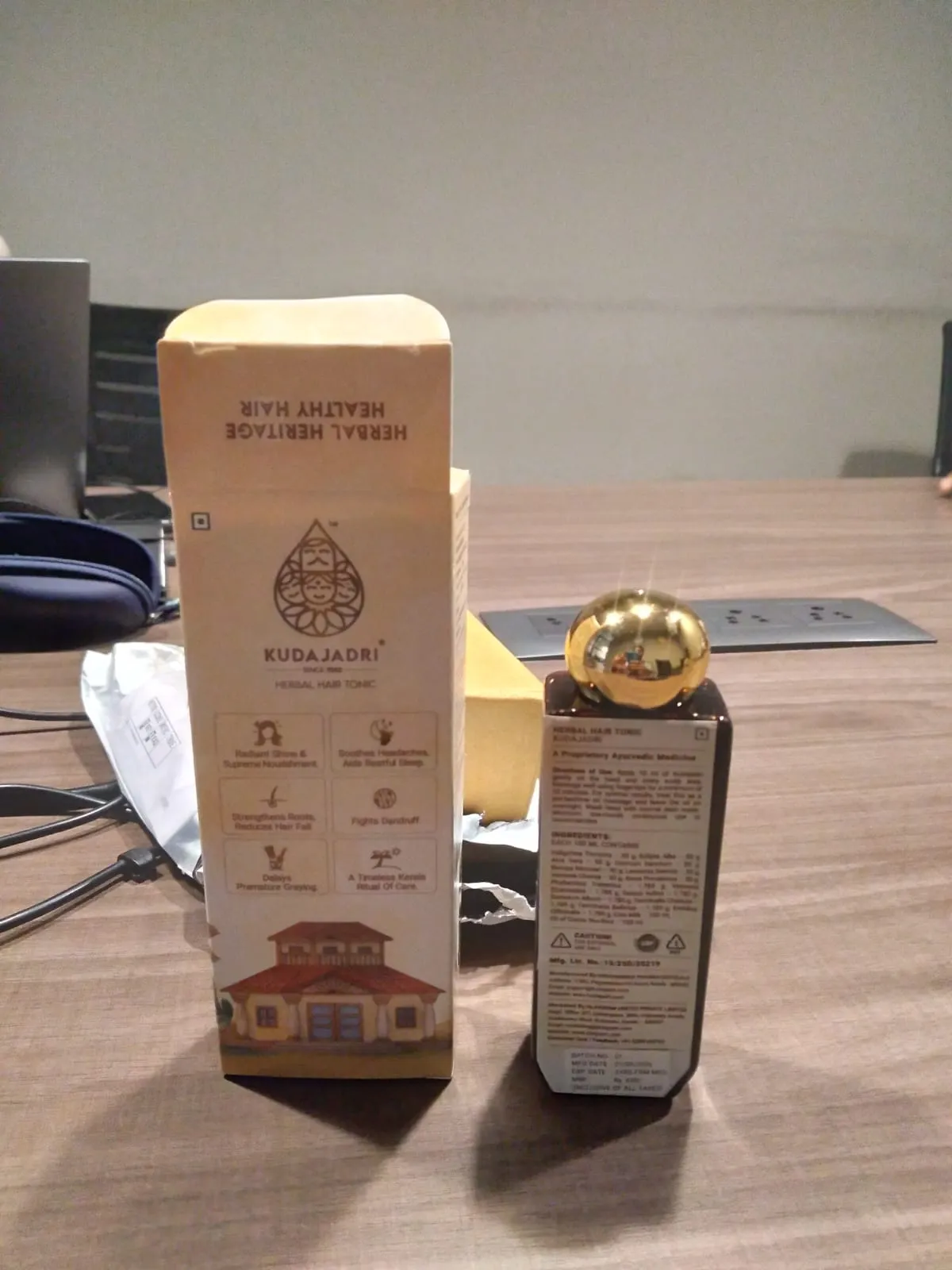
For people who appreciate traditional herbal preparations, Kudajadri Herbal Hair Tonic is an option to explore. Before choosing a product, review its available formulation details, recommended usage, and suitability information.
Consumers should avoid relying entirely on promotional promises. Although hair-care preparations can support grooming and conditioning depending on their formulation, no cosmetic product can guarantee that it will prevent or treat every cause of hair fall.
Sudden or persistent hair loss may be associated with nutritional deficiencies, hormonal changes, genetics, or medical conditions. A qualified healthcare professional can help identify the underlying cause.
Everyday Habits for Maintaining Healthy-Looking Hair
A Healthy Hair Routine includes several small habits beyond applying herbal preparations. Balanced nutrition, sufficient sleep, gentle cleansing, and appropriate conditioning all contribute to general hair maintenance.
Include nutritious foods such as leafy vegetables, fruits, lentils, nuts, and protein-rich foods in your regular meals. Avoid brushing wet hair aggressively and use suitable products for your hair texture.
Consistency is more useful than frequently switching between products based on temporary trends.
Rediscovering the Simplicity of Ayurvedic Hair Care
Traditional Ayurvedic practices offer a meaningful connection between personal grooming and India's wellness heritage. By understanding scalp needs, selecting suitable herbal preparations, and following simple daily habits, individuals can develop a hair-care routine that fits their lifestyle.
Explore Alaigram's traditional hair-care offerings to learn more about its products and make informed decisions based on your personal grooming preferences.
Branch Office: Panjikkaran Building, Mariyappally P O, Kottayam 686013
Contact: 9995647043
#AyurvedicHairGrowthOil
#BestOilforHairFall
#KudajadriPremiumAyurvedicHairTonic




















Sign in to leave a comment.