

There's a particular kind of tired that sleep doesn't fix. Your body rests, but your mind keeps running the same loop of half-finished thoughts, low-grade worry, and mental static that never quite clears. This is precisely the gap Ayurvedic healing therapy in Bali is designed to close, treating a foggy, overstimulated mind as a genuine health concern rather than something you're just supposed to push through.
Most people first hear about Ayurveda in the context of physical detox, digestion, or skin health. Fewer realize that in its original texts, Ayurveda dedicates just as much attention to the mind as it does to the body. Mental clarity and emotional steadiness weren't add-on benefits. They were treated as core markers of health.
This article looks at why that's the case, which specific Ayurvedic healing therapies in Bali are most commonly used for mental and emotional wellness, and what actually happens, physiologically and practically, when your nervous system finally gets a chance to downshift.
Why Ayurveda Treats the Mind as Seriously as the Body
Classical Ayurveda describes three fundamental qualities of the mind, called the gunas: Sattva, Rajas, and Tamas.
- Sattva represents clarity, calm, and balanced awareness
- Rajas represents overactivity, restlessness, and mental overstimulation
- Tamas represents dullness, heaviness, and mental fog or inertia
Most people living with constant notifications, packed schedules, and chronic low-level stress spend far too much time in a Rajas-dominant state, and it eventually tips into Tamas: burnout, brain fog, and emotional flatness.
Ayurvedic healing therapies in Bali are largely built around shifting the mind back toward Sattva. Not through forced positivity or willpower, but through specific physical therapies, herbs, and daily rhythms that calm an overactive nervous system enough for clarity to return on its own.
How Your Dosha Shapes Your Mental and Emotional Patterns
Beyond the gunas, Ayurveda also links your dominant dosha, Vata, Pitta, or Kapha, to distinct emotional tendencies:
- Vata-dominant minds tend toward anxiety, racing thoughts, and difficulty settling down, especially under stress or with irregular routines
- Pitta-dominant minds tend toward irritability, frustration, and an overly critical inner voice when pushed too hard
- Kapha-dominant minds tend toward low motivation, emotional heaviness, and a resistance to change when out of balance
A practitioner at a proper Ayurvedic retreat in Bali won't treat "stress" as one generic problem. Someone with a racing, anxious mind needs grounding, warming, slowing therapies, while someone with heavy, foggy Kapha-type low mood often needs stimulating, invigorating ones. This is a big part of why a personalized assessment matters more than a one-size-fits-all wellness package.
The Ayurvedic Healing Therapies in Bali Most Used for Mental Clarity
While Ayurveda includes dozens of therapies, a handful come up repeatedly when the goal is specifically mental and emotional balance rather than general detox.
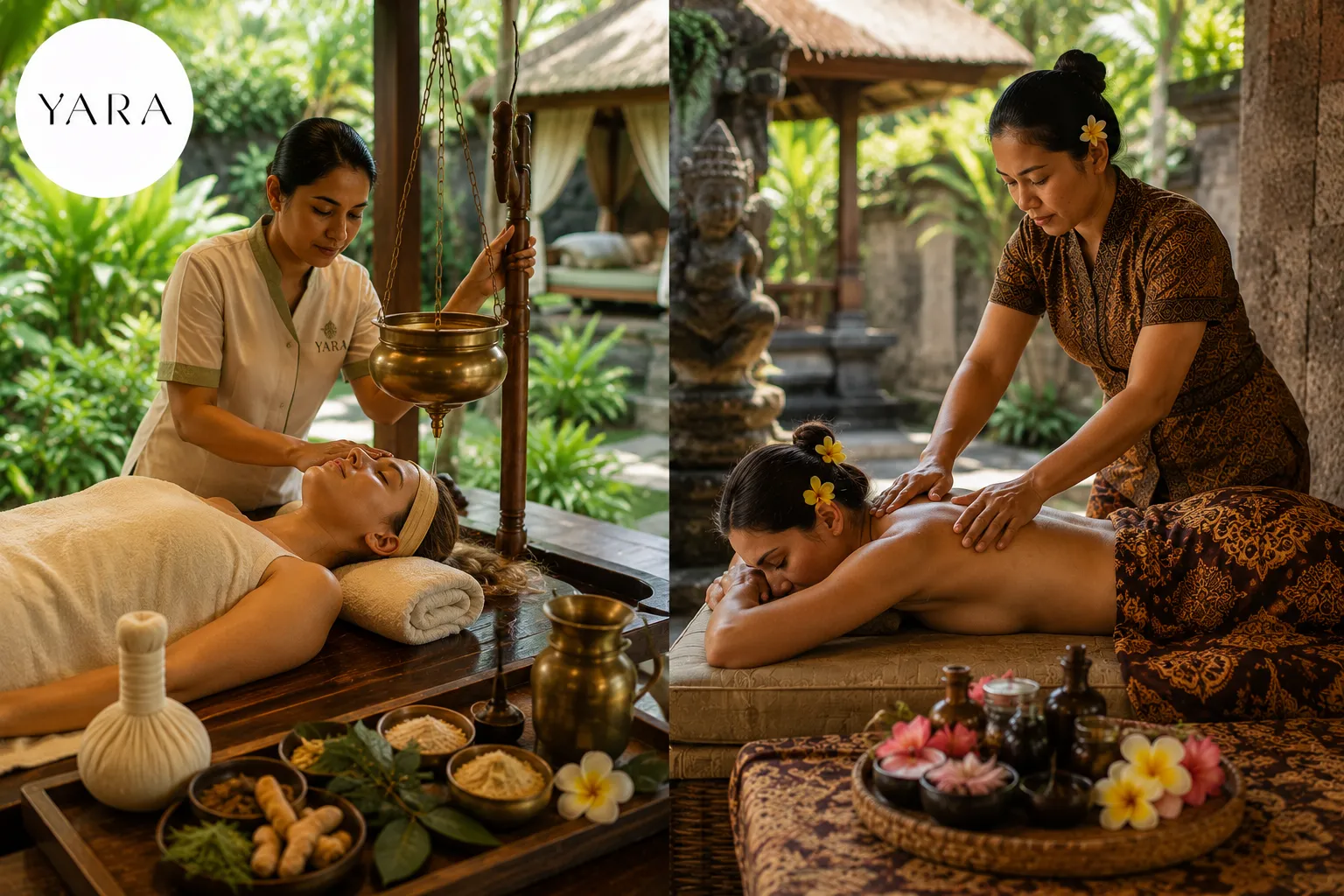
- Shirodhara – a slow, continuous stream of warm herbal oil poured over the forehead and third-eye area, widely regarded as one of the most effective therapies for calming an overactive mind and easing insomnia
- Nasya – herbal oils administered through the nostrils, used to relieve mental fatigue, sinus pressure, and a heavy or "clouded" feeling in the head
- Abhyanga – full-body warm oil massage that lowers physical tension, which in turn reduces the sensory overload that keeps the mind on edge
- Marma point therapy – gentle pressure applied to specific energy points on the body, similar in concept to acupressure, often used to release stored emotional tension
- Padabhyanga – a focused foot massage, considered surprisingly effective for grounding an anxious, Vata-type mind before sleep
Shirodhara in particular tends to stand out to first-timers. The oil itself isn't doing anything mystical, but the steady, rhythmic sensation on the forehead appears to help slow down the mental chatter that keeps people stuck in overthinking, similar in effect to how a repetitive, predictable sound can ease a racing mind.
Herbal Support for the Nervous System
Alongside hands-on therapies, Ayurvedic herbal formulas are commonly used to support mental steadiness:
- Ashwagandha, one of the most researched adaptogenic herbs, has been evaluated in multiple clinical meta-analyses that found meaningful reductions in cortisol and anxiety-scale scores, although its effect on subjective "perceived stress" has been less consistent across studies
- Brahmi (Bacopa monnieri), traditionally used to support memory and mental clarity, has shown cognitive benefits in several controlled trials
- Jatamansi, less well known outside Ayurvedic circles, is traditionally used as a calming nervine for restlessness and disturbed sleep
Herbs are typically viewed as supportive, not standalone solutions. A practitioner will usually pair them with the physical therapies and lifestyle changes rather than treating them as a quick fix on their own.
Where Balinese Healing Traditions Add Something Unique
What sets Ayurvedic healing therapies in Bali apart from a program you might find in India isn't the Ayurvedic protocol itself, since that stays fairly consistent. It's what surrounds it.
Bali has its own centuries-old healing tradition called Usada Bali, rooted in Balinese Hindu philosophy, which shares Ayurveda's core belief that physical, mental, and spiritual health are inseparable. Many retreats on the island blend the two traditions rather than importing Ayurveda in isolation.
A few Balinese elements commonly woven into these programs include:
- Melukat, a traditional water purification ritual performed at natural springs or temples, often used symbolically to support emotional release alongside Ayurvedic detox therapies
- Sound healing, using instruments like gongs or singing bowls, frequently paired with meditation sessions to deepen relaxation
- Natural immersion, with sessions often held near rice terraces, rivers, or open-air pavilions rather than enclosed spa rooms, which itself supports the calming, Sattvic state Ayurveda is aiming for
None of this replaces the clinical side of Ayurvedic care. But it does mean an Ayurvedic retreat in Bali often reaches the mind through more than one cultural and sensory pathway at once, which many people find easier to settle into than a purely clinical setting.
How These Therapies Physically Calm an Overactive Nervous System
It's worth connecting this back to something measurable rather than leaving it purely conceptual.
Chronic stress keeps the body in a sympathetic nervous system state, associated with elevated cortisol, shallow breathing, and a mind that struggles to focus on anything beyond the next perceived threat. Ayurvedic therapies work, at least in part, by interrupting that state:
- Warm oil massage and Shirodhara activate the parasympathetic nervous system, the body's "rest and digest" mode
- Slow, rhythmic touch has been shown in broader research to lower heart rate and reduce circulating stress hormones
- A calmer physical state makes it genuinely easier to concentrate, regulate emotions, and sleep, which is why people often describe feeling mentally "lighter" within a few days rather than weeks
This matters because anxiety and low mood aren't rare or isolated experiences. Global health data tracked by the World Health Organization identifies anxiety disorders as the most common mental health condition worldwide, affecting well over 300 million people. Therapies that work directly on the nervous system, not just on mindset, are addressing a genuinely physiological problem, not simply a mood.
What a Day Focused on Mental Clarity Might Look Like
A typical day at an Ayurvedic retreat in Bali built around mental and emotional wellness tends to follow a deliberately unhurried rhythm.
Mornings often begin with gentle movement or breathwork rather than intense exercise, since the goal is to settle the nervous system rather than stimulate it further. A Shirodhara or Abhyanga session might follow mid-morning, timed to when the body is most receptive to a parasympathetic shift.
Afternoons are usually left lighter, sometimes including a Balinese ritual like Melukat or a walk through nature, before an evening session of gentle yoga, meditation, or sound healing to close the day without screens or stimulation.
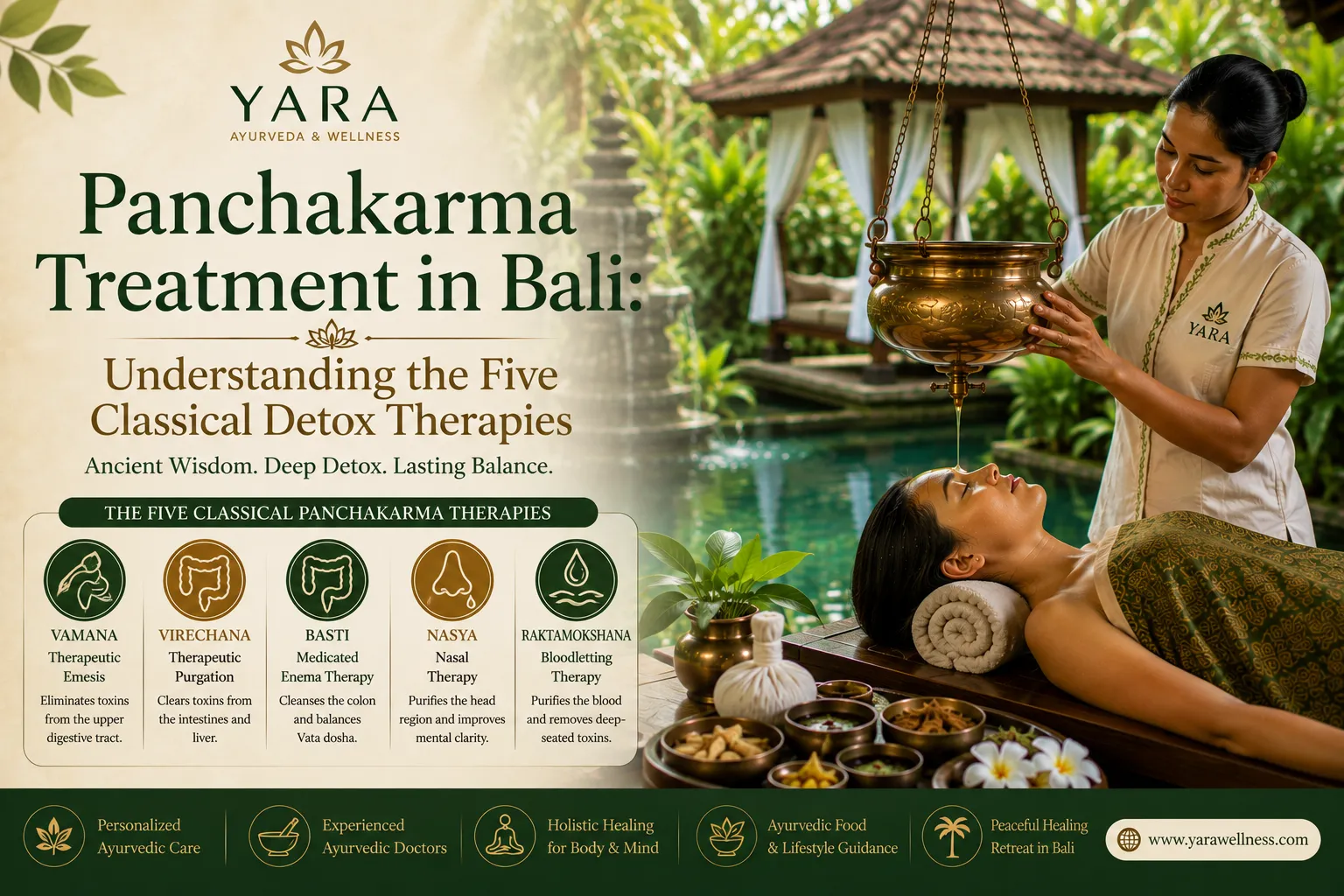
If you're weighing whether this kind of daily structure suits your temperament, it helps to read more about how a full Panchakarma treatment in Bali is sequenced, since the mental-clarity therapies described here are often built into a broader detox protocol rather than offered entirely on their own.
When Deeper Emotional Release Happens
It's worth being upfront about something people don't always expect: these therapies can bring emotions to the surface, not just calm them down.
Ayurveda holds that unprocessed emotional stress is stored physically, particularly in areas worked on during Abhyanga and Marma therapy. As tension releases, it's genuinely common to feel unexpectedly tearful, irritable, or reflective partway through a program, especially during a longer Panchakarma treatment in Bali that includes several consecutive days of therapy.
This isn't a sign that something has gone wrong. A well-run retreat will explain this possibility beforehand and build in quiet, unscheduled time specifically so there's room to process it rather than immediately move on to the next activity.
Signs You Might Benefit From This Kind of Therapy
Ayurvedic healing therapies in Bali tend to resonate most with people experiencing:
- Persistent mental fog or difficulty concentrating, even after adequate sleep
- Ongoing low-level anxiety or a mind that won't settle at night
- Emotional flatness, low motivation, or a sense of being "stuck"
- Burnout from prolonged periods of overwork or high stimulation
- A general sense that something is off, even without a specific diagnosis attached to it
None of this replaces psychiatric or psychological care for diagnosed conditions. These therapies are best understood as complementary support for stress-related mental fatigue and emotional imbalance, not a substitute for professional mental health treatment when it's genuinely needed.
How to Choose a Retreat That Actually Prioritizes Mental Health
Plenty of resorts in Bali advertise "Ayurvedic" treatments without much depth behind the label, so it's worth checking a few things before booking specifically for mental clarity or emotional balance.
- Does the intake process include questions about sleep, mood, and stress levels, not just physical symptoms?
- Is there a qualified Ayurvedic practitioner assessing your dosha and mental-emotional state, rather than a generic therapist offering the same massage to every guest?
- Are quiet, unscheduled hours built into the program, or is every hour filled with an activity?
- Does staff acknowledge that emotional release can happen, and do they have a plan for supporting it if it does?
- Is there any integration of local Balinese practices like sound healing or Melukat, or is it a purely imported Ayurvedic package with no connection to place?
If you're still narrowing down your options, it's also worth reading about how to choose the right dosha-based program before committing, since matching your constitution to the right therapies makes a measurable difference in how effective the experience actually feels.
Conclusion
Mental clarity and emotional balance were never side benefits in Ayurveda. They were treated as core measures of health, addressed just as deliberately as digestion or sleep, using specific therapies, herbs, and daily rhythms designed to calm an overstimulated nervous system.
Bali's particular blend of authentic Ayurvedic practitioners and its own long-standing Usada Bali healing traditions gives this kind of care a depth that's genuinely hard to find elsewhere, especially for anyone whose exhaustion has become more mental than physical.
Ready to Explore This for Yourself?
If a foggy mind, low-grade anxiety, or a persistent sense of emotional heaviness sounds familiar, it may be worth looking into a program built specifically around mental and emotional wellness rather than a generic spa detox. Pay attention to how thoroughly a retreat assesses your dosha and current state before assuming any package is the right fit.
Curious whether an Ayurvedic healing therapy in Bali is suited to what you're currently going through? Reach out for a consultation to talk through your symptoms, ask about therapy options like Shirodhara or Nasya, and get honest guidance before you book anything.
Frequently Asked Questions
What is the best Ayurvedic healing therapy in Bali for anxiety and racing thoughts? Shirodhara, the continuous pouring of warm herbal oil over the forehead, is the therapy most commonly recommended for anxiety and an overactive mind, often paired with grounding Vata-balancing oils and a calming herbal regimen like Ashwagandha or Jatamansi.
Can Ayurvedic therapy actually improve mental clarity, or is it just relaxation? It works through both. The physical relaxation shifts the nervous system out of a stress response, while specific therapies like Nasya and herbal support are traditionally used to directly target mental fog and sluggish concentration rather than general relaxation alone.
Is it normal to feel emotional during Ayurvedic healing therapies in Bali? Yes. Ayurveda holds that emotional tension is stored physically, so therapies like Abhyanga and Marma point work can bring up unexpected feelings as that tension releases. This is considered a normal part of the process, not a sign of a problem.
How is an Ayurvedic retreat in Bali different from a regular wellness resort? An authentic Ayurvedic retreat includes a dosha assessment by a trained practitioner, a personalized therapy and dietary plan, and structured daily rhythms built around specific imbalances, rather than a general menu of spa treatments applied the same way to every guest.
Do I need to be part of a full Panchakarma treatment in Bali to benefit from these therapies? No. Many people book individual sessions like Shirodhara or Abhyanga specifically for mental and emotional support without committing to a full multi-day Panchakarma protocol, though longer programs generally produce deeper and more lasting results.
Are Ayurvedic therapies a replacement for therapy or psychiatric treatment? No. These therapies are best used as complementary support for stress-related mental fatigue and emotional imbalance. Anyone dealing with a diagnosed mental health condition should continue working with a qualified mental health professional alongside any wellness therapies.




























Sign in to leave a comment.