
Introduction
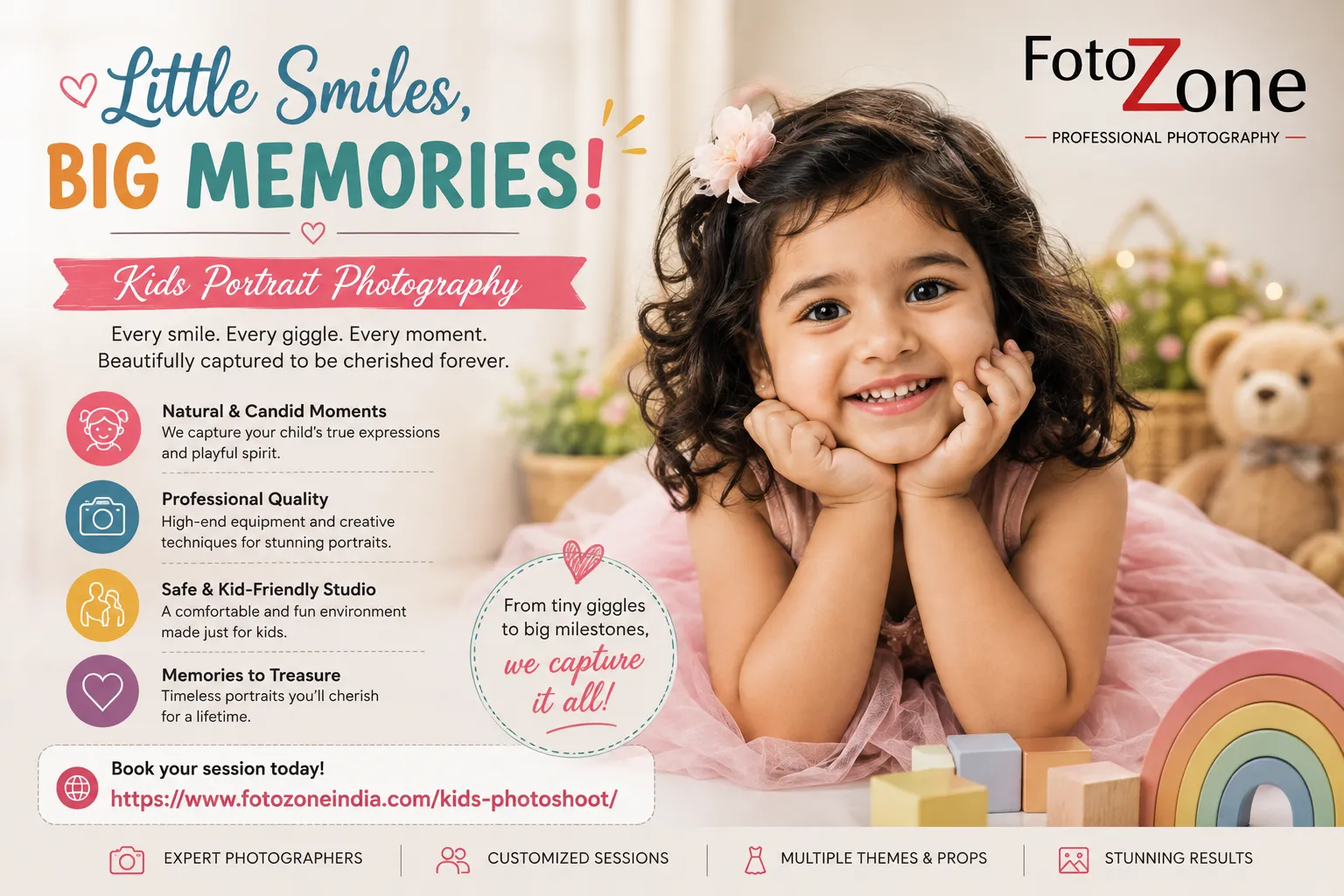
Parents often have the same question before booking a baby photoshoot: How can I make sure my baby stays comfortable and the pictures still look natural? The answer is simpler than many people expect. A successful session is less about complicated poses and more about choosing the right time, keeping the baby relaxed, and allowing enough room for natural expressions.
Babies change quickly. A sleepy smile, tiny fingers, curious eyes, or an unexpected laugh can become a treasured memory years later. With a little planning, parents can create photographs that feel personal rather than overly staged.
Here are practical answers to some of the most common questions parents have before a baby photography session.
When Is the Right Age for a Baby Photoshoot?
There is no single perfect age. The ideal timing depends on the kind of photographs you want.
For very young babies, parents may prefer peaceful images showing tiny features, sleepy expressions, and delicate details. As babies grow, they become more alert and expressive, making it easier to capture smiles, eye contact, crawling, and playful moments.
Consider these general stages:
- Newborn stage: Suitable for sleepy and close-up portraits.
- Around 3–6 months: Babies may show stronger expressions and better eye contact.
- Around 6–9 months: Sitting, reaching, laughing, and interaction can create lively photographs.
- Around 9–12 months: Crawling, standing, and playful expressions add variety.
- Around the first birthday: Cake, balloons, toys, and family interaction can create a celebration-focused session.
Instead of choosing an age because it is popular, think about the milestones your family wants to remember.
How Should Parents Prepare Before the Session?
Preparation can make a noticeable difference. Babies can become uncomfortable when they are hungry, tired, or surrounded by unfamiliar surroundings.
Try to plan the session around your baby's usual routine. A well-rested baby is generally more likely to remain comfortable and interested in the camera.
A few useful steps include:
- Feed the baby at an appropriate time before the session.
- Carry familiar toys or comfort items.
- Bring extra clothes, diapers, wipes, and feeding supplies.
- Choose comfortable outfits rather than clothing that restricts movement.
- Keep the schedule flexible.
- Avoid rushing if the baby needs a break.
Parents should also avoid expecting the baby to smile on demand. Some of the most meaningful photographs happen when children are simply observing, playing, or interacting with their parents.
What Should a Baby Wear for the Photos?
Comfort should come before fashion. A beautiful outfit is useful only if the baby can move and relax comfortably.
Simple clothing often photographs well because it keeps attention on the child's face and expressions. Soft colours, gentle patterns, and comfortable fabrics can work particularly well.
For variety, parents can prepare two or three outfits rather than bringing a large wardrobe. For example, a simple everyday outfit can be followed by a traditional dress or a special birthday outfit.
Accessories should also be used carefully. A small headband, soft toy, blanket, or meaningful family item can add personality without overwhelming the photograph.
If the session has a particular theme, discuss it with the photographer before the shoot. This helps ensure that the props, clothing, and background work together.
How Can You Make Baby Photos Look Natural?
Natural photographs usually come from allowing babies to behave like babies. Asking them to hold a pose for too long can lead to frustration or expressions that feel forced.
Instead, photographers can work around the baby's natural movements. Looking at a parent, holding a toy, reaching for something, or laughing during interaction can all create authentic moments.
Parents can help by:
- Talking gently to the baby.
- Playing familiar games.
- Singing a favourite song.
- Using a familiar toy to attract attention.
- Smiling and interacting instead of constantly looking at the camera.
For parents searching for inspiration, baby photoshoot ideas can also include themed portraits, traditional outfits, playful expressions, and simple studio setups.
The goal is not to capture the baby looking perfectly still in every frame. Small movements and spontaneous expressions often give photographs their character.
Should You Choose a Studio or an Outdoor Location?
Both options can work well, but they create different experiences.
A studio provides greater control over lighting, backgrounds, temperature, and props. This can be useful for younger babies who need a controlled and comfortable environment. It also makes it easier to create consistent portraits.
Outdoor photography offers a different feel. Natural surroundings, open spaces, and daylight can create relaxed family photographs. Older babies who enjoy movement may also have more opportunities to explore.
When choosing between the two, consider:
- The baby's age and temperament.
- Weather conditions.
- Travel time.
- Privacy and comfort.
- The type of photographs you want.
- Whether the location has suitable facilities for feeding and changing.
For some families, a combination can be ideal. A few studio portraits can document the baby's features, while outdoor photographs can capture interaction and movement.
What If the Baby Does Not Cooperate?
This is one of the biggest concerns parents have, and it is completely normal.
Babies may cry, become sleepy, refuse to look at the camera, or suddenly lose interest. None of this means the session has failed.
A good photographer should be prepared to pause when necessary. Feeding, changing, cuddling, or taking a short break can help the baby settle.
Parents should also avoid putting pressure on themselves. Babies do not follow a script, and some of the best photographs may come from moments that were not planned.
If the baby is having a difficult day, patience is more valuable than trying to complete every planned pose. The photographer can adapt the session according to the baby's mood.
Conclusion
A memorable baby photoshoot does not require elaborate poses or complicated setups. Comfortable clothing, sensible timing, familiar interactions, and a patient approach can make the experience easier for both parents and babies.
Most importantly, focus on documenting your child's personality at that particular stage. A tiny smile, curious expression, sleepy face, or playful moment may seem ordinary today, but those details can become some of the family's most valuable memories later.
If you are planning a session, choose a photographer who understands how to work patiently with babies and discuss your ideas before the shoot. With the right preparation, you can turn a short photography session into a collection of meaningful memories.


















Sign in to leave a comment.