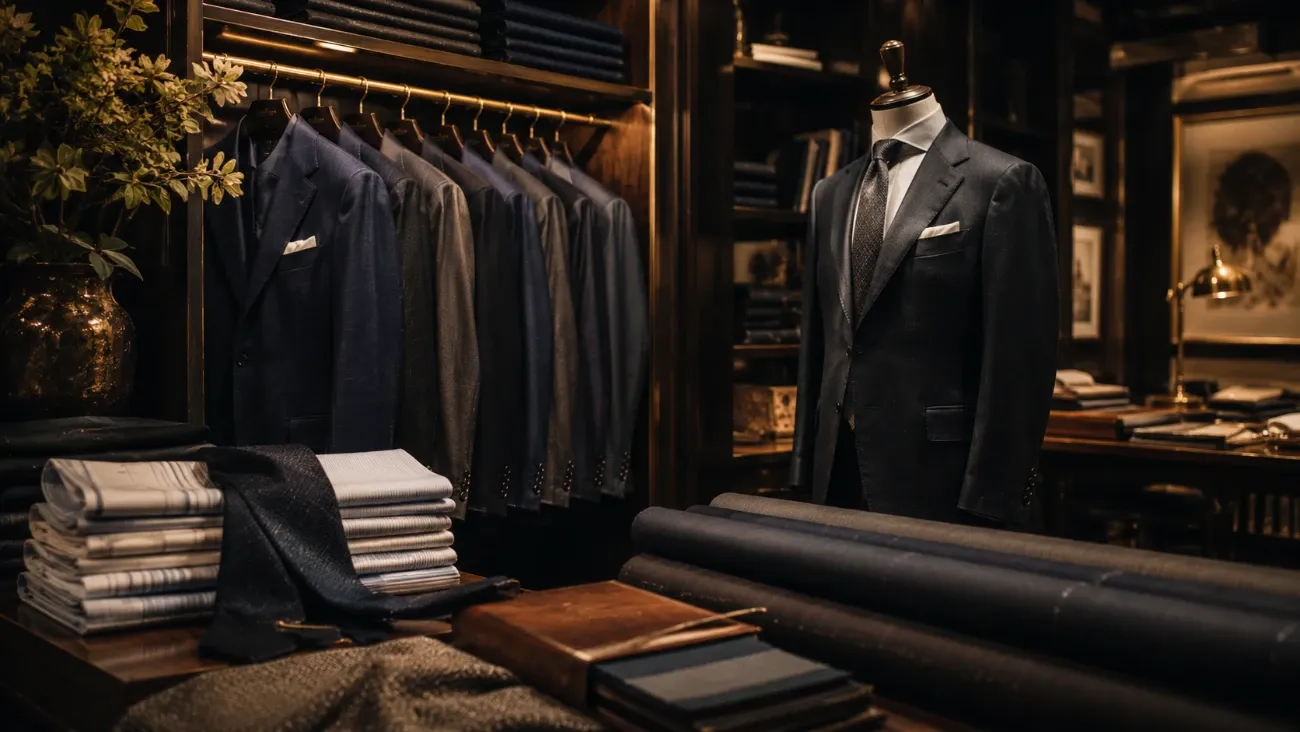

Bangkok is a popular destination for travelers looking for a well-fitted suit, whether they need something for business, a wedding, a formal event, or simply want to add a custom garment to their wardrobe. But if you have never visited a tailor before, the process can feel unfamiliar.
From choosing the right fabric to discussing the fit, style, and number of fittings, there are several things worth understanding before you walk into a tailor shop.
This Bangkok suit shopping guide explains what to prepare, what questions to ask, and what to expect during the tailoring process.
Decide What You Need the Suit For
Before visiting a tailor, think about how and where you plan to wear the suit.
A suit for daily business use may require a different fabric and design from one intended for a wedding or special occasion. Similarly, a suit that will be worn regularly in Bangkok's warm climate may benefit from lighter and more breathable materials.
Consider:
- Business or office wear
- Weddings and formal events
- Evening occasions
- Travel
- Regular everyday use
- A versatile suit for multiple occasions
Knowing the purpose beforehand makes it easier to discuss fabric, colour, construction, and styling with the tailor.
Choose a Fabric That Matches Your Lifestyle
Fabric is one of the most important decisions when ordering a suit. Bangkok's warm and humid climate makes breathability and comfort particularly important.
Lightweight wool, linen, cotton, and certain fabric blends can be suitable depending on the occasion and the desired look. Lightweight wool, for example, can provide a balance of structure, comfort, and wrinkle resistance, while linen is known for its breathability but naturally develops more creasing.
Instead of choosing a fabric simply because it looks attractive in the sample book, ask how it will perform in the conditions where you plan to wear the suit.
A tailor should be able to explain the fabric's composition, weight, texture, and suitability for your intended use.
Think About the Fit Before the Fitting
A tailored suit should feel comfortable while still creating a clean silhouette.
Before your appointment, think about the fit you prefer. You might like a traditional cut with more room through the body, or you may prefer a more contemporary silhouette.
During your consultation, discuss:
- Shoulder fit
- Jacket length
- Chest and waist shape
- Sleeve length
- Trouser rise
- Trouser length
- Leg width
- Overall ease and comfort
Don't be afraid to explain how you normally move in your clothes. A suit that looks good while standing still should also allow you to sit, walk, and move comfortably.
Know the Difference Between Style and Fit
It is easy to focus heavily on details such as lapels, buttons, pockets, and colours. These choices matter, but they should work alongside the overall fit.
For example, a particular lapel style may look excellent in a photograph but may not be the right choice for the proportions or purpose of your suit.
A good consultation should consider the complete garment rather than treating every design element separately.
If you are still researching your options, looking at different bespoke suits can help you understand the range of styles and customisation choices available before your appointment.
Prepare for the Measurement Process
Your measurements form the foundation of a tailored suit, so the appointment should involve more than simply measuring your chest and waist.
A tailor may consider measurements and observations such as:
- Chest
- Waist
- Hips
- Shoulder width
- Sleeve length
- Jacket length
- Trouser length
- Thigh and knee measurements
- Posture
- Shoulder slope
- Body proportions
Small differences between the left and right sides of the body are normal. A good fitting process takes these differences into account when making adjustments.
Bring Reference Photos If You Have a Specific Look in Mind
If you already know what you want, reference photographs can make the consultation easier.
You could bring examples showing:
- Preferred jacket silhouette
- Lapel width
- Trouser shape
- Pocket style
- Button configuration
- Colour combinations
- Wedding or business suit styles
However, don't expect the tailor to reproduce a photograph exactly. Your body shape, fabric choice, and intended use may require adjustments to the design.
Use photographs as a starting point for discussion rather than as a strict template.
Ask How Many Fittings Are Included
One of the most important questions to ask before ordering is how the fitting process works.
Depending on the tailor, garment, construction, and schedule, you may have an initial measurement and consultation followed by one or more fittings. The purpose of these fittings is to identify areas that need adjustment before the garment is completed.
Ask:
- When will the first fitting take place?
- How many fittings are normally required?
- What happens if the fit needs further adjustment?
- How long does the complete process take?
- Can alterations be made after the final fitting?
The answers can help you plan your trip and avoid leaving Bangkok before the garment has been properly checked.
Give Yourself Enough Time
If you're traveling to Bangkok specifically to have a suit made, don't assume that the entire process should be completed immediately.
Turnaround times vary depending on the tailor, fabric availability, garment construction, fitting requirements, and workload. A more detailed fitting process may require additional time.
If your suit is for a wedding, business event, or other important occasion, tell the tailor your deadline at the beginning of the consultation.
This allows the tailor to explain what can realistically be completed within your schedule.
Set a Budget Before You Start Shopping
Suit prices can vary considerably depending on fabric, construction, customisation, and tailoring.
Before visiting a tailor, decide approximately how much you are comfortable spending. You can then ask what is included in the quoted price.
Don't compare suits based only on the starting price. Ask about:
- Fabric quality
- Construction
- Number of fittings
- Customisation options
- Alterations
- Delivery or collection
- Additional charges
This makes it easier to compare different options based on what you are actually receiving.
How to Choose a Tailor in Bangkok
There are many tailoring options in Bangkok, so it is worth doing some research before making a decision.
Look at the tailor's experience, garment examples, customer feedback, fabric options, fitting process, and communication. If possible, ask specific questions rather than choosing solely based on a low advertised price.
You can also review the tailor's custom suit collection to understand what styles and services are available before arranging a consultation.
The most important thing is to choose a tailor whose process matches your expectations, budget, timeframe, and desired level of customisation.
Questions to Ask Before Ordering
If you're visiting a Bangkok tailor for the first time, these questions can help you understand the process:
- What fabrics are available for the type of suit I need?
- Which fabrics are suitable for Bangkok's climate?
- How many fittings are included?
- How long will the suit take to complete?
- What construction options are available?
- What alterations are included?
- Can I customise the lapels, pockets, buttons, and lining?
- What happens if I need an adjustment after the final fitting?
- What information do you need from me before starting?
- Can the finished suit be delivered if I leave Bangkok before completion?
A professional consultation should give you clear answers before you commit to the order.
Final Thoughts
Buying a suit in Bangkok can be a straightforward experience when you know what to expect. The key is to arrive prepared, understand your intended use, choose a suitable fabric, communicate your preferred fit, and allow enough time for the fitting and alteration process.
Rather than focusing only on price or speed, consider the complete tailoring experience. A well-planned consultation gives you a better opportunity to end up with a suit that fits comfortably, suits your personal style, and works for the occasions where you intend to wear it.





















Sign in to leave a comment.