Bathroom Renovation Service Sydney: What to Know First


Most people start a bathroom project by scrolling through tile photos. That’s fun, but it’s rarely where the big decisions are made. The choices that decide whether your bathroom still looks good, and stays dry, ten years from now are mostly hidden behind the walls: the waterproofing, the plumbing layout, the quality of the subfloor and the person who signs off the work.
If you’re comparing a bathroom renovation service in Sydney, you’re really choosing a team to manage a dozen trades, a tight space and a lot of moving parts. This guide walks through what actually matters, from licensing and strata approvals to realistic timelines and the questions worth asking before you sign anything. It’s written for homeowners who want to make a calm, informed decision rather than a rushed one.
Start With the Problem, Not the Tiles
Before you contact anyone, write down why you’re renovating. The reason shapes the whole scope.
- Leaks, damp or lifting tiles: You may need a full strip-out and new waterproofing, not just a cosmetic refresh.
- A dated layout: Moving a toilet or shower changes the plumbing and drainage, which affects cost and timing.
- Safety and access: Older family members may need a hobless shower, grab rails, slip-resistant floors and better lighting.
- Resale or lifestyle: A cohesive update with good fixtures often matters more than expensive finishes.
A clear brief helps every quote you receive land on the same page, which makes comparing them far fairer.
The Parts You Can’t See Decide Everything
Think of a bathroom like a boat hull. The finish is what you admire, but the watertight layer is what keeps the house healthy. In Australia, wet-area waterproofing is governed by standards such as AS 3740, and it’s one of the few places where cutting corners can quietly damage framing, ceilings and neighbouring rooms for years before anyone notices.
When you talk to a bathroom renovation service in Sydney, ask:
- Who applies the waterproofing membrane, and are they licensed?
- How many coats are applied, and is there a curing period before tiling?
- Will you receive a waterproofing certificate at the end?
- What warranty sits behind the work?
If the answers are vague, treat that as information.
Licences, Contracts and Paperwork in NSW
In New South Wales, residential building work above a set value threshold generally requires a licensed contractor and a written contract, and larger jobs trigger extra requirements such as home warranty insurance and limits on deposits. Plumbing and electrical work must also be done by appropriately licensed tradespeople, and plumbers issue a compliance certificate on completion.
Thresholds and rules change, so check the current requirements with NSW Fair Trading before you commit. A reputable contractor won’t mind you asking for licence numbers, and you can verify them yourself online in a few minutes.
Living in a Strata Unit? Read This Before Booking
Apartment renovations come with an extra layer. In many strata schemes, the waterproofing membrane is treated as common property, so changes to wet areas usually need approval from the owners corporation, and there may be rules about working hours, noise, lift bookings and floor protection.
A practical example: an owner in an inner-city apartment signs a quote, then discovers the building requires a formal application that takes weeks to approve. The renovation start date slips, the tiles are already ordered and the schedule falls apart. Raise strata early. Good contractors will have dealt with it before and can tell you what documents the committee is likely to ask for.
What a Realistic Timeline Looks Like
A bathroom renovation isn’t a weekend job, and anyone promising one should explain how. Broadly, the work flows like this:
- Design, measurements and product selection
- Demolition and strip-out
- Plumbing and electrical rough-in
- Waterproofing and curing
- Tiling and grouting
- Fit-off of vanity, tapware, mirrors and accessories
- Final clean, inspection and handover
Total duration depends on the size of the room, whether the layout changes and how long custom items take to arrive. Many full renovations take several weeks, and delays often come from late deliveries or surprises found after demolition, such as old pipework or rotted flooring. Build a little breathing room into your plans, and decide in advance where you’ll shower.
Reading a Quote Without Getting Lost
Two quotes for the “same” bathroom can look very different on paper. Usually the gap comes from what’s included. Check whether each quote covers:
- Demolition and rubbish removal
- Waterproofing and any floor levelling
- Tiles, adhesives and grout, or just labour for laying them
- Plumbing and electrical fit-off
- Allowances for fixtures, and what happens if you choose something pricier
- A clear process for variations if the scope changes
A low price that leaves out half of this list tends to grow later. A well-itemised quote, even when it’s higher, usually tells you more about how the contractor works.
Finding a Team You Can Trust
Reviews and photos help, but conversations tell you more. Notice whether the contractor listens, explains trade-offs plainly and visits the site before quoting. Ask to see completed work similar to yours, and ask how they handle communication during the job.
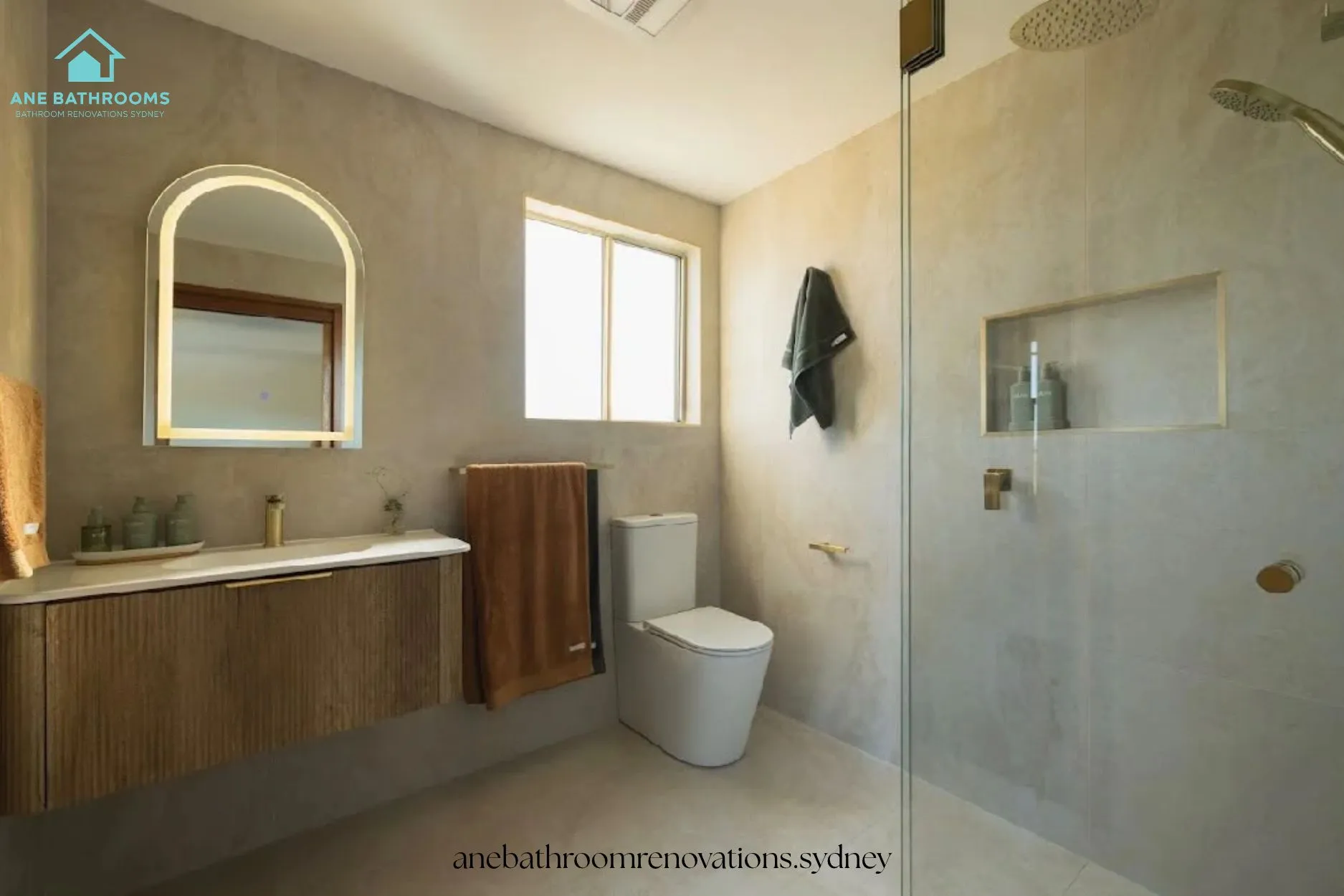
Some local renovators publish their process and project examples openly, which makes it easier to judge their approach before you pick up the phone. For instance, Ane Bathroom Renovations in Sydney shares details of the services it offers, which is a useful reference point when you’re building your own checklist of what a thorough provider should cover.
Final Thoughts
Choosing a bathroom renovation service in Sydney comes down to a few sensible habits: define your reasons, respect the hidden work, check licences and strata rules, compare quotes line by line, and pick a team that communicates clearly. None of it is complicated, but skipping any step is how small oversights turn into expensive repairs.
Take your time with the early decisions, because they’re the cheapest ones to get right. A well-planned bathroom should feel good on day one and still feel solid years later, and that outcome starts long before the first tile is laid.






Sign in to leave a comment.