
Puppies love to explore the world with their mouths. From chewing toys to nibbling on household objects, this behavior is a normal part of their development. Providing appropriate chew toys can help keep young dogs occupied while giving them a safe outlet for their natural chewing instincts. However, puppies have developing teeth, smaller mouths, and different chewing habits from adult dogs, so selecting suitable products requires extra care.
Beef hide chews for puppies may seem like an appealing option for owners looking for natural chewing treats, but they are not suitable for every young dog. These products are made from processed cattle hide and are often designed to provide a firm, lasting chewing experience. While some adult dogs tolerate hide chews, puppies may face additional risks, including choking, swallowing large pieces, digestive upset, and damage to developing teeth. Understanding these concerns can help you make a better decision for your puppy.
What Are Beef Hide Chews for Puppies?
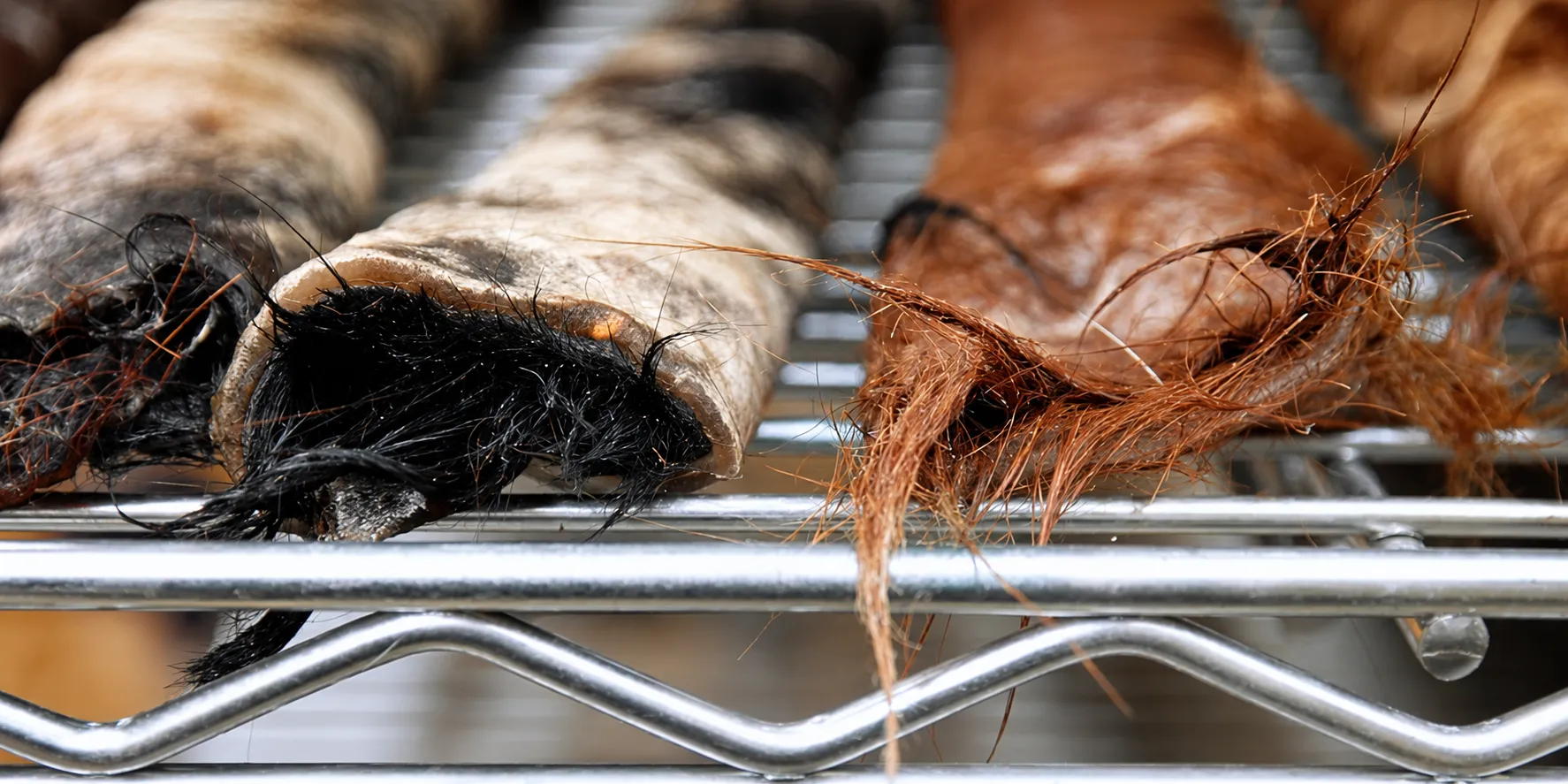
Beef hide chews are dog treats made from cattle skin that has been cleaned, processed, and dried into different shapes. Common varieties include rolls, chips, strips, and other chewable pieces.
These chews are generally firm and can soften as a dog works on them. However, their texture, thickness, ingredients, and manufacturing methods vary by product. Some contain additional flavorings or coatings, while others are made primarily from hide.
Although certain products may be marketed for smaller dogs, that does not automatically mean they are appropriate for puppies. Age, tooth development, mouth size, and chewing behavior are important considerations. Always check the product's minimum age guidance and consult your veterinarian before introducing an edible hide chew to a young dog.
Are Beef Hide Chews Safe for Puppies?
Puppies require special consideration because their baby teeth and adult teeth develop over time. They may also chew enthusiastically without knowing when to stop or attempt to swallow pieces that are too large.
Potential risks include:
- Choking: A puppy may swallow a piece that becomes lodged in the throat.
- Digestive blockage: Large swallowed pieces can obstruct the stomach or intestines.
- Dental damage: Hard or dense chews may injure teeth, including developing adult teeth.
- Digestive upset: Some puppies may experience vomiting, diarrhea, or abdominal discomfort.
- Ingredient sensitivities: Individual puppies may react poorly to particular ingredients.
For these reasons, beef hide chews are not the best default choice for young puppies. A veterinarian can help determine whether a particular product is suitable for your puppy's age, size, dental development, and health.
Why Do Puppies Need Appropriate Chew Toys?
1. Support Normal Chewing Behavior
Chewing is a natural behavior, and puppies often become more interested in it during teething. Appropriate toys can provide an outlet for this behavior while helping redirect attention away from shoes, furniture, and other household objects.
Choose products specifically designed for puppies, with clear age and size guidance.
2. Provide Mental Stimulation
Chewing and interacting with toys can help puppies stay engaged. Combining appropriate chew toys with short training sessions, play, and supervised exploration can support a varied daily routine.
3. Encourage Healthy Habits
Offering suitable toys helps puppies learn which objects are appropriate to chew. Consistent supervision and positive redirection are important parts of this process.
A chew toy should not replace exercise, social interaction, training, or rest.
Safer Alternatives to Beef Hide Chews for Puppies
If you are concerned about the risks of beef hide, consider alternatives designed specifically for young dogs.
Puppy-Specific Rubber Toys
Soft, appropriately sized rubber toys can provide a reusable chewing option. Select a product designed for your puppy's age and chewing strength, and replace it if it becomes damaged.
Puppy Teething Toys
Teething toys are designed to give young dogs something appropriate to mouth as their teeth develop. Follow the manufacturer's age recommendations and avoid products that are excessively hard.
Puppy-Appropriate Food Treats
Small, soft treats designed for puppies can be useful during training. Account for their calories within your puppy's daily diet and introduce new foods gradually.
Veterinary-Approved Dental Products
Some dental products are designed for specific age groups and sizes. Confirm that a product is suitable for your puppy rather than assuming that adult dental chews are appropriate.
Important: Supervise your puppy with any chew or toy. No product is completely risk-free, and items that become damaged or small enough to swallow should be removed promptly.
How to Choose the Right Chew for Your Puppy
Before buying a chew, consider these important factors:
- Age suitability: Check the recommended minimum age and whether the product is designed for puppies.
- Size: Avoid products that your puppy could swallow whole.
- Texture: Choose a chew that is appropriate for developing teeth; excessively hard items can cause dental injuries.
- Ingredients: Read the label and check for ingredients your puppy may not tolerate.
- Durability: Inspect toys and edible chews frequently for loose pieces or damage.
- Supervision: Watch your puppy throughout every chewing session.
If your puppy has dental concerns, digestive problems, or a tendency to gulp treats, seek veterinary advice before introducing new chews.
Can Puppies Have Natural Beef Hide Treats From Ugly Chews?
For owners interested in natural dog chews, Ugly Chews offers cattle-hide products with an emphasis on simple processing, sun-drying, and a zero-waste approach.
However, the company's hide chews should not automatically be considered puppy-safe simply because they are natural or minimally processed. Product suitability depends on the puppy's age, chewing behavior, size, and tooth development.
Before purchasing, review the individual product details and contact the company if its minimum recommended age or puppy suitability is unclear. You can visit Ugly Chews to review its range of natural dog treats and hide chews.
For very young puppies, a puppy-specific chew toy is generally a more appropriate starting point than an edible hide chew.
When Can Puppies Start Having Beef Hide Chews?
There is no single age at which every puppy can safely begin chewing beef hide. Read the manufacturer's minimum-age guidance and discuss the product with your veterinarian, especially while your puppy's adult teeth are developing.
Even when a puppy is old enough for a particular product, supervision remains essential. Remove the chew if it softens into a swallowable piece, begins breaking apart, or appears too hard for your dog's teeth.
If your puppy swallows a large piece, contact your veterinarian promptly. Difficulty breathing requires emergency veterinary care, while vomiting, abdominal pain, or repeated retching warrants urgent assessment.
Frequently Asked Questions
1. Are beef hide chews good for teething puppies?
They are not the best default option because of choking, digestive blockage, and dental injury risks. Puppy-specific teething toys are generally a better starting point.
2. Can an eight-week-old puppy have beef hide chews?
Do not introduce beef hide chews to a very young puppy without veterinary guidance. Use age-appropriate puppy toys instead.
3. Are natural beef hide chews automatically safe for puppies?
No. Natural ingredients do not eliminate choking, digestive, or dental risks. Product size, texture, and chewing behavior matter.
4. What is the best alternative to beef hide for puppies?
A suitably sized puppy-specific rubber chew or teething toy is often a practical alternative. Select products according to your puppy's age and chewing strength.
5. Should I supervise my puppy while chewing?
Yes. Supervise every session and remove toys or treats that become damaged, loose, or small enough to swallow.
Conclusion
Beef hide chews may appeal to dogs that enjoy firm, long-lasting treats, but puppies need extra protection while their teeth and chewing habits develop. Choking, digestive obstruction, and dental damage are important concerns, so puppy-specific chew toys are generally a more appropriate starting point.
If you are considering products from Ugly Chews, check the details of each item and confirm its suitability for your puppy before ordering. Prioritize age-appropriate products, close supervision, and veterinary advice to help make chewing a safer part of your puppy's daily routine.















Sign in to leave a comment.