Before installing Solar on a Rural Property, there are things you should know.

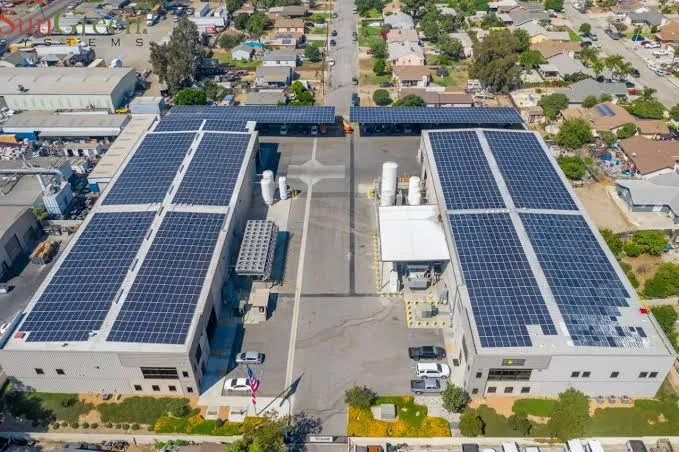
Interested in solar energy for your rural property? You should know how much electricity is used in the property before selecting panels, batteries, or an off-grid solar system, as well as the types of equipment that will run and if the site is suited to solar.
Rural properties may have different energy needs from a typical home. The location of multiple buildings, remote areas, sheds and pump stations can all affect system design. Therefore, the optimal rural property solar systems design should be based on the property's actual energy requirements, rather than choosing the lowest-cost system or simply installing the maximum number of panels.
Why a Rural Property requires a different Solar Assessment?
Electricity can be used on a rural property for much more than household appliances.
Electric fencing and other buildings, water pumps, irrigation equipment, refrigeration and workshops all make up the electricity needs of the property. There are also high start-up loads in some equipment which must be taken into consideration in determining the selection of inverter and components.
The property can present other problems. Buildings can be separated by significant distances; access for installers may be restricted; large roof and/or ground areas or a lack of a convenient connection to the electricity grid.
For this reason, an appropriate appraisal should consider the entire property rather than the primary residence.
What is the best way to determine the energy needs of your property?
Begin at the end, with your actual electricity usage. Bill data can give a general indication of how much energy the property uses, but may not be sufficiently detailed if you use pumps, motors, workshops etc. that use a lot of energy.
Look at when electricity is being used as well as how much is being consumed.
For instance, a home that consumes a lot of electricity at night would have different solar needs than a home that consumes a lot at day. Changes that are planned for the future should also be taken into account. There is potential for the electricity demand to rise in the future with the addition of a workshop, pump, electric vehicle and/or extra accommodation.
There is also a difference between kW and kWh, which needs to be understood. The "Kilowatts" indicate the energy capacity and the "Kilowatt-hours" refer to the quantity or amount of energy consumed or stored over a period of time.
It's important to look at energy use per day as well as the peak energy Use in the property in a useful solar assessment.
Solar panels come in various types, and there are a number of considerations to make before installing them.
The site must be evaluated before the selection of equipment is made.
You should look at the roof or ground space available, the condition of the roof, the direction and slope of the roof. Panels can be shaded by trees and other buildings and shading reduces the amount of sunlight reaching the panels.
Access also matters. Rural properties may have longer distances to install and/or may have uneven terrain or difficult access for installation equipment. When installing multiple buildings, the installer should take into account how the buildings will be connected and the location of the inverter, battery and other electrical equipment.
It’s not simply a case of having more roof area meaning a better solar system. As Rural Solar explains, the usable roof area, actual energy demand and overall system design all need to work together to create a practical and efficient solution.
The Australian Government offers the following items as design considerations: Roof size, Roof orientation, Roof slope, Shading and site conditions.
Grid Connected vs Off-Grid Solar: What is Best for You?
One of the most significant decisions for a rural property.
A grid-tied solar energy system will still be connected to the electrical grid. Solar energy can contribute to lessened electricity usage from the grid and surplus electricity generated can be exported if the grid and energy plan permits.
Off Grid , a system that is run separately from the electrical grid. It requires additional generation and storage if its production is low at certain times of the day or year when the property's needs are high. A back-up generator might also be necessary, depending on the design and conditions.
Off-grid systems can be useful for remote properties were connecting to the grid is unavailable, impractical or costly. But they need to be planned more carefully, as there is no grid to support the delivery of extra electricity during times of insufficient solar generation and battery storage.
Australian Government recommends carefully considering battery storage, backup generation and energy demand when designing an off-grid system.
What is the proper size for solar system?
No one size fits all when it comes to a solar system size on the properties of rural land owners.
The correct dimensions are dependent upon:
- Current electricity consumption
- Peak power demand
- Daytime and night-time usage
- Solar exposure
- Available installation space
- Battery requirements
- The inability to access a grid or network. Limits on accessing a grid or network.
- Future energy requirements
It can be just as counterproductive to select a system because it has more panels as it can be to select a system that is too small.
The aim is to ensure that generation and storage are balanced to the actual use of electricity on the property.
When requesting quotes, ask the installer how they arrived at the proposed system size. An estimate is far more useful if you know the things that were used in the generation of the energy and what the assumptions were as well as what you will need in the future.
Are Rural Properties Solar Battery Ready?
Not all rural properties require a battery.
Surplus solar energy is stored in a battery for use later, e.g. at night or during early morning. This can lead to a higher share of solar electricity being consumed on site and less use of grid electricity.
A lot of properties that draws a lot of its energy requirements in the evening hours or require backup power can be more relevant to battery storage. On battery storage, it is usually a much more significant portion of the on-grid system for an off-grid property.
Batteries do also add to the initial price of a solar system though. Therefore, the decision should take into account the amount of electricity that the property is consuming, when it consumes it, the excess solar production available, the size of the battery required and the expected return on investment.
A battery, which is really a battery bank, must meet a specific energy requirement, not just because it is included in a popular solar package.
Will Solar Power Pump and Rural Equipment?
This is where solar planning for rural applications can get more technical.
Solar power may be required at a property for:
- Bore pumps
- Water pumps
- Irrigation equipment
- Refrigeration
- Workshops
- Electric fencing
- Hot water
- Air conditioning
- Machinery charging
These loads should be included in the system assessment.
The starting power of a pump or motor might be significantly higher than the operating power. An otherwise promising looking system may fail to operate as desired if this initial demand is not addressed.
If there is substantial equipment, inform the installer what it is, how often is it run and if more than one high load appliance will run simultaneously.
Here's one reason why it's better than a one-size-fits-all package for solar energy on a residential home.
So What Happens When Solar Generation is Low?
Solar generation varies across the year, and the day.
The solar resource can vary based on weather, seasons, shading, and increased electricity usage.
Electricity generation from the grid can usually provide extra power when solar power is needed, for a grid connected property.
This is a different requirement for an off-grid house. It must be sized to fit into solar production low periods. Public water pumps, refrigeration and communications are also important essential loads that may need to be prioritized.
Consider the worst-case scenario, not just a sunny day.
If back-up power is a critical need, ask the installer just what appliances will run during a power outage and for how long.
Does the solar automatically operate during the black out?
No.
This is a key factor that is often overlooked.
Typical grid-tied solar systems typically stop working during energy outages. This will safeguard the employees who are performing work on the network.
When using solar or battery power during an outage, the system must be configured and have the proper backup function.
Ask specifically about:
- Backup circuits
- Essential loads
- Battery backup
- Inverter capability
- Automatic changeover
- Expected backup duration
It is not necessarily the case that solar panels provide emergency power to a property.
What is the price of Solar for a Rural Property?
The cost of a rural installation varies from one to another.
The price will vary depending on:
- Solar system size
- Battery capacity
- The selection of panels and inverters. The choice of panels and inverters.
- Mounting on the roof or the ground.
- Property access
- Distance between buildings
- Additional cabling
- Switchboard upgrades
- Off-grid equipment
- Installation complexity
There could be significantly different needs between a simple rural house and a remote property with multiple buildings, water pumps and a large battery bank.
When comparing prices, don't just go by the headline price. Verify equipment, electrical work, installation, monitoring, warranties and other services included.
How to compare solar quotes?
A good quote should allow the proposed system to be easily understood.
Check the:
- Solar system capacity
- Panel specifications
- Inverter specifications
- Battery capacity
- Expected generation
- Installation inclusions
- Monitoring system
- Product warranties
- Installation warranty
- Additional electrical work
- Grid connection requirements
Inquire about the calculation of expected savings/payback numbers.
Beware of "guaranteed Savings" statements. There is always a possibility that electricity use or solar generation will vary and that electricity costs or system performance may be different from the estimates provided, the estimates are not guarantees.
How to choose the right rural solar energy installer?
The installer should be able to describe why the system they're proposing is fitting for your property.
Check for licensing and accreditation, experience, written quotes and warranties and after-sales service.
When considering an off-grid system, or equipment, like large pumps, inquire about the installer's experience in dealing with the same types of systems.
A quality installer will also be able to provide limitations. For instance, they should not only provide you with the advantages they offer, but also the things it can and cannot operate.
The Australian Government advises that reputable solar retailers and installers be used and that understanding the proposed system before installation takes place.
Before you purchase a solar, ask yourself these questions:
When considering signing a contract ask:
- How to determine the size of my system?
- How much electricity can the system realistically generate?
- Does it support my pumps & other high load equipment?
- Is it really necessary to use a battery?
- What is done during a blackout?
- What appliances are powered by the back-up generator?
- Is an off-grid system necessary?
- What if the sun doesn't generate power for several days?
- Do network or export restrictions exist?
- What are the electrical works to be done?
- What are the warranties that are provided?
- Who is going to support after installation?
- Is it possible to increase its capacity if my energy requirements rise?
- The responses should focus on your property instead of replicating a typical sales package.
- What are the worst things you can do?
The main error is selecting solar energy system by lowest price.
But other issues that may arise when property owners:
- Don't consider future electricity needs
- Get the pump or motor size too small
- Ignore shading
- Choose a battery without analyzing energy use
- Solar will automatically be assumed to offer blackout protection.
- Assume that any rural property should be 100% off grid and energy self-sustaining.
- Do NOT consider installation and cabling specs. Do NOT take into account installation and cabling specs.
- Pay attention to the stated savings and not the suitability of the system
Even if they don't check up on the experience of the installer, they still choose an installer.
The cheapest is not always the best and the biggest system is not always the best.
What You Can Do With Your Solar System?
After installing your system, watch how it works.
Use high energy consuming appliances when there is a lot of sun. Track the system to see how much electric power is being produced, consumed, stored and exported from the system.
Watch out for fluctuations in your electric usage too. If additional pumps or other large loads are added to the system, the existing system might need to be reevaluated.
Monitoring is also helpful for detecting the nonnormality of generation and battery performance.
The Australian Government advises that people keep track of solar power generation and electricity demand to gain insights into electricity consumption and system performance.
Can Solar Be a fit for all rural properties?
While solar can be a successful solution for many rural properties, there is no one-size-fits-all solution.
The appropriate system will be determined by the energy use, solar exposure, space available, grid connection, equipment needs, battery needs and installation costs.
Solar options on the grid may be an affordable solution for some properties to lower their electricity bill. An off-grid or hybrid system might be more appropriate at remote sites. The right selection will depend on the situation at hand.
The key is to determine the requirements before deciding on the type of system.
Before installing Solar on a Rural Property:
Start with the property, not the equipment, solar.
Knowledge of electricity consumption, potential loads of appliances and equipment, when electricity is used and the potential need for electricity in the future.
Next, calculate the solar area, shading, access requirements, connection and back-up need. Determine the best choice of grid, hybrid or off-grid.
When considering a battery, consider its purpose and value, not its necessity.
Last but not least, look into specific quotes and hire an installer that is qualified to explain the proposed design.
The design of a rural solar system should be based on the actual use of electricity at the property. That's much more helpful than just picking a system because of the number of panels or package cost or on a ‘save this much' basis.
So What? What are the main points?
Determine energy consumption prior to selecting a system.
- Add pumps, workshops etc. that have high demand.
- Review roofing and shading conditions, roof orientation and space availability.
- Determine the type of solar power (grid connected, hybrid or off-grid).
- Let actual energy needs and costs be the basis for considering batteries.
- If off-grid, plan for low solar hours.
- Never assume solar will automatically provide blackout coverage.
- Do not just compare the price, but compare detailed quotes.
- Check the installer's qualifications, experience and warranties.
- Consider the future electric needs prior to finalizing the system.
Observe system following installation and re-evaluate if energy usage changes.
Final takeaway
The first step to setting up solar on a rural property is to know the property. To select a system, you need to take into account your electricity consumption, pumps and equipment, available solar space, shading, grid connection and future energy requirements.
It's not always the biggest or the cheapest solution. A well-done elected system can be tailored to the actual energy consumption of your property and the level of backup energy you need, as well as whether or not you require battery storage. By spending the time to compare in-depth quotes and to work with an appropriately trained installer, you might be able to help make your decision and pick a solar system that is useful for the long-haul requirements of your property.






Sign in to leave a comment.