
 A shipment of medical supplies may look ready for delivery when it arrives at an Auckland freight facility. However, several important steps must take place before those products can move safely into the healthcare supply chain. Containers need unloading, goods require identification, and shipments must be organised according to their handling and delivery requirements.
For importers and distributors, Healthcare Logistics Auckland involves careful coordination between incoming freight, warehouse operations and transportation. Services such as devanning Auckland can play an important role in preparing imported healthcare products for their next destination.
The First Challenge Begins Before Unloading
Healthcare shipments can contain different products with varying handling requirements. Medical equipment, packaged consumables, diagnostic accessories and healthcare furniture may arrive together, but they cannot always be treated as identical cargo.
Before unloading begins, logistics teams should review shipment documentation, cargo dimensions, packaging instructions and any special handling requirements.
This preparation helps determine whether goods require standard unloading equipment, additional protection or specific receiving procedures.
For temperature-sensitive or regulated products, suitable handling conditions must also be confirmed before the container is opened.
Why Receiving Accuracy Matters More Than Speed Alone
Fast unloading can improve operational efficiency, but speed should never compromise shipment accuracy.
During container devanning, goods may need to be counted, inspected for visible damage and organised according to their intended destinations.
For healthcare distributors, receiving errors can create complications later in the supply chain. Incorrect quantities, damaged cartons or misplaced products may delay order preparation and affect inventory records.
A structured receiving process helps businesses identify discrepancies early and maintain better control over incoming stock.
Where required, product identification information such as batch numbers, serial numbers and expiry dates should also be recorded through appropriate inventory procedures.
The Role of Warehouse Layout in Healthcare Distribution
Once products have been unloaded, their placement within the warehouse can influence how efficiently they move through subsequent stages.
Frequently requested products may benefit from accessible storage locations, while bulky medical equipment may require designated handling areas.
Warehouse planning should consider:
- Product separation: Keeping different categories organised according to their handling requirements.
- Accessible storage: Allowing staff to retrieve goods without unnecessary movement.
- Packaging protection: Reducing the likelihood of damage during internal handling.
- Inventory identification: Supporting accurate stock records and order preparation.
- Dispatch organisation: Preparing shipments according to delivery schedules and destinations.
Appropriate storage arrangements depend on the characteristics of the products and any applicable regulatory requirements.
When Direct Distribution Is Better Than Extended Storage
Some healthcare shipments arrive with confirmed delivery destinations and may not require long-term warehousing.
In these situations, cross-docking can provide a practical alternative. Products are unloaded, sorted and prepared for onward transportation with limited intermediate storage.
For example, an importer receiving packaged medical equipment for several commercial customers may arrange deliveries shortly after the shipment has been processed.
This approach can reduce additional handling when cargo is suitable for direct distribution.
However, products requiring inspection, controlled storage or regulatory clearance must complete those requirements before onward movement.
Connecting Container Handling With Auckland Transport
Efficient devanning Auckland operations depend on what happens after the goods leave the container.
If delivery vehicles are unavailable or receiving locations are not prepared, products may remain in staging areas longer than planned.
Coordinating unloading schedules with transport availability helps businesses manage warehouse space and organise dispatch activities.
For healthcare suppliers distributing products throughout Auckland or to other New Zealand regions, suitable road freight arrangements can support timely movement between facilities and customers.
The appropriate transport method should reflect product dimensions, packaging, delivery urgency and any specialised handling conditions.
Where RPC Logistics Fits Into the Process
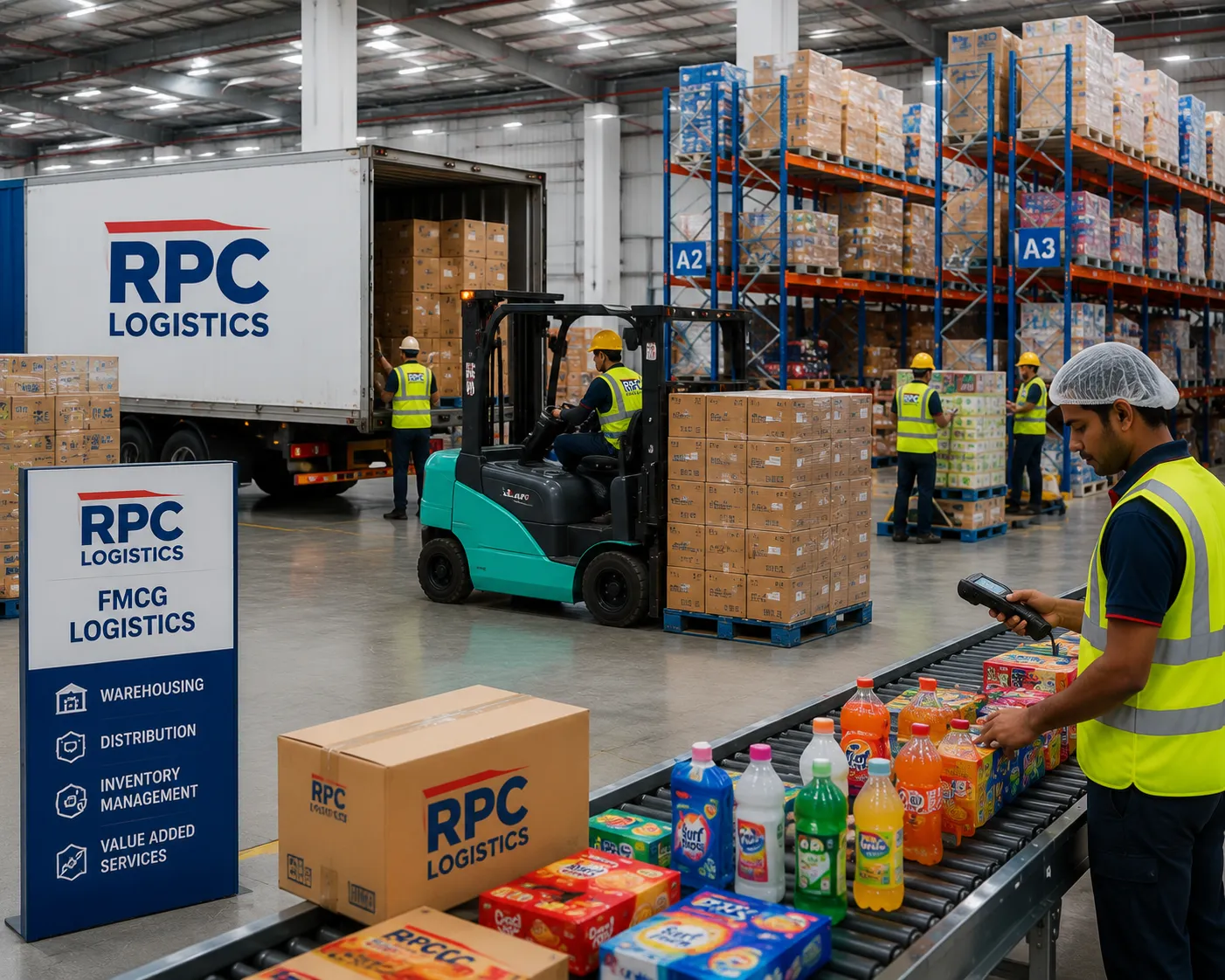
RPC Logistics provides container devanning, cross-docking, managed warehousing and road transport services that can support suitable healthcare-related freight movements.
These capabilities allow businesses to coordinate several operational stages, including container unloading, cargo preparation, warehouse handling and distribution.
For companies importing medical equipment or packaged healthcare supplies, combining these services may simplify communication between receiving and transport operations.
Before arranging services, businesses should confirm that the available facilities and procedures meet their products' specific handling, storage and compliance requirements.
 A More Organised Path From Container to Customer
Reliable healthcare distribution begins with careful preparation rather than simply moving freight as quickly as possible.
Accurate receiving, appropriate warehouse organisation and coordinated transportation can help businesses reduce handling complications and maintain better inventory visibility.
For Auckland healthcare importers, connecting these activities through a suitable logistics arrangement creates a more structured process for moving products from incoming containers to their intended destinations.



















Sign in to leave a comment.