Behavioral Assessment Tool for Employee Retention: A Complete Guide


Introduction
Employee retention has become a major priority for organizations looking to build stable, productive, and engaged teams. High employee turnover can lead to increased recruitment costs, reduced productivity, and the loss of valuable organizational knowledge. While competitive salaries and benefits play an important role in retaining employees, understanding their behavioral preferences, motivations, and workplace expectations is equally important.
A behavioral assessment tool for employee retention can help organizations gain insights into employee behavior, communication styles, work preferences, and interpersonal relationships. These insights allow managers to create supportive work environments where employees feel understood, valued, and motivated to stay.
By understanding the behavioral factors that influence employee satisfaction, businesses can develop more effective retention strategies and strengthen long-term employee relationships.
What Is a Behavioral Assessment Tool for Employee Retention?
A behavioral assessment tool is a structured method used to understand how individuals think, communicate, respond to challenges, and interact with others in the workplace.
In the context of employee retention, these tools help organizations identify behavioral patterns that may influence job satisfaction, engagement, and long-term commitment.
For example, some employees prefer collaborative environments, while others perform better when given independence. Similarly, certain employees may value frequent feedback, whereas others prefer greater autonomy and flexibility.
Behavioral assessments can help managers recognize these differences and adapt their leadership approaches accordingly.
These tools may include personality questionnaires, behavioral preference assessments, situational judgment tests, and structured employee surveys.
However, behavioral assessments should not be used as standalone predictors of employee turnover. They are most useful when combined with employee feedback, performance information, and workplace observations.
Why Are Behavioral Assessments Important for Employee Retention?
Understanding employee behavior can help organizations address workplace challenges before they lead to resignation.
Here are several ways behavioral assessments can support employee retention.
1. Understand Employee Motivation
Employees have different motivations for staying with an organization. Some value career advancement, while others prioritize work-life balance, recognition, financial stability, or meaningful work.
Behavioral assessments can provide insights into individual preferences and help managers understand what motivates their team members.
When organizations align employee responsibilities and development opportunities with these preferences, they may improve job satisfaction and engagement.
2. Improve Manager-Employee Communication
Poor communication between employees and managers can contribute to workplace dissatisfaction.
Behavioral assessments can help identify differences in communication styles. For example, one employee may prefer direct and detailed feedback, while another may respond better to supportive and collaborative conversations.
Understanding these preferences can help managers communicate more effectively, reduce misunderstandings, and build stronger professional relationships.
3. Identify Workplace Stress Factors
Employees may experience stress due to workload, unclear expectations, limited autonomy, or interpersonal conflicts.
Behavioral assessments can help managers understand how employees typically respond to pressure and workplace challenges.
These insights can support more personalized approaches to workload management, employee support, and conflict resolution.
However, assessments should not be treated as diagnostic tools for mental health conditions or as substitutes for direct employee feedback.
4. Support Career Development
Employees are more likely to remain engaged when they see opportunities for professional growth.
Behavioral assessments can help identify employees' preferred working styles, potential development areas, and interests.
Managers can use these insights to create personalized development plans, recommend relevant training, and identify suitable opportunities for career progression.
Key Features of a Behavioral Assessment Tool
Organizations should evaluate several important features when selecting a behavioral assessment tool for employee retention.
Behavioral Profiling: Helps identify individual work preferences, communication styles, and behavioral tendencies.
Employee Engagement Insights: Provides information about factors that may influence employee motivation and satisfaction.
Personalized Development Recommendations: Supports the creation of employee development plans based on individual strengths and improvement areas.
Team Compatibility Analysis: Helps managers understand how different behavioral styles may influence collaboration and workplace relationships.
Reporting and Analytics: Provides structured reports that help HR professionals identify behavioral patterns and make informed workforce decisions.
Integration Capabilities: Allows assessment results to be incorporated into existing HR processes, where appropriate.
These features can help organizations develop a more comprehensive understanding of their workforce.
How Behavioral Assessment Tools Help Reduce Employee Turnover
Employee turnover often results from several interconnected factors. Behavioral assessments can contribute to retention strategies by helping organizations understand some of these factors.
Improve Employee-Role Alignment
Employees may become dissatisfied when their responsibilities do not match their strengths or preferred working styles.
Behavioral insights can help managers identify opportunities to adjust responsibilities, improve role clarity, or provide additional support.
Better alignment between employees and their roles may contribute to greater satisfaction and productivity.
Strengthen Employee Engagement
Engaged employees are more likely to feel connected to their work and organization.
Behavioral assessments can help managers understand how employees prefer to receive recognition, collaborate with colleagues, and approach professional challenges.
These insights can inform engagement initiatives that are more relevant to individual employees.
Identify Retention Risks Through Combined Insights
Behavioral assessments may reveal patterns associated with workplace dissatisfaction, such as communication difficulties or limited development opportunities.
When combined with employee surveys, stay interviews, workload reviews, and other HR data, these patterns can help organizations identify areas that require attention.
Importantly, behavioral profiles alone should not be used to label employees as likely to resign. Retention decisions should consider multiple sources of evidence and respect employee privacy.
How to Choose the Right Behavioral Assessment Tool
Selecting the right assessment platform depends on organizational goals and workforce requirements.
1. Define Your Retention Objectives
Determine whether the organization wants to improve employee engagement, strengthen manager communication, support career development, or understand workplace challenges.
Clear objectives make it easier to select an appropriate assessment method.
2. Evaluate Scientific Reliability
Choose assessments that demonstrate appropriate reliability and validity for their intended purpose.
A well-designed assessment should measure relevant behavioral characteristics consistently and provide meaningful results.
3. Focus on Employee Development
Assessments should support employee growth rather than simply categorize individuals.
The results should help managers identify strengths, provide constructive feedback, and develop personalized improvement plans.
4. Protect Employee Privacy
Organizations should communicate why assessments are being conducted, how the information will be used, and who can access the results.
Confidentiality and transparency are essential for maintaining employee trust.
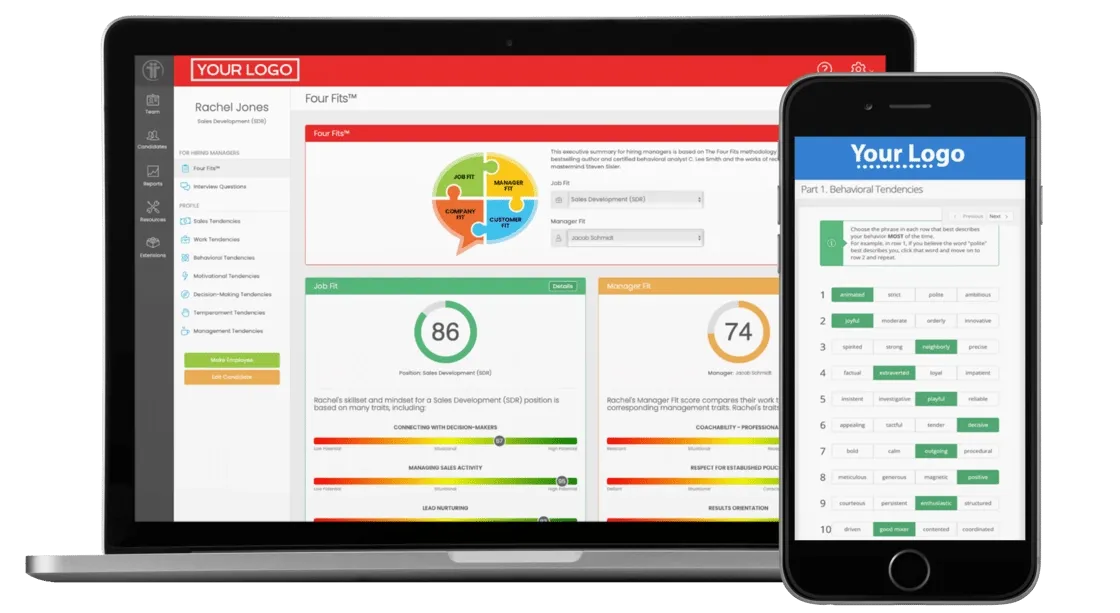
Platforms such as TeamTrait can be considered within a broader employee assessment strategy, depending on the organization's behavioral evaluation and workforce development requirements.
Best Practices for Using Behavioral Assessments
To maximize the effectiveness of behavioral assessments, organizations should follow a structured approach.
First, communicate the purpose of the assessment clearly to employees. Explain how the results will support development, communication, or workplace improvement.
Next, train managers to interpret assessment results responsibly. Behavioral profiles should be treated as insights into preferences rather than fixed descriptions of personality.
Organizations should also combine assessment findings with regular one-on-one meetings, employee engagement surveys, and feedback sessions.
Finally, evaluate whether the assessment process is contributing to meaningful improvements in employee satisfaction, engagement, and retention over time.
Conclusion
A behavioral assessment tool for employee retention can help organizations understand the behavioral preferences, motivations, and workplace needs of their employees.
By improving communication, supporting career development, identifying workplace challenges, and strengthening employee-role alignment, behavioral assessments can contribute to a more positive work environment.
However, successful employee retention requires more than assessment results. Organizations must also provide fair compensation, growth opportunities, supportive leadership, and a healthy workplace culture.
When behavioral assessments are used responsibly as part of a comprehensive employee retention strategy, they can help organizations build stronger teams and encourage long-term employee engagement.





Sign in to leave a comment.