

Introduction
Health problems rarely fit into neat little boxes. A heart issue can affect the kidneys. A digestive problem can be linked to lifestyle conditions like diabetes. This is exactly why relying on a single-specialty clinic often isn't enough anymore. A multi-speciality hospital brings together different medical fields under one roof, backed by advanced tools and coordinated expert care. Understanding the real benefits of this kind of setup can help you make smarter choices for your health and your family's wellbeing.
The Shift Toward Connected Healthcare
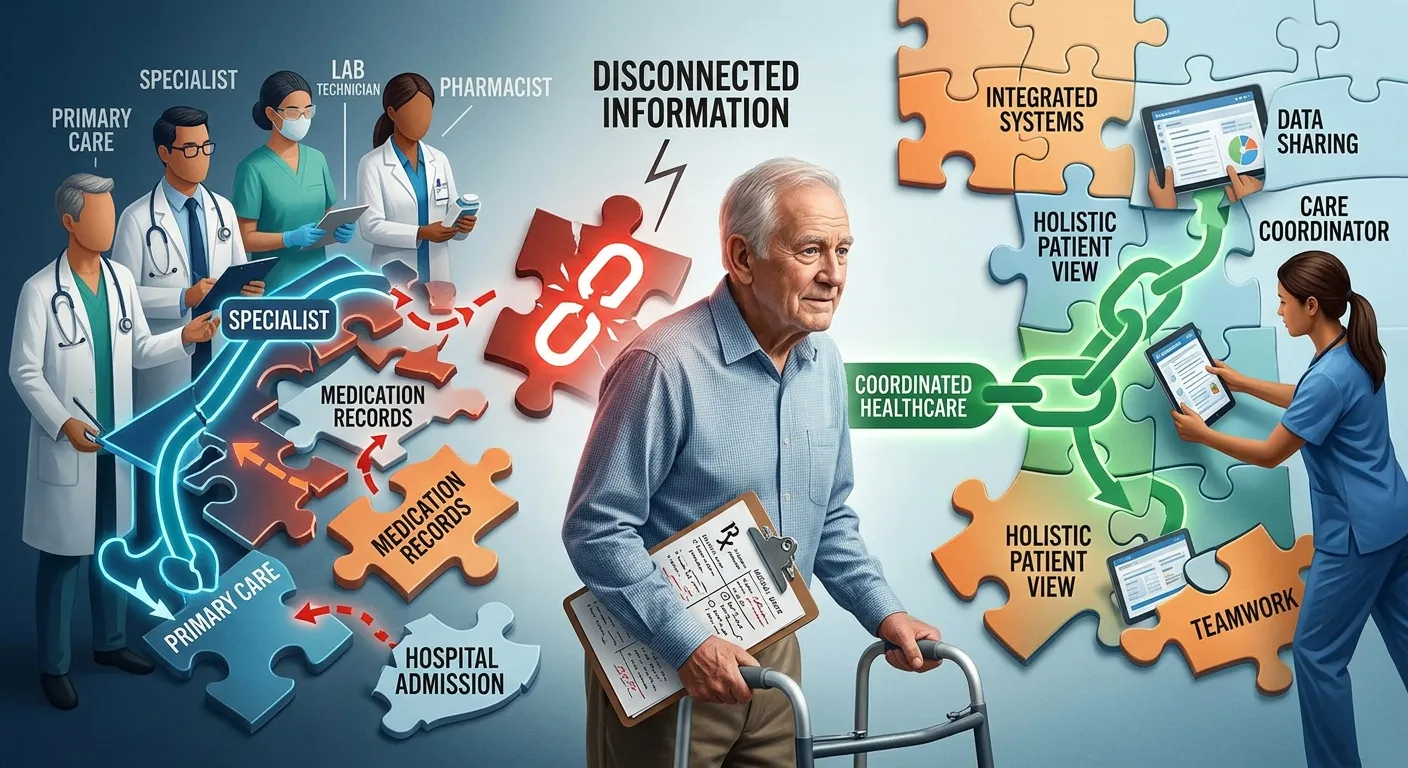
Healthcare used to be fragmented, with patients bouncing between different clinics for different problems. Today, the trend is shifting toward connected care, where specialists work together rather than in isolation. A multi-speciality hospital reflects this shift by housing departments like cardiology, orthopaedics, gastroenterology, nephrology, and gynecology within the same facility, all working with shared patient information and coordinated treatment plans.
Key Benefits Patients Actually Notice
No More Running Between Clinics
One of the most practical benefits is convenience. Instead of visiting one clinic for a heart checkup and another for a digestive issue, patients can get both handled in the same place. This saves time, reduces travel stress, and makes it easier to stay consistent with follow-up appointments.
Specialists Talk to Each Other
When a patient has more than one health issue, doctors from different fields can actually collaborate on the treatment plan. A cardiologist and a nephrologist, for example, can align their approach for a patient dealing with both heart and kidney concerns. This kind of teamwork often leads to more balanced and effective treatment.
Access to Better Diagnostic Tools
Advanced hospitals invest in modern diagnostic equipment that smaller clinics often can't afford. This means more accurate test results, quicker diagnosis, and fewer repeat visits just to figure out what's wrong.
Safer Surgical Options
Many procedures today can be done using minimally invasive techniques, like laparoscopic surgery. These methods involve smaller cuts, less pain, and quicker healing. A well-equipped multi-speciality hospital is more likely to offer these safer alternatives compared to smaller setups.
Continuous Care for Long-Term Conditions
Chronic conditions like diabetes, heart disease, or kidney problems need ongoing management, not just one-time treatment. A multi-speciality hospital allows for continuous monitoring across departments, which leads to better long-term control and fewer emergency situations.
Complete Support for Women's Health
From pregnancy to gynecological care, having these services integrated with other departments means better support during complicated cases where a surgical or medical opinion from another specialty might be needed.
Faster Emergency Response
In emergencies, having specialists and equipment already on-site can make a real difference. There's no time lost transferring patients elsewhere for advanced care, which can be critical in situations involving the heart, brain, or major injuries.
Building Long-Term Trust With One Hospital
There's real value in sticking with one hospital over the years. Doctors get to know a patient's full medical history, which leads to more personalized care. This kind of continuity is hard to achieve when treatment is scattered across multiple, unconnected clinics.
What to Look for in a Multi-Speciality Hospital
When choosing a hospital, it helps to look beyond just the number of departments. Consider the experience of the doctors, the quality of the equipment, patient reviews, and how well departments actually coordinate with each other. A hospital that checks all these boxes is more likely to deliver the full benefits of integrated, advanced care.
Why This Matters for Your Family
Choosing the right hospital isn't just about convenience during a single visit. It's about having a reliable option ready for whatever health need comes up, at any stage of life. A trusted multispeciality hospital in kathua gives families access to a wide range of departments and advanced facilities, all working together to support better health outcomes over time.
Conclusion
Advanced medical care in a multi-speciality hospital offers more than just convenience. It brings together expertise, technology, and coordinated treatment in a way that genuinely improves patient outcomes. When it comes to something as important as your health, choosing a hospital built for connected, comprehensive care can make all the difference.

























Sign in to leave a comment.