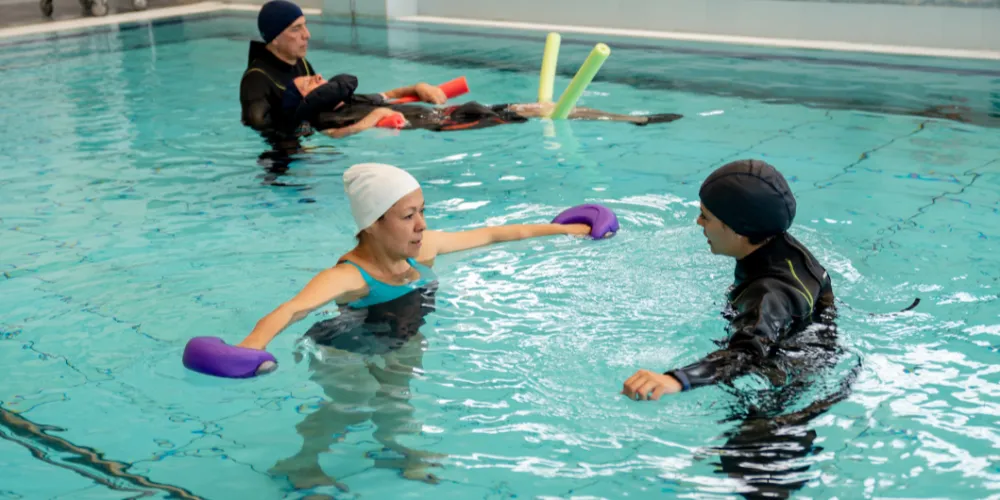

Recovery is an essential part of an active, healthy lifestyle. Whether you're an athlete, a weekend warrior, or someone who spends long hours on their feet, muscle soreness and tension can affect your comfort and performance. Stretching, nutrition, and rest all play a role in recovery, but hydrotherapy has become an increasingly popular way to complement these habits.
The combination of warm water, buoyancy, and gentle movement creates an environment that helps the body recover from exertion while also providing valuable mental relaxation. Here are some of the key benefits of hydrotherapy for muscle recovery and overall well-being.

Helps Relieve Muscle Tension
One of the most immediate benefits of hydrotherapy is its ability to reduce muscle tension. Everyday activities, exercise, and prolonged sitting can leave muscles tight and uncomfortable.
Warm water encourages muscles to relax, easing stiffness and promoting comfort. This soothing effect is especially noticeable after intense physical activity, allowing muscles to unwind and recover. For many people, time spent in warm water provides real, noticeable relief from the aches that come with an active lifestyle.
Supports Post-Exercise Recovery
Exercise challenges the body's muscles and tissues, creating the adaptations that lead to improved strength and fitness, but recovery is where those benefits are fully realised.
Hydrotherapy is often used as part of a post-workout routine because it provides a comfortable environment that promotes relaxation after physical activity, helping people feel refreshed and ready to return to training. It shouldn't replace other recovery practices like hydration, sleep, and proper nutrition, but it can complement a well-rounded recovery strategy and help people stay consistent with their fitness routines.
Reduces Pressure on Joints
One of water's unique properties is buoyancy. When immersed in water, the body experiences reduced gravitational pressure, meaning joints and muscles don't have to bear the same load they would on land.
This reduced pressure can be especially valuable after strenuous activity or muscle fatigue. Many people find that moving in water feels easier than the same movements on dry land. The supportive nature of water lets the body relax while still encouraging gentle movement, making hydrotherapy an appealing low-impact recovery option.
Encourages Gentle Stretching and Mobility
Flexibility and mobility are important parts of overall physical health. Tight muscles can restrict movement and contribute to discomfort, which is why regular stretching matters so much for recovery.
Water provides a supportive environment for gentle stretching and movement. Because the body feels lighter when submerged, many people find it easier to perform mobility exercises in water than on land. The natural resistance of water also allows muscles to engage without placing excessive strain on joints, a balance of support and resistance that makes hydrotherapy effective for encouraging movement while staying comfortable.
Promotes Relaxation and Stress Relief
Physical recovery and mental well-being are closely connected. Stress can contribute to muscle tension, fatigue, and discomfort, and hydrotherapy offers a genuine opportunity to slow down and disconnect from daily pressures.
The calming effects of warm water create a relaxing environment that encourages both physical and mental ease. Many people find that time spent in warm water helps them unwind after a busy day, making hydrotherapy not just a recovery tool but a valuable self-care practice. Lower stress levels can, in turn, make it easier to maintain healthy habits over the long term.
May Improve Sleep Quality
Quality sleep is one of the most important factors in effective recovery. It's during sleep that the body repairs tissue and restores energy.
Because hydrotherapy promotes relaxation, it can help create an ideal transition between a busy day and a restful night. Many people report feeling calmer and more comfortable after spending time in warm water, making it easier to fall asleep and stay asleep. Combined with other healthy sleep habits, hydrotherapy can become a genuinely useful part of an overall wellness routine.
Provides a Convenient Recovery Option at Home
One reason hydrotherapy continues to grow in popularity is its accessibility. While wellness centres and rehabilitation facilities often offer hydrotherapy services, many homeowners are now choosing to bring these benefits into their own outdoor living spaces.
Installing a Spa Pool allows individuals to enjoy warm water therapy whenever it suits their schedule, rather than booking appointments or travelling to a facility. This convenience often makes it easier to establish a consistent routine, particularly for people who exercise regularly, work physically demanding jobs, or value having a space to relax and recharge.
Supports Overall Wellness for All Lifestyles
The benefits of hydrotherapy extend well beyond muscle recovery. Many people view it as part of a broader wellness strategy supporting both physical and mental health, providing dedicated time for relaxation, stress management, and self-care.
It's also versatile. Athletes may use it to complement their recovery routines, while office workers may appreciate its ability to relieve tension after long hours at a desk. Parents, retirees, and busy professionals can all benefit from the relaxing environment it provides, a broad appeal that's helped hydrotherapy remain a popular wellness practice around the world.
Final Thoughts
Hydrotherapy offers a range of benefits that support both muscle recovery and relaxation. From easing muscle tension and encouraging mobility to promoting stress relief and better sleep, it provides a holistic approach to wellbeing that fits into many different lifestyles.
Whether used after exercise, at the end of a demanding workday, or simply as a way to unwind, hydrotherapy remains a valuable tool for physical comfort and mental relaxation. By making recovery a regular priority, individuals can maintain their well-being and enjoy a healthier, more balanced lifestyle.




















Sign in to leave a comment.