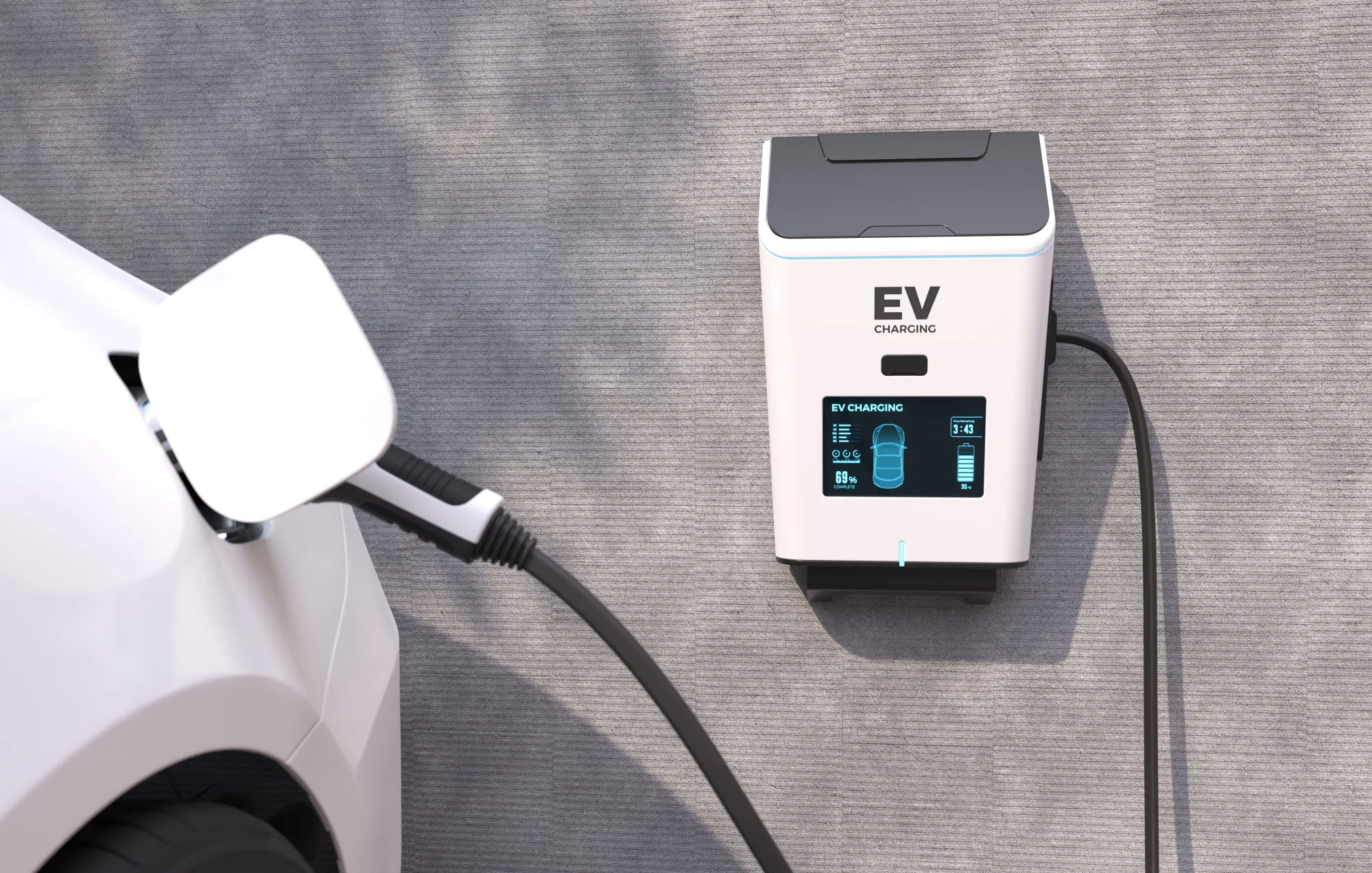

As electric vehicles continue to gain popularity, more homeowners are looking for convenient and efficient ways to charge their cars. While standard charging methods can get the job done, a Smart Home EV Charger offers a significantly better charging experience through advanced technology, improved energy management, and enhanced convenience.
Whether you are a new EV owner or considering upgrading your existing charging setup, understanding the benefits of a Smart EV Charger can help you make an informed decision. In this article, we explore why smart charging solutions are becoming an essential part of modern electric vehicle ownership.
What Is a Smart Home EV Charger?
A Smart Home EV Charger is an internet-connected charging device that allows users to monitor, manage, and optimize their EV charging sessions through mobile apps, cloud platforms, or integrated software systems.
Unlike conventional chargers, smart chargers offer advanced features such as:
- Remote monitoring
- Charging schedules
- Energy usage tracking
- Load balancing
- Real-time notifications
- Automated charging controls
These capabilities make charging more efficient, cost-effective, and user-friendly.
1. Convenient Charging from Home
One of the biggest advantages of a Smart Home EV Charger is convenience.
Instead of relying on public charging stations, you can charge your vehicle whenever it is parked at home. This eliminates the need to search for available chargers or wait in queues.
With a dedicated charging solution, your vehicle can be fully charged and ready for use every morning.
Key Benefits
- Charge overnight while you sleep
- Avoid unnecessary trips to charging stations
- Enjoy reliable access to charging
- Improve daily convenience
2. Remote Monitoring and Control
Modern Smart EV Chargers allow users to manage charging sessions directly from their smartphones.
Using a dedicated mobile application, you can:
- Start or stop charging remotely
- Check charging status in real time
- Receive charging notifications
- Track charging history
- Monitor energy consumption
This level of control helps users stay informed and manage charging more efficiently.
3. Lower Electricity Costs
Electricity rates often vary throughout the day.
A Smart Home EV Charger can automatically schedule charging during off-peak hours when electricity prices are lower.
This helps reduce overall charging expenses while making better use of available energy resources.
Cost-Saving Features
- Off-peak charging schedules
- Energy consumption monitoring
- Automated charging optimization
- Reduced peak-hour electricity usage
Over time, these savings can significantly lower the cost of EV ownership.
4. Improved Charging Efficiency
Smart chargers optimize charging based on available power and vehicle requirements.
Instead of drawing maximum power continuously, they intelligently manage charging sessions to maximize efficiency.
Benefits include:
- Faster charging management
- Better energy utilization
- Reduced power wastage
- Enhanced charging performance
Efficient charging also contributes to a more stable electrical system within the home.
5. Enhanced Safety Features
Safety is one of the most important considerations when charging an electric vehicle.
A Smart EV Charger includes advanced protection mechanisms such as:
- Overcurrent protection
- Overvoltage protection
- Temperature monitoring
- Ground fault detection
- Automatic shutdown during faults
These features help protect both the vehicle and the home's electrical system.
6. Smart Load Management
As more households adopt electric vehicles, electrical load management becomes increasingly important.
A Smart Home EV Charger can intelligently balance power usage within the home to prevent overloading circuits and electrical panels.
This is particularly useful when multiple high-power appliances operate simultaneously.
Advantages of Load Management
- Prevents electrical overloads
- Protects household infrastructure
- Optimizes available power capacity
- Improves charging reliability
7. Better Battery Health
Charging habits can affect long-term battery performance.
Smart charging systems help optimize charging cycles and prevent unnecessary battery stress.
Many smart chargers offer:
- Scheduled charging
- Controlled charging rates
- Battery-friendly charging patterns
These features can contribute to improved battery longevity and consistent vehicle performance.
8. Detailed Energy Usage Insights
One of the most valuable features of a Smart Home EV Charger is access to detailed charging analytics.
Users can monitor:
- Daily energy consumption
- Monthly charging costs
- Charging session history
- Electricity usage trends
These insights help homeowners understand their energy usage and identify opportunities for additional savings.
9. Future-Ready Technology
The EV industry continues to evolve rapidly.
A Smart EV Charger is designed to support future developments through software updates and connected technologies.
Many smart chargers can integrate with:
- Home energy management systems
- Solar energy installations
- Smart grids
- Utility demand-response programs
This flexibility helps homeowners stay prepared for future advancements in electric mobility.
10. Increased Property Value
EV charging infrastructure is becoming a desirable feature for modern homes.
As electric vehicle ownership grows, properties equipped with smart charging solutions may become more attractive to potential buyers and tenants.
Benefits include:
- Enhanced property appeal
- Future-ready infrastructure
- Increased marketability
- Improved sustainability credentials
Installing a Smart Home EV Charger can therefore be viewed as a long-term investment.
Smart Home EV Charger vs Standard Charger
| Feature | Standard Charger | Smart Home EV Charger |
|---|---|---|
| Remote Control | No | Yes |
| Mobile App Access | No | Yes |
| Charging Scheduling | Limited | Advanced |
| Energy Monitoring | No | Yes |
| Load Management | No | Yes |
| Usage Analytics | No | Yes |
| Smart Notifications | No | Yes |
| Future Software Updates | No | Yes |
The comparison clearly shows why smart chargers are becoming the preferred choice for EV owners.
Choosing the Right Smart EV Charger
When selecting a charging solution, consider factors such as:
- Charging speed requirements
- Vehicle compatibility
- Smart connectivity features
- Mobile app functionality
- Safety certifications
- Energy management capabilities
- Installation requirements
A charger that combines safety, reliability, and intelligent energy management will provide the best long-term value.
Conclusion
Installing a Smart Home EV Charger offers numerous advantages beyond simply charging your vehicle. From remote monitoring and energy savings to enhanced safety and intelligent load management, smart chargers provide a superior charging experience for modern EV owners.
As electric vehicle adoption continues to grow, investing in a Smart EV Charger can help you enjoy greater convenience, lower operating costs, and future-ready charging infrastructure. For homeowners seeking efficient, reliable, and connected charging solutions, a smart charger is quickly becoming an essential part of the EV ownership journey.

























Sign in to leave a comment.