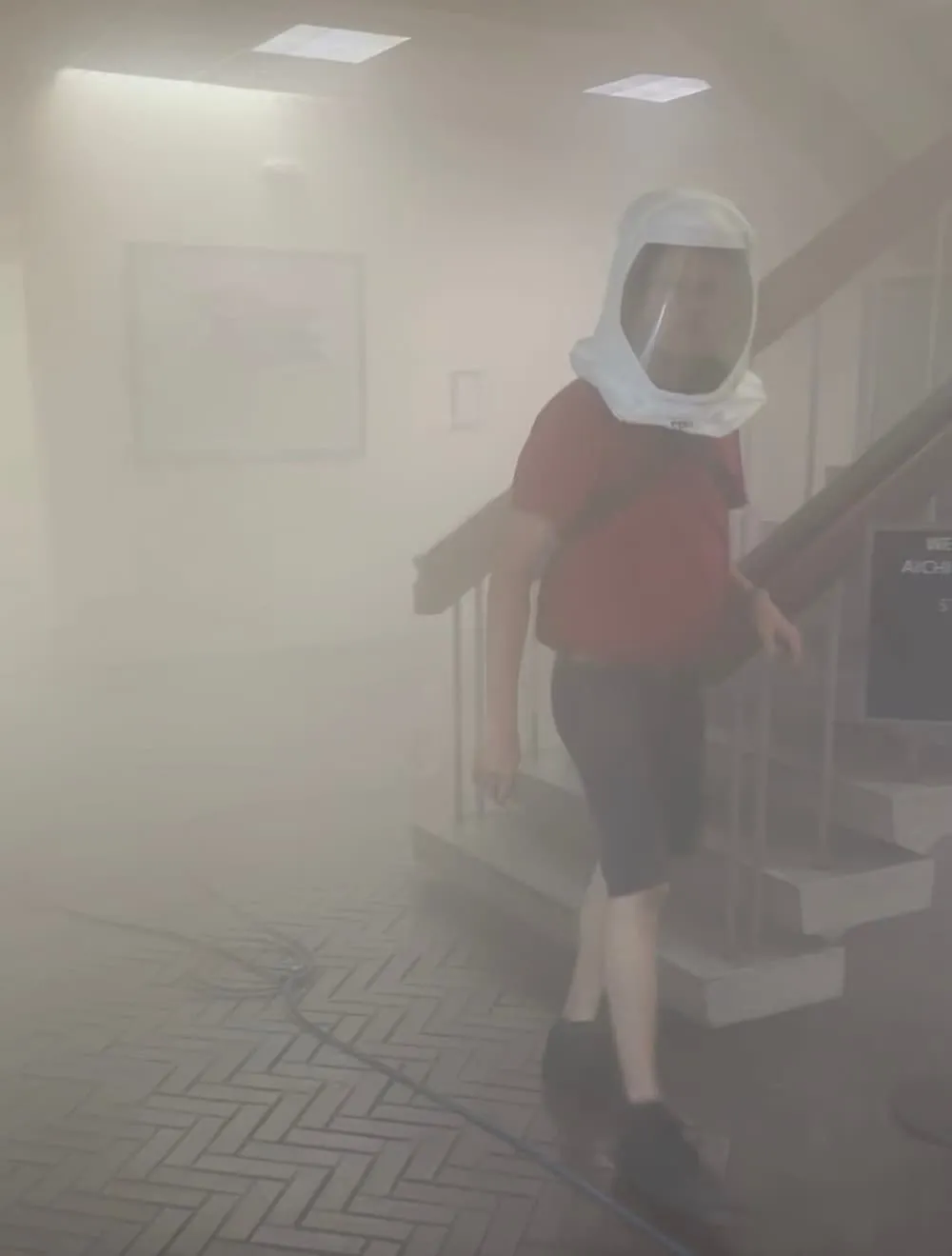

A healthy home depends on more than clean visible surfaces. Moisture, humidity, ventilation, temperature, building materials, airflow, and hidden environmental contributors can all influence indoor conditions. Modern mold inspection services provide an opportunity to evaluate these factors as connected parts of the building environment. Instead of treating mold as an isolated substance, a modern inspection considers why conditions may have developed and whether related patterns exist elsewhere. This approach can help property owners better understand their homes and make decisions that support improved indoor environmental quality.
Moving Beyond Visible Mold
Visible mold is often the first indication that attracts attention, but it may not represent the complete environmental picture. Mold can develop behind walls, under flooring, around plumbing, inside concealed spaces, or near areas with persistent humidity. A modern inspection looks for clues that may indicate conditions outside the immediately visible area. This broader assessment can help determine whether the concern appears localized or whether other parts of the property should be evaluated.
Understanding the Underlying Environment
Mold growth generally requires suitable environmental conditions. Moisture, temperature, available nutrients, and time can all influence development. If those conditions remain unchanged, simply addressing visible growth may not prevent recurrence. A modern inspection therefore considers environmental contributors as part of the investigation. This can include evaluating moisture patterns, humidity levels, ventilation, building materials, and areas where water may enter or accumulate.
Whole Home Environmental Assessment
A house is not a collection of completely independent rooms. Air moves between spaces, moisture can migrate through materials, and pressure differences can influence how outdoor and indoor air enter the structure. These interactions mean that a concern in one location can sometimes have connections elsewhere. Whole home assessment considers the property as a connected system. This perspective can be particularly helpful when odors return, concerns recur, or different rooms appear to experience related environmental conditions.
HVAC Connections
Heating and cooling systems influence indoor air movement and comfort. Supply ducts, return pathways, filters, and mechanical areas can connect different portions of a property. During an environmental inspection, these relationships may be considered when determining how air moves through the structure. The presence of an HVAC system does not automatically mean that it is responsible for a mold concern. Instead, its relationship to other observations should be evaluated based on evidence and the property's specific design.
Crawlspace Influence
Crawlspaces can contribute to indoor environmental conditions because they often sit directly below occupied areas. Moisture, soil conditions, insulation, ventilation, and air leakage can affect the environment within these spaces. The stack effect can also influence how air moves vertically through a building. When lower areas are connected to living spaces through gaps or penetrations, conditions in the crawlspace may deserve consideration. Evaluating these relationships helps create a more complete picture of the property's environmental behavior.
Humidity as an Environmental Factor
Humidity is an important part of indoor environmental health because excessive moisture can contribute to condensation and create favorable conditions for mold growth. High humidity may result from inadequate ventilation, plumbing problems, exterior moisture, weather conditions, or normal household activities. Measuring humidity across several areas can reveal whether elevated conditions are localized or widespread. Understanding these patterns can help property owners focus on environmental management rather than reacting only after visible mold appears.
The Importance of Moisture Control
Moisture control is often central to preventing recurring mold concerns. Water intrusion, condensation, plumbing leaks, and elevated humidity can create conditions that support microbial growth. An inspection can help identify signs that moisture may be present and determine whether additional investigation is appropriate. The objective is to understand the source and behavior of moisture so that corrective decisions address the underlying environmental condition rather than only its visible effects.
Seasonal Environmental Changes
Indoor conditions can vary with the seasons. Summer weather may bring higher outdoor humidity, while winter temperatures can increase the potential for condensation on cooler surfaces. HVAC operation also changes throughout the year. Because of these fluctuations, an environmental condition that appears minor at one point may become more noticeable during another season. A modern inspection considers these changes when interpreting observations and discussing long term indoor environmental management.
Hidden Environmental Contributors
Mold may not always be the only environmental concern worth considering. Dust accumulation, inadequate ventilation, moisture imbalance, air leakage, damaged materials, and other building conditions can influence indoor air quality. Identifying these contributors can provide valuable context when occupants notice odors, discomfort, or recurring concerns. A whole home environmental assessment does not assume that every issue has the same cause. Instead, it evaluates the available evidence to determine which factors deserve attention.
Odors as Environmental Clues
Musty odors can sometimes be associated with damp materials or microbial growth, but odor alone does not identify a specific source. An odor may move through air pathways and become noticeable far from its origin. For this reason, investigating the broader environment can be more useful than simply cleaning the area where the odor is strongest. Understanding airflow, moisture conditions, and connected spaces can help guide the search for a possible contributor.
Non Invasive Inspection Methods
Modern inspection can often begin with non invasive methods that provide useful information without immediately disturbing the structure. Visual observations, moisture measurements, humidity readings, thermal evaluations, and building assessments can help identify areas that deserve closer attention. This approach can reduce unnecessary disruption while allowing evidence to guide subsequent decisions. If invasive investigation is warranted, it can be focused on locations where the inspection findings provide a reasonable basis for further examination.
Evidence Based Recommendations
Recommendations are more useful when they are connected to actual observations. An unusual temperature pattern, elevated moisture reading, or visible stain may each require context before a conclusion is made. Multiple indicators can provide stronger evidence when they point toward the same environmental condition. A careful inspection therefore considers information collectively. This helps property owners understand why certain areas may need attention and which improvements could have the greatest environmental value.
Supporting Healthier Homes
The goal of modern inspection is not simply to locate mold. It is to improve understanding of the indoor environment so that property owners can address conditions that may contribute to recurring problems. Moisture management, ventilation, humidity control, appropriate cleaning, and building maintenance may all play roles in maintaining healthier spaces. Each property requires its own assessment because construction, climate, occupancy, and maintenance history differ. A whole home perspective encourages practical decisions that fit the actual conditions of the building.
Building Long Term Awareness
Environmental health is easier to manage when property owners understand how their homes behave. Regular attention to moisture, humidity, ventilation, plumbing, roofing, crawlspaces, and HVAC operation can help identify changes before they become significant. Inspection can provide a snapshot of current conditions while also helping occupants understand what to monitor over time. This creates a more proactive approach to indoor environmental quality.
Conclusion
Modern mold inspection is increasingly connected to the broader goal of maintaining healthier indoor environments. By evaluating visible conditions alongside moisture, humidity, airflow, HVAC relationships, crawlspaces, and hidden contributors, a comprehensive inspection can provide more meaningful information. The home is best understood as a connected system where different conditions can influence one another. Through this whole home perspective, Pure Air Mold Remediation emphasizes informed environmental assessment and practical decision making designed around the specific conditions of each property.
























Sign in to leave a comment.