
Modern buildings are designed to provide comfort, energy efficiency, durability, and long-term performance. One important feature that supports these goals is thermal break insulation, which helps reduce unwanted heat transfer through building components. It is particularly valuable in structures that use steel, aluminium, and other materials that conduct heat easily. By limiting the movement of heat between indoor and outdoor environments, thermal breaks help maintain comfortable indoor temperatures, reduce energy consumption, and improve the overall efficiency of a building. Understanding their benefits can help property owners, architects, and builders make informed decisions when planning modern residential and commercial structures.
What Is Thermal Break Insulation?
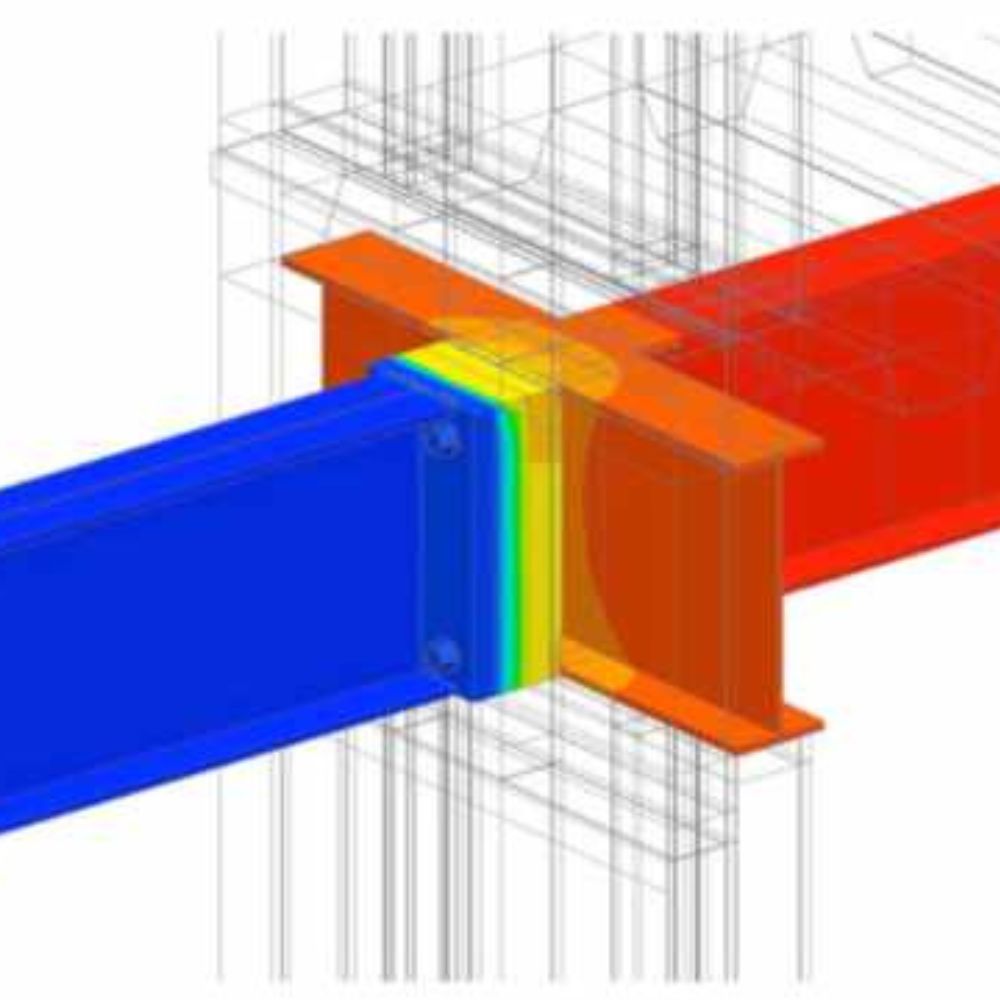
Thermal break insulation is a method of reducing heat transfer through conductive building materials. It commonly involves placing a low-conductivity material between two sections of a highly conductive component. This creates a barrier that slows the movement of heat from one side to the other.
Metal components, including steel frames, aluminium window systems, and structural connections, can transfer heat quickly. Without suitable thermal separation, heat may enter a building during hot weather or escape during colder conditions.
A thermal break interrupts this direct pathway, improving the thermal performance of the building envelope. Depending on the application, thermal break materials may include specialised polymers, insulating composites, or other materials designed to withstand the required structural and environmental conditions.
Key Benefits of Thermal Break Insulation in Modern Buildings
1. Improved Energy Efficiency
One of the main benefits of thermal break insulation is its ability to improve energy efficiency. Buildings often lose or gain heat through windows, doors, frames, walls, and structural connections. When these components conduct heat easily, heating and cooling systems must work harder to maintain the desired indoor temperature.
Thermal breaks reduce heat transfer through these pathways, helping limit unnecessary energy use. In warm climates, they can reduce the amount of outdoor heat entering the building. In cooler conditions, they help retain indoor warmth.
Although the actual energy savings depend on the building design, climate, insulation levels, and installation quality, thermal breaks can contribute significantly to an efficient building envelope.
2. Better Indoor Comfort
Maintaining a comfortable indoor environment is essential for homes, offices, educational facilities, and commercial spaces. Poorly insulated metal components can create noticeable temperature differences near windows, doors, and external walls.
For example, a metal window frame exposed to intense sunlight may become hot and transfer heat to the interior. During colder weather, the same frame may feel cold because it transfers heat away from the room.
Thermal break insulation helps reduce these temperature differences. As a result, occupants can experience more consistent indoor conditions throughout the year.
Improved thermal comfort can also reduce uncomfortable hot or cold areas near building openings and exterior surfaces.
3. Reduced Heating and Cooling Costs
Heating and cooling systems account for a considerable portion of energy consumption in many buildings. When heat continuously moves through poorly insulated components, these systems need additional energy to maintain comfortable conditions.
Thermal breaks help minimise unwanted heat transfer, allowing heating and cooling equipment to operate more efficiently under suitable conditions. This can contribute to lower electricity or fuel consumption and reduced operating expenses over time.
The financial benefits vary according to the size of the building, local energy prices, climate, equipment efficiency, and the extent of thermal bridging before improvements are made.
For the best results, thermal breaks should be combined with appropriate wall insulation, energy-efficient glazing, airtight construction, and effective ventilation.
4. Reduced Condensation and Moisture Problems
Condensation occurs when warm, moisture-laden air comes into contact with a surface that is sufficiently cold. In buildings, this can happen around metal frames, structural connections, and other areas where heat escapes quickly.
Thermal bridging can create cold internal surfaces, increasing the risk of condensation when indoor humidity is high. Persistent moisture may contribute to mould growth, damaged finishes, corrosion, and poor indoor air quality.
By reducing heat transfer and helping maintain warmer interior surface temperatures, thermal break insulation can lower condensation risk in many applications.
However, thermal breaks are not a complete moisture-control solution. Proper ventilation, humidity management, weatherproofing, and suitable installation details remain important for preventing moisture-related damage.
5. Improved Performance of Metal Frames and Windows
Modern buildings frequently incorporate metal framing because of its strength, versatility, and ability to support large openings and contemporary designs. However, metals generally conduct heat more readily than many insulating materials.
Thermally broken window and door frames use an insulating section between the interior and exterior metal profiles. This reduces direct heat transfer through the frame while retaining the benefits of metal construction.
The same principle can be applied to selected structural and façade systems where thermal performance is important.
When properly designed, these systems help improve the overall efficiency of the building envelope without requiring the complete removal of metal components.
6. Greater Sustainability
Energy-efficient buildings can help reduce environmental impacts associated with electricity and fuel consumption. By limiting unwanted heat transfer, thermal break insulation supports more efficient building operation and may reduce the energy needed for heating and cooling.
Lower operational energy demand can contribute to reduced greenhouse gas emissions, particularly where energy production relies on fossil fuels.
Thermal breaks can also support sustainable construction by improving the performance of durable building systems. However, the overall environmental impact depends on material production, transportation, installation, service life, and end-of-life disposal.
Choosing suitable materials and designing systems for long-term performance can help maximise these benefits.
Common Applications of Thermal Break Insulation
Thermal break insulation can be incorporated into several types of modern building components.
Windows and Doors
Thermally broken frames reduce heat transfer between the outside and inside surfaces. This is particularly useful for large glazed openings, commercial buildings, and homes exposed to significant temperature variations.
Steel Structures
Steel can create thermal bridges where structural elements connect the interior and exterior parts of a building. Carefully designed thermal separation can help reduce these pathways while preserving structural performance.
Building Facades
Metal façade systems, curtain walls, and cladding connections may allow heat to bypass conventional insulation. Thermal breaks help improve the continuity of the building's thermal envelope.
Roofs and Balconies
Roof assemblies and balcony connections can create significant thermal bridges if they connect interior and exterior structural elements directly. Specialised thermal separation systems can reduce heat transfer in these locations.
Factors to Consider When Choosing Thermal Break Insulation
Material Performance
The selected material should provide suitable thermal resistance while meeting the application's requirements for strength, durability, fire performance, and environmental exposure.
Correct Installation
Even high-quality thermal break materials may deliver limited benefits if gaps, poorly sealed joints, or uninsulated connections remain. Installation should follow appropriate design specifications and manufacturer-independent engineering requirements.
Climate and Building Design
Buildings in hot climates may prioritise limiting heat gain, while buildings in colder climates may focus on retaining indoor warmth. Local climate conditions, orientation, glazing area, and existing insulation should guide the design.
Long-Term Durability
Thermal break components should withstand expected temperatures, moisture exposure, mechanical loads, and ageing. Selecting materials suitable for the intended service conditions helps maintain performance over time.
Conclusion
Thermal break insulation is an important consideration in modern construction because it helps reduce heat transfer through conductive building components. Its benefits include improved energy efficiency, greater indoor comfort, potentially lower heating and cooling costs, reduced condensation risk, and better performance of metal-framed systems.
When incorporated into a well-designed building envelope, thermal breaks can support long-term durability and more sustainable building operation. Their effectiveness depends on suitable material selection, careful installation, and integration with other insulation and moisture-control measures. By addressing thermal bridges during the design stage, builders and property owners can create more comfortable, efficient, and resilient buildings.















Sign in to leave a comment.