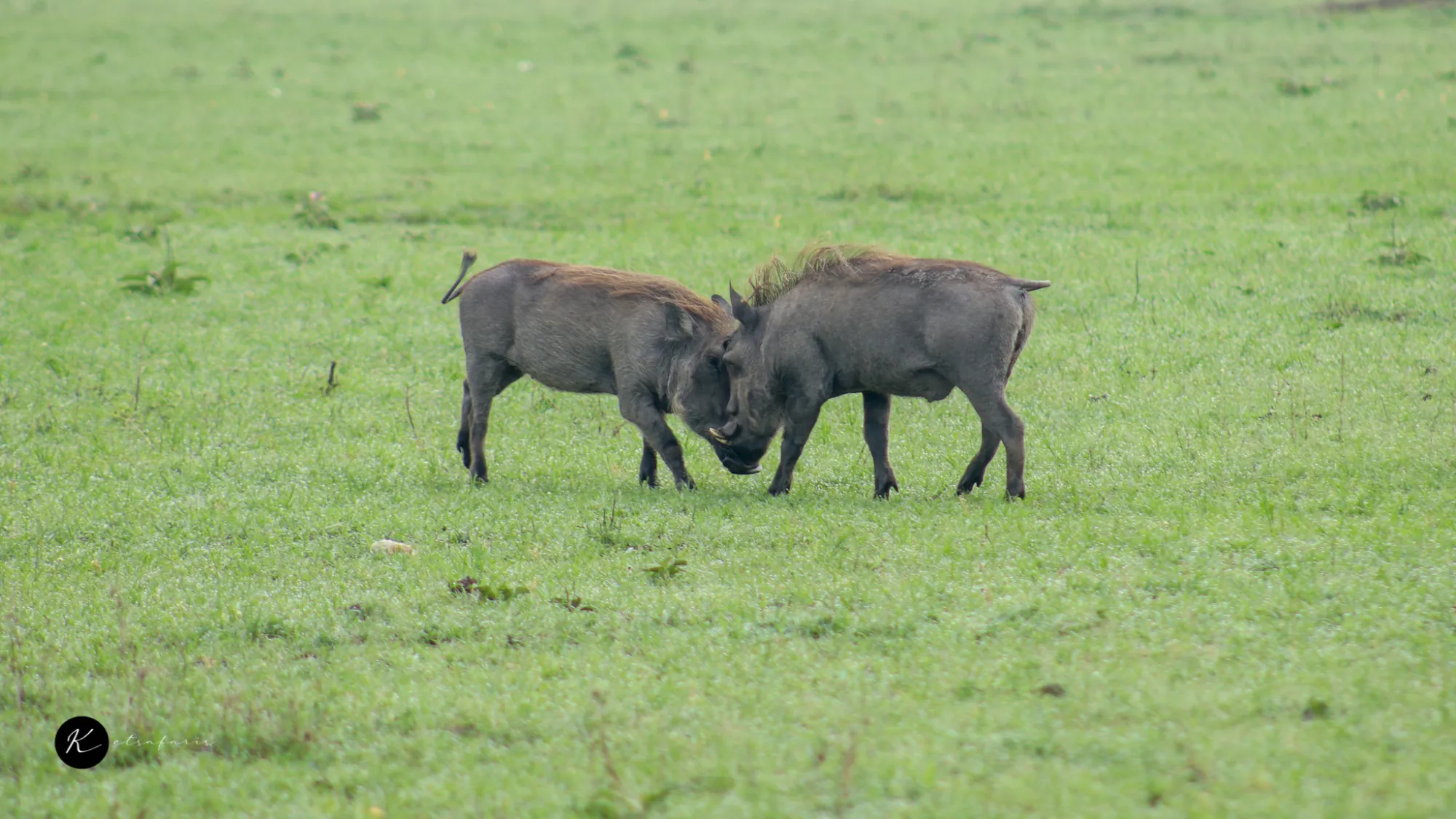

An African safari has a reputation for being out of reach. Photos of infinity pools and private butlers make it easy to assume the trip belongs to retirees and honeymooners with deep pockets. In reality, you can see lions, elephants, and migrating wildebeest at several price points. What changes is comfort, exclusivity, and how much of the trip is handled for you.
This guide breaks down what each budget level typically buys, so you can plan with realistic expectations.
What Drives the Cost of a Safari?
Before comparing budgets, it helps to know where the money goes. Four things shape most safari prices.
Park Fees and Conservation Levies
Entry fees are a major expense, and they vary widely. Famous reserves like Kenya's Masai Mara charge significantly more per day than lesser-known parks. These fees are usually quoted per person, per day, and they change often, so always confirm current rates before booking.
Accommodation Style
A basic campsite, a mid-range lodge, and a luxury tented camp can differ in price by several hundred dollars a night. Location matters too: lodges inside a reserve cost more than those just outside the gate.
Transport and Group Size
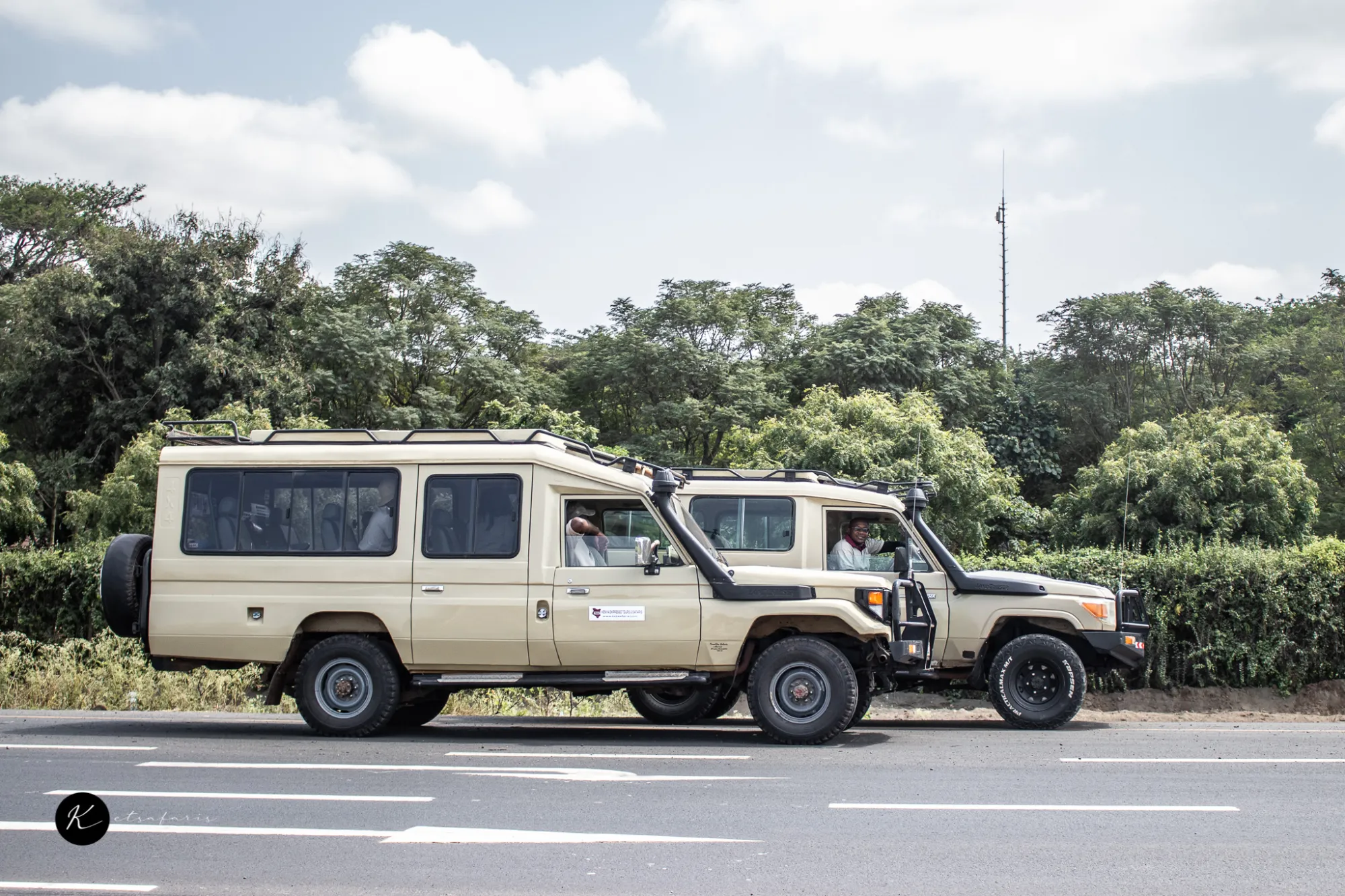
Sharing a 4x4 vehicle with other travelers splits the cost. A private vehicle with a dedicated guide costs more but gives you control over your schedule.
Season
Peak months, such as July to October during the Great Migration, bring higher rates. The shoulder and low seasons often offer lower prices, fewer crowds, and green landscapes.

Affordable Safaris: Wildlife on a Tighter Budget
Budget safaris are the most misunderstood category. Done well, they are not "lesser" trips. They simply trade some comfort for savings.
What You Can Expect
Most affordable packages use shared group departures, basic lodges or camping, and fixed itineraries. Meals are usually simple but filling, and you travel in a shared safari vehicle with a driver-guide.
Typical Price Range
Budget safaris generally fall somewhere between roughly $150 and $250 per person per day, though this depends on destination and season. Camping options can come in lower.
Who It Suits
This style works well for backpackers, students, and adventurous travelers who care more about game drives than thread counts. You still get excellent wildlife viewing, because the animals do not know what you paid.
Mid-Range Safaris: The Sweet Spot for Most Travelers
If you want comfort without a luxury price tag, mid-range is where most people land.
What You Can Expect
Think comfortable lodges or permanent tented camps with private bathrooms, hot showers, and good food. Vehicles are often limited to a set number of passengers per row, which means window seats for everyone. Guides tend to be more experienced, and itineraries have more flexibility.
Typical Price Range
Expect roughly $300 to $600 per person per day for most mid-range options, with variation by country and season.
Who It Suits
Couples, families, and first-time visitors usually find the balance right. If you are comparing operators, browsing the best african safari tours on offer is a useful way to see how itineraries and inclusions differ at this level.
Luxury Safaris: Exclusivity and Personal Service
At the top end, you are paying for privacy, location, and attention to detail.
What You Can Expect
Luxury camps often sit in private conservancies with limited guest numbers and fewer vehicles at each sighting. You may get private guides, off-road driving where permitted, night drives, walking safaris, and gourmet dining. Some itineraries include scenic flights between camps, which saves long road transfers.
Typical Price Range
Prices commonly start around $700 per person per day and can climb well beyond $1,500 at the most exclusive properties.
Who It Suits
Honeymooners, special-occasion travelers, and serious photographers who want uncrowded sightings and a smooth experience from start to finish.
Smart Ways to Save Money on Any Safari
Whatever your budget, a few habits can stretch it further.
- Travel in the shoulder season. Late spring or early autumn in East Africa often brings lower rates and thinner crowds.
- Book early. Popular lodges fill up months ahead, and early bookings sometimes secure better pricing.
- Choose fewer, longer stops. Moving between parks every night adds transport costs and tires you out.
- Compare what is included. A cheaper quote that excludes park fees or transfers may end up costing more.
- Consider group departures. Sharing costs is one of the simplest ways to lower your daily rate.
Traveling alone? Single supplements can add noticeably to the price. Read this guide on a solo travel safari in Kenya to learn how safety, costs, and group options work for independent travelers.
How to Choose the Right Budget for You
Start by deciding what matters most. If it is maximum wildlife for minimum spend, go affordable. If comfort and good guiding matter, mid-range delivers the most value. If you want privacy and indulgence, luxury is worth the investment.
Also be honest about trip length. A well-planned five-day mid-range safari often beats a rushed ten-day budget trip, because quality time in the field matters more than ticking off parks.
Final Thoughts
There is no single best African safari, only the one that fits your priorities and wallet. Affordable, mid-range, and luxury trips all put you in front of extraordinary wildlife. Get clear on what you value, compare inclusions carefully, and plan around the season. That is how you get the most from your money.


















Sign in to leave a comment.