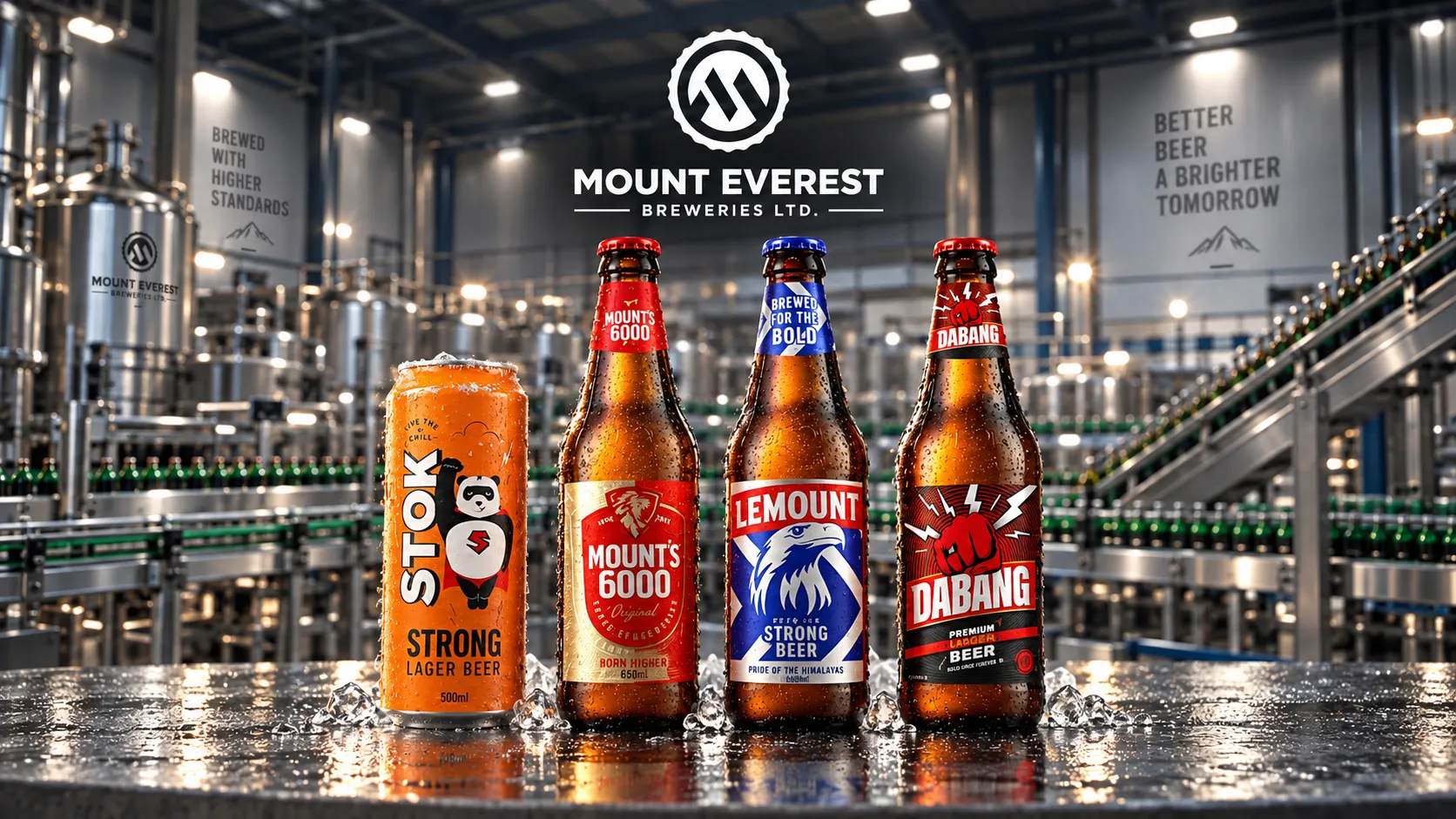

The best beer company brews consistent beer, controls quality at every step, and delivers fresh product to the right buyers. Ingredients, process discipline, and distribution decide who lasts. Weak operators fail fast when demand shifts in a crowded market. U.S. craft brewer volume fell 4% in 2024, so every batch counts now. Costs keep rising, and drinkers switch brands with ease. Brewers who master the basics keep their buyers. This post breaks down the core factors behind successful beer manufacturing. You will learn how brewers make beer, how they protect quality, and which food safety standards matter to drinkers.
What Makes the Best Beer Company Successful?
A successful brewer wins on four things: ingredient quality, process control, brand consistency, and distribution reach. Buyers return when every bottle tastes the same. A brewer that gets these four right builds trust, keeps costs steady, and grows without cutting corners.
Mount Everest Breweries Limited is an Indian brewing company focused on beer manufacturing, quality, and consistent production. Its approach reflects the importance of combining modern brewing practices with reliable quality control.
Core Factors in Beer Manufacturing
- Ingredients: Malt, hops, yeast, and water set the flavour before brewing starts.
- Process: Mash temperature, boil time, and fermentation control repeat results.
- Packaging: Clean kegs, cans, and bottles protect freshness.
- Distribution: Cold storage and fast delivery keep beer stable.
How the Best Beer Company Balances Craft and Scale
Craft brewers work in small batches and test new recipes. Large plants brew high volumes and protect repeatability. Both models succeed when they hold flavour steady from the first batch to the last.
How Is Beer Manufactured Step by Step?
Brewers mill malt, mash it with hot water, boil the wort with hops, cool it, add yeast, ferment, condition, and package the beer. Each stage needs tight control and clear records. Ales finish faster than lagers, and style sets the timeline.
Brewing and Fermentation Stages
Mashing turns malt starch into fermentable sugar. Boiling adds hop bitterness and sterilises the wort. Yeast then turns sugar into alcohol and carbon dioxide. Temperature control during fermentation shapes flavour more than any other step.
Scaling Production Without Losing Flavour
Scaling from pilot batches to full tanks changes heat transfer and yeast behaviour. The best beer company runs trial batches first, then adjusts recipes. Large-scale lager brewing follows the same steps, only with bigger tanks and tighter automation.
How Do Breweries Keep Beer Quality Consistent?
Breweries keep quality steady through documented recipes, lab testing, sanitation routines, and food safety systems. Staff test samples at each stage. They record results and trace every batch to its ingredients. This routine catches problems before beer reaches a shelf.
HACCP and ISO 22000 Standards
HACCP identifies hazards and sets control points. The ISO 22000 food safety standard builds HACCP into a full management system. Both cover hygiene, traceability, and staff training.
Sensory and Lab Testing
The best beer company treats testing as routine, not a final check. Labs measure alcohol content, bitterness, colour, and microbes. Trained tasters check aroma and flavour. Together, these tests confirm that each batch matches the recipe.
Conclusion
The best beer company earns trust through repeatable quality. It starts with good ingredients, follows a tight brewing process, and tests every batch against a written standard. Food safety systems such as HACCP and ISO 22000 protect drinkers and the company's reputation. Packaging and distribution then carry that quality to the shelf.
Mount Everest Breweries Limited represents the role that consistent brewing, quality-focused production, and reliable manufacturing practices play in the Indian beer industry. Teams that review production results and address small issues early can maintain consistency as consumer preferences change.
Brewers who treat these factors as daily habits, not one-time projects, build stronger long-term operations. Drinkers experience the difference in every pour, while manufacturers that adapt without compromising consistency can continue developing their brands.
























Sign in to leave a comment.