

Tea offers a wonderful variety of flavors, from delicate floral aromas and refreshing mint to rich fruit notes and warming spices. While traditional black, green, and oolong teas naturally contain caffeine, herbal infusions provide plenty of flavorful alternatives for people who prefer to enjoy a cup without it.
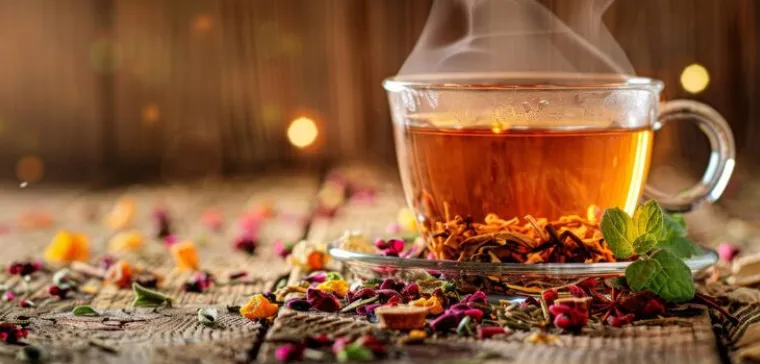
Choosing a caffeine-free tea does not mean compromising on aroma, taste, or variety. Flowers, fruits, herbs, roots, and spices can create complex infusions that are equally enjoyable hot or iced. Whether you want a refreshing afternoon drink, a gentle evening infusion, or a vibrant fruit tea to serve on a warm day, exploring different flavor profiles can help you find a blend that suits your routine.
What Makes Caffeine-Free Tea Different?
Caffeine-free tea usually refers to an infusion made from ingredients that do not naturally contain caffeine, rather than traditional tea leaves. Chamomile, hibiscus, rose petals, mint, and many dried fruits are common ingredients in these botanical blends.
It is important to distinguish naturally caffeine-free herbal tea from decaffeinated tea. Decaffeinated black or green tea has undergone processing to remove most of its caffeine, but small amounts may remain. Herbal infusions made exclusively from naturally caffeine-free ingredients offer another option.
When choosing a blend, check the ingredient list carefully. Some products described as herbal or wellness teas include green tea, black tea, or other caffeine-containing ingredients.
For a more detailed explanation, read Does Herbal Tea Contain Caffeine?, which explores the differences between herbal infusions and traditional tea varieties.
1. Floral Tea: Delicate, Fragrant, and Aromatic
Floral tea is an excellent starting point if you enjoy subtle aromas and a light, delicate flavor. Ingredients such as chamomile, rose petals, lavender, and elderflower are commonly used to create fragrant herbal blends.
Chamomile has a gentle floral character with a naturally soft taste. Lavender offers a more pronounced aromatic quality, while rose petals bring an elegant fragrance that pairs beautifully with fruit and other flowers.
These ingredients can be blended together to create a layered infusion without relying on artificial sweetness. Floral tea is particularly enjoyable when you want a warm drink during a quiet afternoon or as part of an evening tea ritual.
A good example is Chamomile Mint, a naturally caffeine-free blend featuring chamomile, lavender, rose, spearmint, and valerian root. Its floral notes are balanced by the fresh character of mint, creating a rounded and aromatic cup.
If you prefer a delicate tea that does not taste overly fruity or spicy, floral herbal blends are worth exploring.
2. Fruity Tea: Bright, Sweet, and Refreshing
Fruity herbal tea offers a completely different experience. Ingredients such as strawberry, apple, elderberry, rosehips, and hibiscus can introduce a combination of sweetness, tartness, and vibrant color.
Hibiscus is particularly popular in fruit infusions because it produces a deep red color and a tangy flavor reminiscent of cranberries. Strawberry and elderberry can add sweeter fruit notes, while rosehips contribute a distinctive tart character.
One blend worth exploring is Pink Rose Strawberry. This naturally caffeine-free infusion combines hibiscus, strawberry, rose, rosehips, elderflower, and elderberry for a fruity flavor with delicate floral notes.
Fruity tea is also a great option for iced tea. Brew the infusion according to its instructions, allow it to cool, and serve it over ice. You can add a slice of lemon or a few fresh berries if you want to complement its existing flavor.
If you enjoy colorful, refreshing drinks, fruity herbal tea can be a versatile choice throughout the year.
3. Mint Tea: Fresh and Cooling
Mint is one of the most recognizable ingredients in herbal tea. Its crisp, refreshing character can make an infusion feel light and clean, whether served hot or chilled.
Spearmint has a relatively gentle, slightly sweet flavor, while peppermint tends to offer a stronger cooling sensation. Both can be enjoyed alone or combined with chamomile, rose, ginger, or citrus ingredients.
Mint also works well in blends where other ingredients have a stronger flavor. For example, pairing mint with chamomile creates a balance between floral softness and refreshing herbal notes.
When shopping for mint tea, check whether the blend contains only herbs or includes traditional tea leaves as well. A pure mint infusion is naturally caffeine-free, whereas a mint-flavored green or black tea still contains caffeine.
This makes ingredient awareness especially important when choosing the best caffeine free tea for your preferred time of day.
4. Spiced Herbal Tea: Warm and Full of Character
If you prefer richer flavors, spiced herbal blends offer an interesting alternative to floral and fruity infusions. Ginger, cinnamon, turmeric, cardamom, and black pepper can add warmth and aromatic depth.
Ginger has a bold, slightly peppery character, while cinnamon contributes a familiar sweet-spice aroma. Turmeric offers an earthy flavor, and cardamom introduces a distinctive fragrance.
However, not every spiced tea is caffeine-free. Traditional masala chai is usually made with black tea, and some ginger or turmeric blends also include green tea. Always check the base ingredients before choosing a caffeine-free option.
For a caffeine-free spiced blend, look for products made exclusively with herbs, roots, spices, and other naturally caffeine-free botanicals. These can provide a flavorful cup without the caffeine found in conventional chai.
Spiced herbal tea is particularly appealing during cooler weather or whenever you want a warm, aromatic drink with a more pronounced flavor.
5. Berry and Botanical Blends: A Balance of Fruit and Herbs
Some of the most interesting caffeine-free teas combine several flavor families rather than focusing on one ingredient. Berry and botanical blends, for example, can bring together tart hibiscus, sweet fruit notes, floral aromas, and earthy herbs.
This approach creates more complexity in the cup. A fruity ingredient may provide the first impression, followed by floral notes and a slightly tart finish. Herbs can add another layer without overwhelming the fruit.
When exploring these blends, consider whether you prefer a naturally tart infusion or one with sweeter, softer notes. Hibiscus-forward teas tend to have more noticeable acidity, while blends featuring strawberry or rose can offer a rounder flavor.
You can explore the Caffeine-Free Teas collection to discover botanical blends with different flavor profiles, including floral, minty, and berry-inspired options.
How to Choose the Best Caffeine Free Tea for Your Taste
The best caffeine free tea depends on the flavors you enjoy and how you plan to drink it.
If you prefer gentle aromas, start with chamomile, lavender, or rose. For a brighter cup, try hibiscus, strawberry, or elderberry. Mint is a useful choice if you enjoy a refreshing herbal finish, while spiced blends offer a richer alternative.
You should also consider when you intend to drink your tea. Floral and mint infusions can fit naturally into an evening routine, while fruity herbal tea can be refreshing during the afternoon. If you prefer iced drinks, hibiscus and berry blends are especially versatile.
Pay attention to the preparation instructions as well. Water temperature and steeping time affect how botanical ingredients release their aroma and flavor. Using fresh filtered water and allowing the blend to steep for the recommended time can help produce a more balanced cup.
Enjoy Caffeine-Free Tea Hot or Iced
One advantage of herbal tea is its versatility. The same blend can provide a comforting warm drink or become a refreshing chilled infusion.
For hot tea, follow the recommended brewing instructions and use a cup that allows you to enjoy the aroma as the ingredients steep. For iced tea, you can prepare a slightly concentrated infusion, let it cool, and pour it over ice.
Fruity blends often work particularly well when chilled because their tart and sweet notes become refreshing. Floral blends can also be served cold, especially when paired with citrus or fresh fruit.
For inspiration, explore the Pink Rose Strawberry blend, which combines floral and fruit flavors in a naturally caffeine-free infusion.
Find Your Favorite Caffeine-Free Flavor
From delicate chamomile and aromatic lavender to vibrant hibiscus, sweet strawberry, refreshing mint, and warming spices, caffeine-free herbal tea offers a wide range of flavors to discover.
The best approach is to start with the flavor family you enjoy most and then experiment with blends that combine complementary ingredients. Check the ingredient list to confirm that your chosen tea is naturally caffeine-free, especially if you are avoiding caffeine completely.
With thoughtfully crafted botanical infusions, Brook37 makes it easy to explore floral, fruity, and herbal flavor profiles and find a tea that fits your personal preferences. Whether you enjoy your cup hot during a quiet evening or chilled on a warm afternoon, caffeine-free tea can bring variety and enjoyment to your daily tea ritual.

















Sign in to leave a comment.