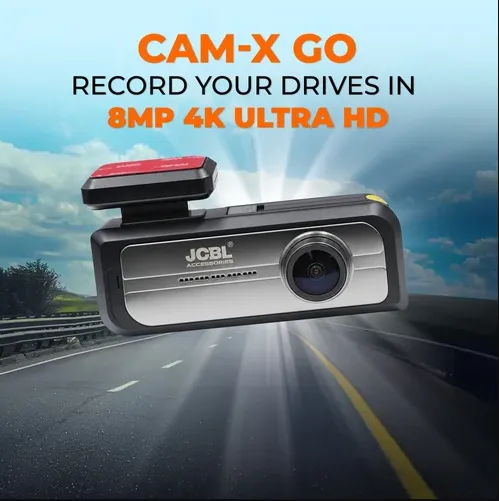

Driving on busy roads requires attention, patience, and the right accessories. From unexpected traffic incidents to parking damage, several situations can create problems for car owners. A dash camera is a useful accessory that records road activity and helps drivers maintain a reliable video record of their journeys. Choosing the best dash cam for car use can make everyday driving more convenient and provide additional peace of mind.
Modern dash cams offer features such as high-resolution recording, night vision, GPS tracking, parking surveillance, and smartphone connectivity. However, the right choice depends on your vehicle, driving habits, budget, and preferred features. Understanding these options can help you select a camera that delivers reliable performance without unnecessary expenses.
Why Every Car Owner Should Consider a Dash Cam
A dash cam is a compact camera installed inside a vehicle to record the road while driving. Most models mount near the rear-view mirror and automatically begin recording when the engine starts or power becomes available.
One of the biggest advantages is the ability to capture unexpected incidents. If a collision, sudden braking event, or road dispute occurs, recorded footage may help explain what happened. Depending on local laws and the circumstances, the footage may also support an insurance claim.
Dash cams can offer several other benefits, including:
- Accident documentation: Record important details before, during, and after an incident.
- Parking protection: Certain models monitor activity around a parked vehicle.
- Driver awareness: Reviewing footage can help identify unsafe driving habits.
- Travel records: Save memorable road trips and scenic drives.
- Additional security: Some cameras record suspicious activity near the vehicle.
Although a dash cam cannot prevent every accident, it can provide valuable information when questions arise about an incident.
Important Features to Look for in the Best Dash Cam for Car
Not every dash cam offers the same recording quality or functionality. Before purchasing one, compare the features that matter most for your driving conditions.
1. High-Resolution Video Recording
Video quality is one of the most important factors when selecting a dash cam. A camera with Full HD 1080p recording can be suitable for everyday use, while 2K and 4K models offer greater detail.
Higher resolution can help capture road signs, vehicle positions, and other important details. However, the final quality also depends on the camera sensor, lens, lighting, and video compression.
For regular city driving, a good-quality Full HD camera may be sufficient. Drivers who frequently travel on highways may prefer a 2K or 4K model for additional detail.
2. Night Vision and Low-Light Performance
Many road incidents happen during early mornings, evenings, or nighttime journeys. A dash cam should therefore deliver clear footage in changing lighting conditions.
Look for a camera with a quality image sensor, wide dynamic range (WDR), and good low-light performance. These features can help balance bright headlights and darker surroundings.
Remember that a camera advertised as having night vision may not always produce clear footage in complete darkness. Check sample recordings and independent reviews before making a purchase.
3. Wide-Angle Lens
A wide-angle lens helps capture more of the road in front of the vehicle. Many dash cams offer a field of view between approximately 120 and 170 degrees.
A wider view can help record activity in neighboring lanes and near intersections. However, an extremely wide lens may distort objects near the edges of the image.
Choose a model that balances road coverage with clear, detailed footage.
4. Front and Rear Camera Recording
A single front-facing camera records activity ahead of the vehicle. A dual-channel dash cam adds a rear camera, allowing drivers to record traffic behind the car as well.
This setup can be useful in busy urban areas, during highway journeys, and when documenting rear-end collisions. Some advanced systems also support cabin recording, which may be relevant for commercial vehicles or specific personal requirements.
Before buying a dual-camera model, check whether the rear camera is included and whether installation requires additional wiring.
5. Parking Monitoring
Parking surveillance is a valuable feature for people who regularly park in public spaces, apartment complexes, or crowded markets.
A compatible dash cam may record when it detects an impact or movement while the vehicle is parked. However, parking mode often requires a hardwiring kit, a compatible external battery, or another suitable power solution.
Check the manufacturer's power requirements before using this feature. Incorrect installation can drain the car battery, so professional installation may be worthwhile.
Additional Features That Make Driving More Convenient
Along with core recording functions, several extra features can improve the overall experience.
GPS tracking can record location and speed information alongside video, depending on the model and settings. This information may help when reviewing a journey, although speed data should be checked carefully before being used in any dispute.
Wi-Fi and smartphone connectivity allow users to view recordings or transfer clips through a compatible mobile application. This can be more convenient than removing the memory card every time a video is needed.
Loop recording automatically overwrites older footage when the memory card becomes full. Important clips are generally protected when the camera detects an impact, although protection systems are not guaranteed to work in every situation.
A G-sensor detects sudden movement, such as a collision or heavy braking, and may lock the relevant recording to reduce the chance of it being overwritten.
Some drivers also invest in other practical upgrades. For example, an electric side step for Tata Harrier can make getting into a high-riding SUV easier, while an app controlled electric side step can provide convenient control through a compatible smartphone application. These accessories serve a different purpose from dash cams but can contribute to a more convenient driving experience.
How to Choose the Right Dash Cam for Your Car
The best dash cam depends on how and where you drive. Instead of choosing a model based only on price or advertised specifications, consider your daily requirements.
For Daily City Driving
A Full HD or 2K front camera with reliable loop recording, a wide-angle lens, and good low-light performance can be a practical choice. Smartphone connectivity is useful if you want to access recordings quickly.
For Frequent Highway Travel
Consider a 2K or 4K model with strong daytime image quality, dependable night recording, and a rear camera. Clear footage is especially important when vehicles travel at higher speeds and details may be visible only briefly.
For Parking Security
Choose a dash cam with parking mode and check whether it supports impact detection, motion detection, and low-power operation. You may need compatible power accessories to keep it working when the engine is off.
For Budget-Conscious Buyers
A basic Full HD model from a reputable manufacturer may meet everyday recording needs. Prioritize dependable recording, a good sensor, and reliable storage support rather than paying extra for features you will rarely use.
Tips for Installing and Maintaining a Dash Cam
Correct installation is essential for getting useful footage. Position the camera behind or near the rear-view mirror without obstructing the driver's view. Adjust the angle so that the road occupies most of the frame while the horizon remains reasonably level.
Use a compatible, high-endurance memory card if recommended by the manufacturer. Continuous recording can place significant demands on storage cards, and an unsuitable card may cause recording errors.
Clean the lens regularly to remove dust and fingerprints. Check recordings from time to time to confirm that the camera is working properly and that the date and time settings are accurate.
If your camera includes a rear unit or parking mode, follow the installation instructions carefully. Keep cables secured away from airbags, pedals, and other moving parts.
Also, review local rules regarding recording, privacy, and the use of footage. Avoid placing the camera where it blocks visibility, and handle recordings of other people responsibly.
Common Mistakes to Avoid When Buying a Dash Cam
One common mistake is choosing a camera based entirely on its advertised resolution. A 4K label does not automatically guarantee better footage than every 2K model. Sensor quality, lens performance, and image processing also matter.
Another mistake is ignoring memory card compatibility. Even a good camera may fail to save important footage if the storage card is unsuitable or damaged.
Some buyers also overlook installation costs, rear-camera wiring, and the power requirements of parking surveillance. Check the complete setup cost before making a final decision.
Finally, do not assume that every dash cam records continuously while the car is parked. Verify the parking mode and power setup required by the specific model.
Conclusion
Choosing the best dash cam for car use is about finding the right balance between recording quality, useful features, reliability, and price. A good camera should capture clear footage in different lighting conditions, store important recordings safely, and remain easy to operate.
For everyday driving, a reliable Full HD or 2K camera may be enough. Frequent highway users may benefit from higher resolution and rear-camera recording, while drivers concerned about parking incidents should consider a model with suitable parking surveillance.
Before purchasing, compare real-world video samples, storage requirements, warranty coverage, and installation options. With the right dash cam installed correctly, you can keep a useful record of your journeys and feel better prepared to document unexpected road incidents.



















Sign in to leave a comment.