

Good lighting can completely change how a room feels, but keeping lights on for long periods can also add to household electricity use. Choosing efficient lighting is a simple way to make everyday routines more practical without sacrificing brightness or comfort. The Best Energy Saving Light Bulbs can provide useful illumination while using less electricity than older, less efficient lighting options.
Why Does Energy-Efficient Lighting Matter?
Lighting is something most households use every day, often for several hours at a time. While one light may not seem like a major source of energy use, the total can become significant when multiple bulbs are operating throughout a property.
Energy-efficient bulbs are designed to produce useful levels of light while consuming less electricity. This makes them an easy starting point for homeowners looking to reduce unnecessary energy consumption.
Replacing frequently used bulbs can be especially worthwhile because the benefit is repeated every time the light is switched on.
What Makes a Light Bulb Energy Efficient?
Energy efficiency is not simply about how bright a bulb appears. It is also about how effectively it converts electricity into usable light.
LED technology has become a popular choice because LED bulbs generally use less electricity than traditional incandescent bulbs while offering a range of brightness levels, colour temperatures and shapes.
When choosing a bulb, consider:
- Wattage: Lower wattage can mean lower electricity consumption, but compare brightness as well.
- Lumens: This indicates the amount of visible light produced.
- Colour temperature: Choose warm, neutral or cool light according to the room and atmosphere you want.
- Lifespan: A longer-lasting bulb may reduce the frequency of replacements.
- Fitting type: Make sure the bulb matches the existing light fitting.
Looking at these factors together makes it easier to choose lighting that suits both your home and your daily needs.
LED Bulbs: A Practical Choice for Modern Homes
LED bulbs are now widely used for general household lighting because they combine efficiency with flexibility. They are available in many common fittings, making them suitable for bedrooms, kitchens, hallways, living rooms and other spaces.
One of the main advantages of LED lighting is that it can deliver a useful amount of illumination without requiring the higher wattage associated with older technologies.
LEDs can also be useful when replacing bulbs in areas where lights are used frequently. The more often a light is used, the more important its energy consumption can become over time.
How Bright Should Your Bulbs Be?
Choosing the brightest bulb available is not always the best approach. Different rooms require different levels of illumination depending on their purpose.
A bedroom may benefit from softer, warmer lighting, while a kitchen worktop may need brighter and more focused illumination.
Think about the activity taking place in each room:
- Bedroom: Softer lighting can create a relaxing atmosphere.
- Living room: Medium, comfortable lighting works well for everyday activities.
- Kitchen: Brighter lighting can make food preparation easier.
- Hallway: Moderate lighting is often sufficient for movement and visibility.
- Home office: Clear, comfortable illumination can support reading and focused tasks.
Selecting the appropriate brightness helps prevent unnecessary energy use from over-lighting a space.
Create More Flexible Lighting with Dimming
Efficient bulbs can become even more practical when you have control over how much light is being produced. A dimmer allows you to adjust brightness according to the time of day and activity.
An Adjustable Led Dimmer Switch can be useful for compatible LED lighting because it gives you greater control over the amount of illumination in a room.
For example, you may want brighter light while reading or working but prefer a softer setting during the evening. Instead of always operating the light at maximum brightness, dimming provides another way to tailor your lighting.
However, not every LED bulb is dimmable, and not every dimmer is compatible with every LED system. Always check compatibility before installation.
Where Can Energy-Saving Bulbs Make the Biggest Difference?
Energy-efficient bulbs can be used throughout the home, but replacing bulbs in frequently used areas can be a sensible starting point.
Consider rooms where lights are switched on regularly or remain illuminated for extended periods. Kitchens, living rooms, hallways and home offices may all fall into this category.
Outdoor lighting can also be worth considering, particularly where lights operate for several hours each evening.
Rather than replacing every bulb at once, homeowners can prioritise frequently used fittings and gradually update the rest of the property.
Simple Habits That Make Efficient Lighting Even Better
Choosing efficient bulbs is only part of reducing lighting-related energy use. Everyday habits can also make a difference.
Try these simple changes:
- Switch lights off when leaving an empty room.
- Make use of natural daylight whenever possible.
- Avoid illuminating rooms unnecessarily.
- Clean light fittings periodically so dirt does not reduce useful illumination.
- Use appropriate brightness for each room.
- Consider timers or controls for lights that are frequently left on.
These habits require little effort and can complement the benefits of energy-efficient bulbs.
Check the Bulb Before You Buy
It is tempting to focus only on price when choosing replacement bulbs, but the cheapest option is not necessarily the most suitable.
Check the bulb’s fitting, brightness, colour temperature and whether it is suitable for the intended fixture. If you plan to use a dimmer, confirm that the bulb is specifically designed for dimming.
For enclosed fittings or specialist fixtures, also check the manufacturer’s recommendations. Choosing a bulb based on the actual application can help avoid poor performance or compatibility issues.
Make Lighting Part of a Smarter Energy Plan
Efficient lighting can be one part of a broader household energy-saving strategy. Small improvements across different areas of the home can work together to reduce unnecessary energy consumption.
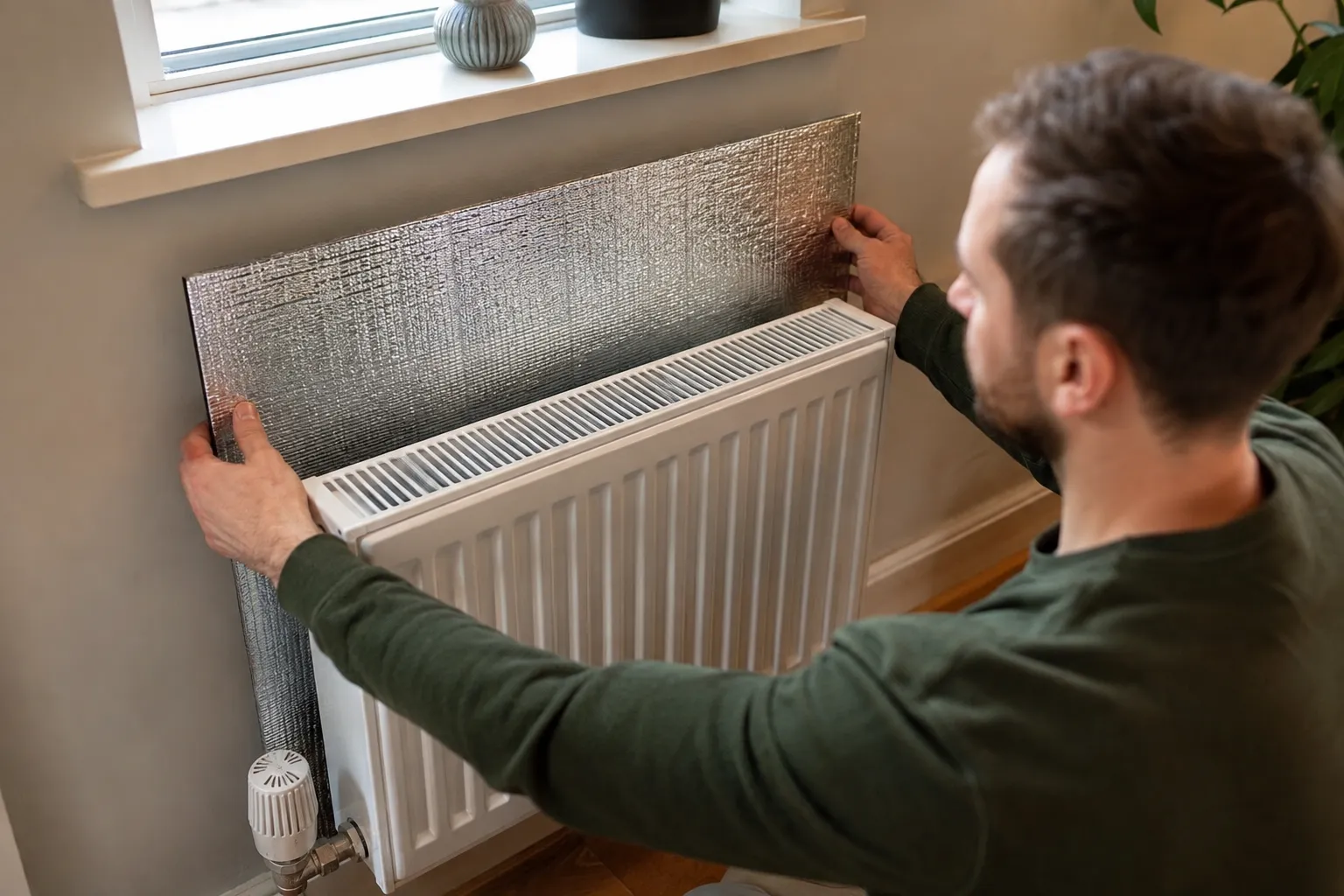
Alongside efficient bulbs, homeowners can consider better heating controls, insulation, draught-proofing and other practical improvements. The aim is not to make the home less comfortable, but to use energy more thoughtfully.
Lighting is particularly easy to address because changing a frequently used bulb can be a relatively simple improvement with an ongoing effect.
Final Thoughts
Choosing the Best Energy Saving Light Bulbs is a straightforward way to improve everyday lighting while being more mindful of electricity use. By considering brightness, fitting type, colour temperature and usage patterns, homeowners can select bulbs that provide the right balance of comfort and efficiency.
Adding compatible lighting controls such as an Adjustable Led Dimmer Switch can provide even more flexibility where dimming is appropriate. For those exploring practical ways to improve household efficiency, Low Energy Supermarket offers solutions that can support a more energy-conscious home without making everyday living unnecessarily complicated.



























Sign in to leave a comment.