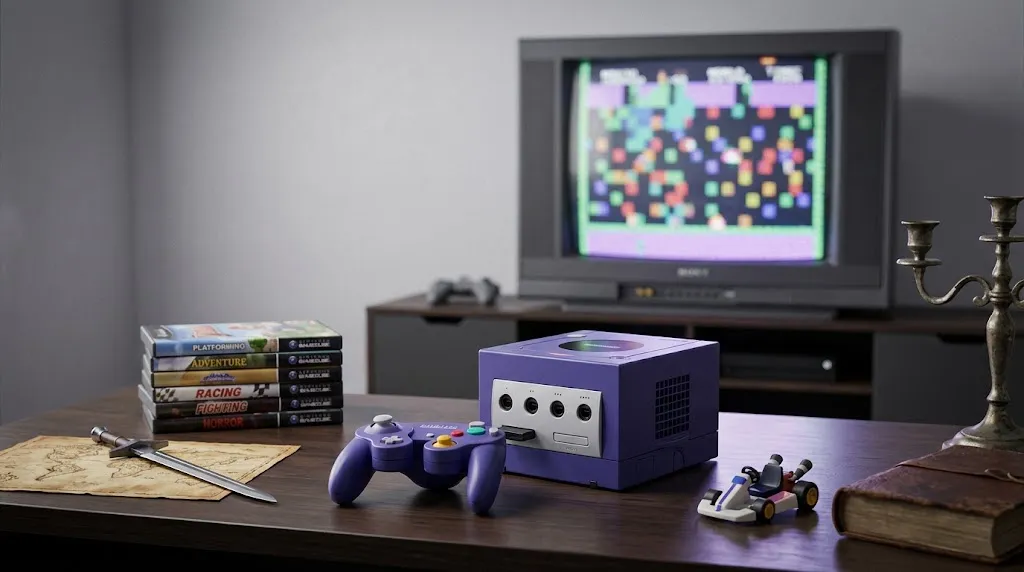


Choosing the best game of all time is almost impossible because great games succeed for different reasons. Some redefine storytelling, others transform multiplayer, while a few become cultural landmarks that influence an entire generation of players. A game released decades ago can still feel more memorable than a technically impressive modern title if its characters, mechanics, world or sense of discovery remain unforgettable.
Rather than focusing on graphics or sales alone, the strongest contenders tend to combine innovation, accessibility and lasting influence. They give players something that feels distinctive and continue to be discussed long after the credits roll.
What Makes a Game the Best of All Time?
There is no universal formula for deciding which game deserves the number-one spot. Personal taste matters, but several qualities consistently separate legendary games from ordinary releases.
Gameplay is usually the foundation. A great game needs mechanics that are enjoyable enough to keep players engaged, whether that means exploring a huge open world, mastering precise combat, solving puzzles or competing against other players.
Innovation also matters. Games such as Super Mario 64 demonstrated how developers could successfully translate established ideas into three-dimensional spaces, while The Legend of Zelda: Ocarina of Time showed how exploration, combat and storytelling could work together in a richly designed world.
Then there is influence. Some games become reference points for future developers, establishing mechanics, design ideas or storytelling techniques that appear in countless later releases.
Games That Belong in the Conversation
Several titles regularly appear whenever players debate the best game of all time.
Super Mario Bros. remains one of the most important platform games ever released. Its straightforward controls, carefully designed levels and instantly recognisable character helped establish a blueprint that countless platformers would follow.
The Legend of Zelda: Ocarina of Time is another enduring contender. Its combination of exploration, puzzles, combat and adventure created an experience that remains highly regarded decades after its original release.
Minecraft deserves consideration for a completely different reason. Instead of giving players a tightly controlled adventure, it provides a sandbox where creativity becomes the central mechanic. Its longevity demonstrates how powerful player freedom can be.
Grand Theft Auto V also stands out because of its enormous world, character-driven campaign and long-running online component. Its ability to attract players years after launch shows how a game can evolve beyond its original release.
More recently, games such as Elden Ring have demonstrated that ambitious single-player experiences can still generate enormous global enthusiasm. Its open-ended exploration and challenging combat gave players considerable freedom in how they approached the world.
Why Older Games Still Compete With Modern Releases
Modern games have advantages that earlier generations could not offer. Powerful hardware allows developers to create enormous environments, sophisticated physics, detailed character models and cinematic presentation.
Yet technical improvements do not automatically create memorable experiences.

Older games often succeeded because designers had to work within strict limitations. Limited storage, processing power and hardware capabilities encouraged developers to focus carefully on level design, controls and replayability.
That is one reason classic games continue to attract new audiences. A player discovering Super Metroid or Resident Evil for the first time may not be impressed by its resolution, but the underlying design can still feel remarkably effective.
Gaming history also gives players useful perspective. Exploring titles from different generations makes it easier to understand how modern genres developed and why certain mechanics became industry standards.
Is the Best Game of All Time Really One Game?
Probably not.
The idea of a single winner is entertaining, but gaming covers too many genres and experiences for one title to satisfy everyone. Someone who values competitive play may choose a completely different game from a player who prioritises storytelling or exploration.
A better way to approach the question is to consider what a game achieved and how successfully it delivered its intended experience.
A useful shortlist might include:
- Best for platforming: Super Mario Bros. or Super Mario 64
- Best for exploration: The Legend of Zelda: Breath of the Wild
- Best for storytelling: The Last of Us
- Best for creative freedom: Minecraft
- Best for open-world crime drama: Grand Theft Auto V
- Best for challenging action RPG gameplay: Elden Ring
- Best for competitive multiplayer: Counter-Strike or Street Fighter II
For readers who enjoy exploring gaming history, MediaMagus offers another useful place to discover games, gaming culture and related entertainment topics.
The Real Winner Depends on the Player
The best game of all time is ultimately a personal choice, but that does not make the debate meaningless. Comparing landmark titles reveals how dramatically games have evolved, from simple arcade-inspired challenges to enormous interactive worlds.
The most deserving candidates are usually games that do more than entertain for a few hours. They create memorable experiences, introduce ideas that influence other developers and give players reasons to return years later.
Whether the choice is a beloved childhood classic or a modern masterpiece, the best game is often the one that leaves the strongest impression. That lasting connection is something technology alone cannot creat
























Sign in to leave a comment.