

Living in a flat or a small house does not mean you have to give up your dream of having a garden. Even a narrow balcony, a sunny window or an unused corner can become a lovely place for growing plants. The secret is to make smart use of the space you already have.
With the right plant selection and a little daily attention, home gardening can become an enjoyable part of your routine. You can grow fresh herbs for cooking, add flowers to your balcony or even try a few vegetables without spending too much money.
Here are some useful suggestions to assist you in designing a garden that fits your house and way of life.
1. Turn an Empty Balcony into a Green Corner
Before buying plants, look at your balcony throughout the day. Does it receive strong morning sunlight, afternoon heat or mostly shade? This simple observation will help you choose plants that have a better chance of growing well.
For a sunny balcony, try marigolds, chillies or compact tomato plants. If your space receives less direct sunlight, consider money plants and other foliage varieties suited to those conditions.
You may place pots along one side of the balcony and leave the rest of the space unobstructed. This makes the space look organised and gives you enough room to water and care for your plants.
2. Grow Everyday Kitchen Ingredients
Imagine picking fresh mint or coriander just before preparing lunch. A small kitchen garden can achieve this without needing a separate outdoor space.
Mint can spread quickly, so growing it in its own container is a sensible choice. Coriander can be sown in a shallow pot, while green chillies need a deeper container and good sunlight.
Start with ingredients your family regularly uses. There is little benefit in growing plants that you rarely need. Sow small quantities at first and plant more once you understand how much space and care they require.
3. Look Up Instead of Using More Floor Space
When every corner of your balcony is occupied, vertical gardening can help you add greenery without filling the floor with pots.
A sturdy plant stand, wall-mounted planter or hanging basket can create different levels for your plants. Trailing plants look attractive in raised containers, while climbing vegetables can grow along a properly supported trellis.
For Indian homes, this approach can be especially useful in compact apartments. However, make sure hanging pots are secured properly and that water does not drip onto neighbouring balconies. Always check the strength of the wall or railing before attaching heavy planters.
4. Try Growing Vegetables in Containers
You do not need a large patch of land to enjoy homegrown vegetables. Several varieties can grow in pots if their basic needs are met.
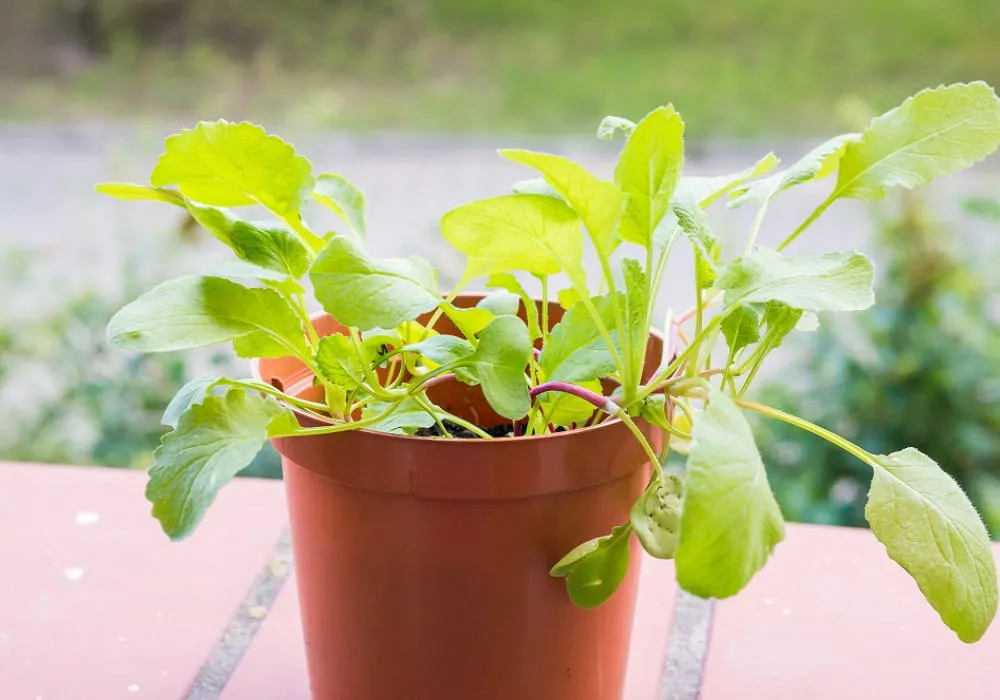
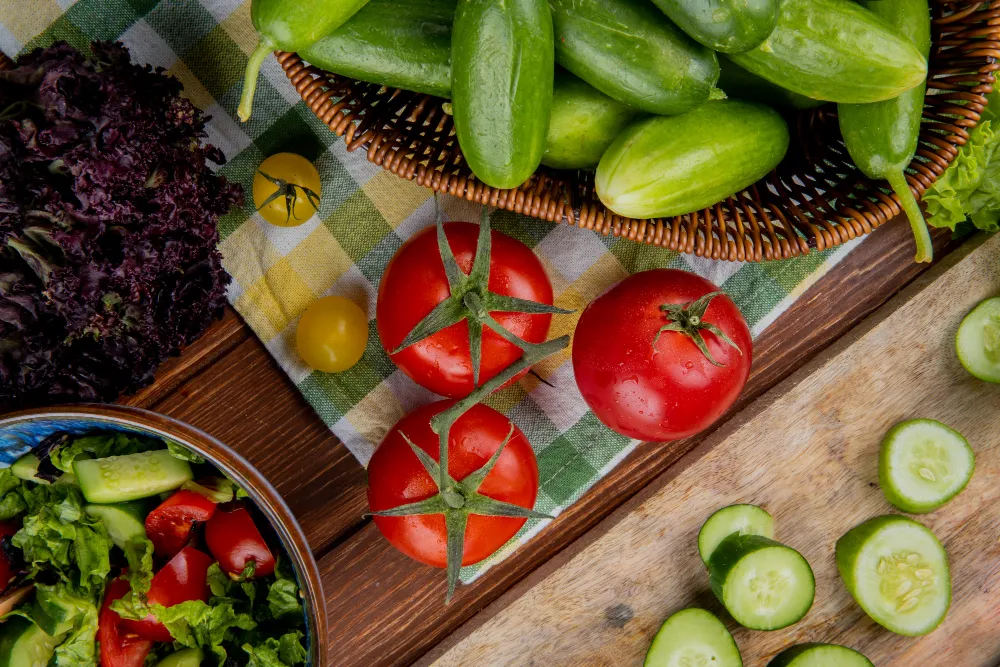
Spinach, radishes and green chillies are worth trying in a small garden. Tomatoes can also grow in containers, although they need sufficient sunlight, suitable pot sizes and support as the plants become taller.
Choose containers according to the vegetable's root system instead of using the same pot for everything. Drainage holes are important because water that remains in the soil can harm the roots of plants.
If you have a bigger terrace, explore terrace vegetable garden ideas in India to make the most of your space and grow fresh vegetables at home.
These ideas can help you create a more efficient growing area by using containers, growing seasonal vegetables and plants that climb.
5. Add Flowers Without Crowding Your Balcony
A few flowering plants can make a small balcony feel cheerful and inviting. You do not need dozens of pots to create an attractive display.
Choose two or three varieties that suit your local weather. Marigolds and vinca are options to consider for sunny Indian balconies, while petunias are commonly grown during cooler months in many parts of the country.
Place taller plants towards the back and shorter ones in front. This arrangement allows you to see each plant more clearly and makes watering easier.
Remember that flowering plants may need regular removal of dried blooms, suitable feeding and enough sunlight to produce healthy flowers.
6. Make the Most of Reusable Containers
You can start gardening without buying costly decorative pots.Reusing old buckets, strong tubs, and other appropriate household containers can be effective as long as they are properly prepared.
Clean each container thoroughly and make drainage holes at the bottom. Avoid containers that previously held harmful chemicals. Choose a size that gives the plant enough room to develop its roots.
Use a loose growing mixture that holds some moisture but allows excess water to escape. Adding mature compost can improve the mixture and provide nutrients.
Remember that recycled containers must be sturdy enough to securely hold wet soil without breaking or falling over.
7. Follow a Simple Plant Care Routine
One of the biggest mistakes beginners make is watering every plant in the same way. A plant in a small pot exposed to summer sunlight may dry out faster than one growing in a shaded corner.
Check the soil before watering. If it is still moist, you may not need to add more water immediately. During hot Indian summers, check your containers more frequently because heat and dry winds can increase moisture loss.
Inspect leaves for insects, spots or unusual colour changes. Remove dead leaves and provide compost or suitable fertiliser according to the plant's requirements.
A short daily check is often enough to notice problems early and keep your garden manageable.
Conclusion
A small home can offer plenty of opportunities for growing plants when you plan the space carefully. Start with a few herbs, add flowers that suit your balcony and experiment with vegetables once you feel comfortable.
Home gardening is not about having the biggest collection of plants. It is about choosing varieties that fit your surroundings and learning how to care for them. With a little patience, even a modest balcony can become a useful and refreshing green space.
Frequently Asked Questions
1. How can I start home gardening with limited space?
Start by using two or three pots and select plants based on the amount of sunlight they receive.If there is not enough floor space, use vertical stands to help save space.
2. Which plants are suitable for a small Indian balcony?
Mint, coriander, tulsi, green chillies, marigolds and suitable foliage plants are good options, depending on local weather and sunlight.
3. Can I grow vegetables without a garden?
Yes. Vegetables such as spinach, radishes, chillies and compact tomato varieties can grow in containers with suitable soil, light and watering.
4. How often should balcony plants be watered?
There is no single schedule for every plant. Check the soil moisture, weather, pot size and plant requirements before watering.
5. Is home gardening expensive for beginners?
No. You can begin with a few affordable pots or safe, reusable containers, homemade compost where suitable and easy-to-grow plants. Add more supplies as your garden develops.
















Sign in to leave a comment.