

The search for the best ICSE school in India can lead parents to hundreds of schools, rankings and education portals. While rankings may provide useful information, choosing a school should involve a much broader evaluation.
ICSE schools follow a structured academic framework, but parents should look beyond examination results when comparing institutions. Teaching methodology, student support, extracurricular programmes, infrastructure and opportunities for personal development can all influence a child's school experience.
Understanding the ICSE Learning Environment
ICSE education is often associated with a broad academic approach that gives attention to languages, sciences, mathematics, humanities and other areas. For students who enjoy a varied academic programme, this can provide a strong foundation.
However, the curriculum is only one part of the equation. The way teachers deliver lessons and encourage students to ask questions, solve problems and apply concepts can significantly influence learning.
Parents searching for the top ICSE schools in India should therefore examine how schools approach experiential learning, technology, projects, sports, arts and leadership opportunities.
What About International Exposure?
The modern education landscape is becoming increasingly global. Students may eventually study at universities outside India, work with international teams or participate in global academic programmes.
An international school group can provide a wider perspective by connecting students, teachers and campuses across countries. Global Schools Group currently has a network of 64 campuses across 11 countries and brings together schools offering different curricula and educational approaches.
The network also highlights opportunities for international collaboration, student exchange, peer learning and interaction across cultures.
This type of exposure can complement classroom learning by helping students understand different perspectives and develop communication and collaboration skills.
Comparing Schools Beyond Rankings
Parents may encounter articles listing the top 10 schools in India or claiming to identify the best schools. Such lists can be useful for initial research, but they should not be the sole basis for choosing a school.
A practical comparison should include:
- Curriculum and academic structure
- Teacher qualifications and experience
- Student-teacher interaction
- Campus facilities
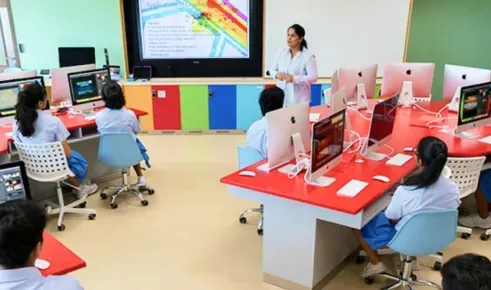
- Technology integration
- Sports and extracurricular activities
- University and career guidance
- Student wellbeing and support
- Location and transportation
- Fees and associated costs
Global Schools Group places emphasis on personalised learning, experienced faculty, technology-enabled infrastructure and holistic development across its network.
Preparing Students for the Future
Education is no longer limited to academic achievement. Students increasingly need communication, creativity, critical thinking, leadership and problem-solving abilities.
Schools that create opportunities for students to participate in projects, competitions, cultural programmes and collaborative activities can help develop these capabilities.
A global network can add another dimension by exposing students to peers and educational practices from different regions.
Conclusion
Finding the best ICSE school in India should begin with understanding what a child actually needs from their education. Academic structure matters, but so do teaching quality, extracurricular opportunities, infrastructure, university preparation and global exposure. Rather than choosing solely from a ranking, parents can make a more informed decision by comparing schools against their family's priorities and the student's long-term goals.



















Sign in to leave a comment.