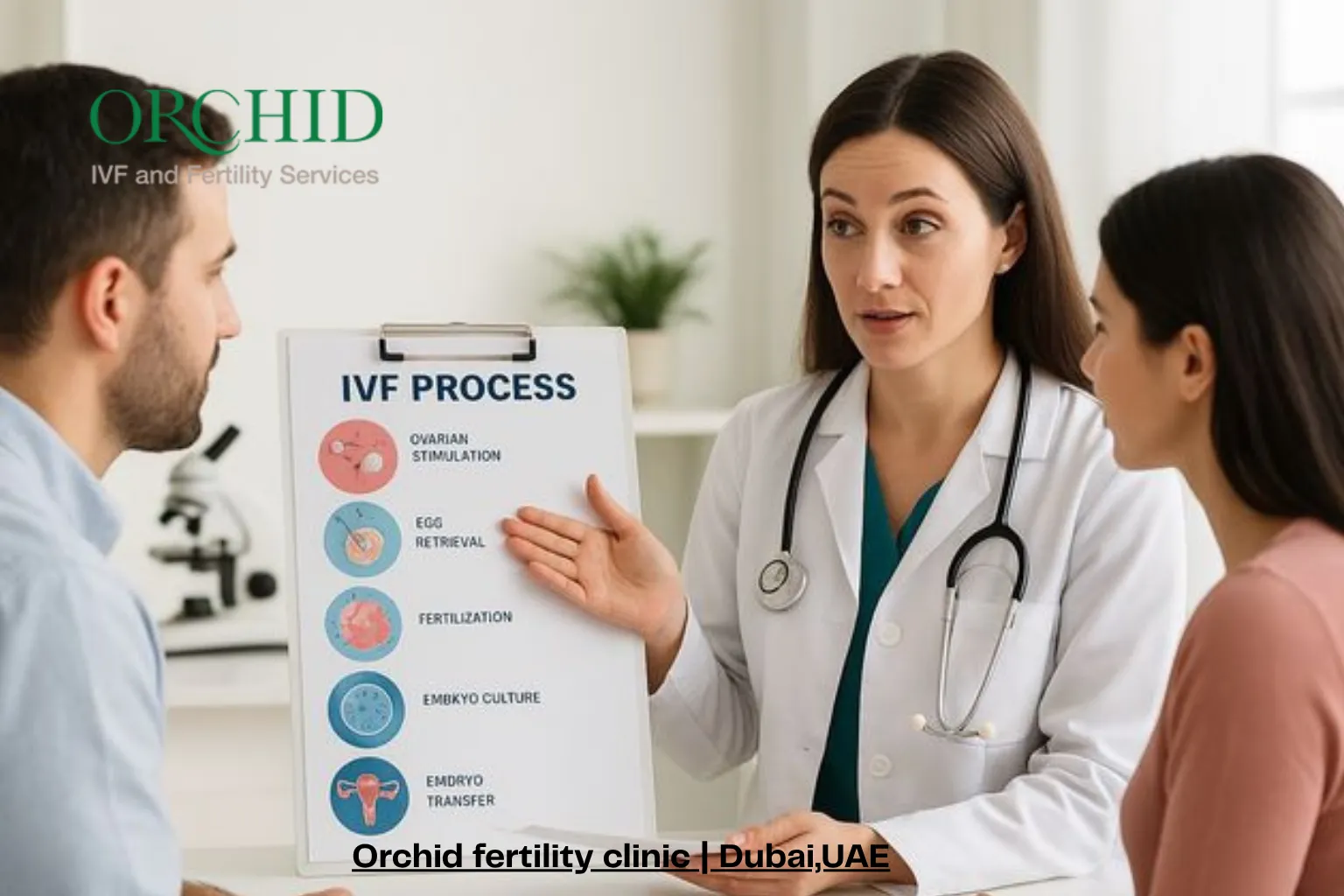

Starting a family can be an exciting dream, but fertility challenges can make the journey feel uncertain. Before beginning IVF treatment, understanding your options, choosing the right clinic, and knowing what to expect can help you take your next step with greater confidence.
Dubai offers a range of fertility services, from initial assessments to advanced assisted reproductive treatments. This guide explains how to choose a suitable clinic, understand the IVF process, compare treatment options, and prepare for the medical, emotional, and financial aspects of fertility care.
Why Choosing the Best IVF Center in Dubai Matters
Every fertility journey is different. Some people experience difficulties with ovulation, while others may have blocked fallopian tubes, reduced ovarian reserve, male fertility concerns, or unexplained infertility.
These differences matter because the most appropriate treatment depends on the underlying cause, medical history, age, and reproductive goals.
A suitable IVF Center in Dubai should begin with a detailed assessment rather than recommending the same treatment to everyone. Your specialist should explain the possible causes of your fertility concerns, discuss available options, and help you understand the potential benefits and limitations of each approach.
The aim is to make informed decisions with a medical team that prioritizes your individual needs.
1. Check the Experience and Qualifications of Fertility Specialists
The expertise of your fertility specialist is one of the first factors to consider when comparing clinics.
Look for appropriately licensed professionals with relevant training in reproductive medicine and experience managing different fertility conditions. A specialist should be able to interpret your test results, explain your options, and develop a treatment plan based on your circumstances.
During your first consultation, consider asking:
- What could be contributing to my fertility concerns?
- Which investigations do I need before treatment?
- Is IVF the most suitable option for me?
- What alternatives should I consider?
- What are the possible risks and limitations?
A good specialist will answer your questions clearly and give you time to consider your choices. You should never feel pressured to begin treatment before understanding the proposed approach.
2. Explore the Fertility Treatments Available
A comprehensive fertility clinic may offer several treatment options. Understanding the differences can help you have a more productive conversation with your specialist.
In Vitro Fertilization (IVF)
IVF involves collecting eggs from the ovaries and fertilizing them with sperm in a laboratory. The resulting embryos are monitored, and a suitable embryo may be transferred into the uterus.
IVF may be recommended for several fertility conditions, depending on the results of your medical assessment.
Intracytoplasmic Sperm Injection (ICSI)
ICSI involves injecting a single sperm directly into an egg. It may be recommended in selected cases involving male fertility factors or previous fertilization difficulties.
It is not necessary for every IVF cycle, so ask your specialist whether it is appropriate for your situation.
Intrauterine Insemination (IUI)
IUI involves placing prepared sperm directly into the uterus around the time of ovulation. It may be suitable for certain patients and is generally less invasive than IVF.
Fertility Preservation
Egg, sperm, or embryo freezing may help preserve reproductive options for future use. Your specialist can explain the available options, timing, eligibility, and factors that may affect future outcomes.
Not everyone needs the same treatment. A clinic should explain why a particular option is recommended and whether alternatives are appropriate.
3. Understand the IVF Process Before Starting
Knowing what happens during treatment can help you prepare for appointments and understand the timeline.
Step 1: Initial Consultation and Fertility Testing
Your journey generally begins with a discussion about your medical history, menstrual cycle, previous pregnancies, lifestyle, and how long you have been trying to conceive.
Depending on your circumstances, your doctor may recommend hormone blood tests, ultrasound scans, or a semen analysis.
These investigations help identify possible fertility concerns and guide the next steps.
Step 2: Personalized Treatment Planning
After reviewing your results, your specialist will explain the recommended treatment and discuss the expected timeline, medication, potential risks, and costs.
Use this appointment to raise concerns and clarify anything you do not understand.
Step 3: Ovarian Stimulation and Egg Retrieval
During a conventional IVF cycle, medication stimulates the ovaries to develop multiple follicles. Your medical team monitors your response through ultrasound scans and, when appropriate, blood tests.
When the follicles are ready, eggs are collected through a planned medical procedure, usually with sedation.
Step 4: Fertilization and Embryo Transfer
The collected eggs are fertilized in the laboratory using the recommended technique. Embryologists monitor embryo development to help determine which embryos may be suitable for transfer.
A fresh embryo transfer may take place during the same cycle, or embryos may be frozen for a later transfer, depending on your treatment plan.
Your clinic will explain when to take a pregnancy test and what instructions to follow afterward.
4. Compare Success Rates Carefully
Success rates can help you evaluate fertility clinics, but the figures need to be understood in context.
IVF outcomes vary according to age, ovarian reserve, sperm health, embryo development, and the underlying cause of infertility. No clinic can guarantee pregnancy.
When comparing results, ask:
- Are the figures pregnancy rates or live birth rates?
- Are outcomes measured per treatment cycle started or per embryo transfer?
- Are the results relevant to patients in my age group?
- How does my medical history affect my expected outcome?
For example, a clinic reporting pregnancies per embryo transfer is measuring something different from a clinic reporting live births per cycle started.
A transparent specialist will explain these differences and discuss realistic expectations for your individual circumstances rather than relying on impressive numbers alone.
5. Evaluate Laboratory Standards and Technology
The IVF laboratory plays an important role in egg handling, fertilization, and embryo culture. Appropriate laboratory standards, quality controls, and experienced embryology staff are therefore important considerations.
When researching the Best IVF Center in Dubai, ask about relevant laboratory accreditations, embryo monitoring procedures, and the quality-control measures used during treatment.
Some clinics offer specialized equipment, such as time-lapse embryo monitoring systems. These technologies can support embryo assessment, but their availability does not guarantee a successful pregnancy.
Your clinic should explain how its laboratory procedures fit into your treatment plan and why any additional techniques may be beneficial in your case.
6. Understand Treatment Costs and What Is Included
Fertility treatment costs vary depending on the recommended procedure, medication, investigations, and additional services.
Before starting, request an itemized estimate so you can understand the likely financial commitment.
Ask whether the quoted price includes:
- Consultations and fertility investigations
- Blood tests and ultrasound monitoring
- Fertility medications
- Egg retrieval and laboratory procedures
- Embryo transfer
- Embryo freezing and storage, where applicable
You should also clarify whether additional procedures or another treatment cycle would involve separate charges.
Rather than choosing a clinic based solely on the lowest advertised price, compare what is included and whether the proposed treatment is appropriate for your needs.
Clear financial information can help you plan ahead and avoid unnecessary uncertainty.
7. Look for Personalized Care and Emotional Support
Fertility treatment involves more than medical procedures. Waiting for results, managing appointments, and coping with unexpected outcomes can be emotionally demanding.
Choose a clinic where you feel comfortable asking questions and discussing concerns. The team should explain each stage of treatment, provide clear instructions, and tell you whom to contact if questions arise between appointments.
Additional support, such as psychological counseling or nutritional guidance, may also be valuable.
A personalized approach recognizes that your physical health, emotional well-being, preferences, and reproductive goals all matter. You should feel informed and supported throughout the process.
Why Consider Orchid Fertility in Dubai?
If you are exploring fertility treatment in the UAE, Orchid Fertility is one clinic you can consider when researching your options.
According to its official website, the clinic provides services including IVF and ICSI, IUI, natural-cycle IVF, fertility preservation, and selected reproductive procedures. Its approach also emphasizes the physical, emotional, and psychological aspects of fertility care.
Before deciding, arrange a consultation to discuss your medical history, appropriate treatment options, expected costs, and realistic expectations. This will help you determine whether the clinic's services align with your needs.
Conclusion: Take Your Next Step Toward Parenthood
Choosing the Best IVF Center in Dubai is an important decision that deserves careful consideration. Specialist expertise, suitable treatment options, laboratory standards, transparent costs, and compassionate support can all contribute to a more informed fertility journey.
Take the time to research your options, ask questions, and understand your treatment plan before beginning. The right approach is one that considers your individual circumstances and helps you make decisions with confidence.

























Sign in to leave a comment.