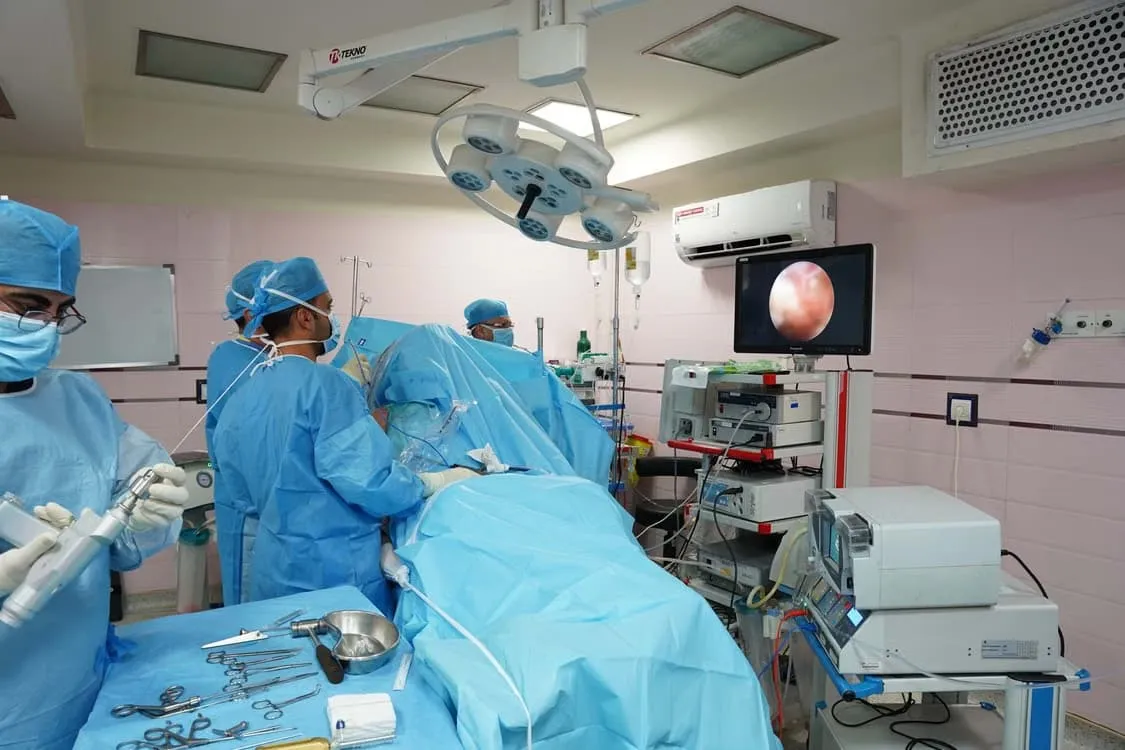

Kidney health plays an important role in maintaining overall health because the kidneys help remove waste and excess fluid from the body. Problems such as kidney stones, infections, reduced kidney function, and other urinary conditions can affect daily life when left untreated. Understanding the symptoms and getting timely medical advice can help patients identify problems early and choose suitable treatment.
When searching for the best kidney hospital in Gujarat, patients often want more than basic medical consultation. They need experienced specialists, accurate diagnosis, advanced treatment options, and proper follow-up care. A good kidney hospital should make the treatment process easier to understand, explain available options clearly, and provide coordinated support based on each patient's individual condition.
What Are the Common Signs of Kidney Problems?
Kidney problems do not always produce noticeable symptoms in the early stages. However, certain signs may indicate that medical evaluation is needed. These can include:
- Pain in the back or side
- Blood in the urine
- Changes in urine frequency or appearance
- Swelling around the feet, ankles, or face
- Persistent tiredness
- Nausea or loss of appetite
- Repeated urinary infections
- Difficulty passing urine
These symptoms can have different causes, so self-diagnosis is not recommended. A healthcare professional can assess the symptoms and recommend appropriate tests.
Why Is Early Kidney Treatment Important?
Delaying treatment can sometimes allow a kidney condition to become more complicated. For example, a small kidney stone may cause increasing pain or urinary blockage, while some kidney diseases can gradually affect kidney function without obvious symptoms.
Early evaluation helps doctors understand the underlying problem and determine whether medication, monitoring, lifestyle changes, or a procedure may be appropriate. Regular follow-up can also help patients manage long-term conditions more effectively.
How Are Kidney Stones Diagnosed?
Kidney stones are hard deposits that can develop inside the kidneys. They can vary in size and may remain unnoticed until they move into the urinary tract.
Doctors may use a patient's symptoms, medical history, urine tests, blood tests, ultrasound, CT scans, or other diagnostic methods to identify a stone. The appropriate investigation depends on the patient's symptoms and medical condition.
Once the stone is identified, the doctor can assess its size and location and determine the most suitable treatment approach.
What Treatment Options Are Available for Kidney Stones?
Treatment depends on factors such as stone size, location, symptoms, and the patient's overall health. Small stones may sometimes pass naturally with appropriate medical guidance. Other stones may require intervention.
Depending on the situation, treatment can include medicines, minimally invasive procedures, or laser stone treatment. The purpose is to remove or manage the stone while minimizing complications and supporting recovery.
Patients should avoid choosing a treatment based only on information found online. A specialist can recommend an approach after proper evaluation.
How Can You Choose the Right Kidney Hospital?
Choosing a kidney hospital can be difficult, especially when patients are dealing with pain or a newly diagnosed condition. Instead of considering only the hospital's location, look at factors such as specialist availability, diagnostic facilities, treatment options, follow-up services, and communication with patients.
A reliable hospital should explain the diagnosis and treatment plan in simple language. Patients should also feel comfortable asking questions about procedures, recovery, possible risks, and follow-up requirements.
Advanced Kidney and Urological Care
Modern kidney care can involve several specialties depending on the patient's condition. Patients may require nephrology care for kidney function problems or urological treatment for conditions involving the urinary system and kidney stones.
A coordinated healthcare approach allows specialists and support teams to work together when necessary. This can make diagnosis and treatment more organized while helping patients understand each stage of their care.
When Should You See a Kidney Specialist?
You should consider medical evaluation if you experience recurring kidney stones, persistent urinary problems, unexplained swelling, blood in the urine, abnormal kidney test results, or continuing pain around the kidney area.
People with existing health conditions that can affect kidney function may also require regular monitoring. Timely consultation can help identify potential problems before they become more difficult to manage.
Finding a Kidney Stone Doctor Near You
If you are searching for a kidney stone doctor near me, consider choosing a qualified specialist who can properly evaluate your symptoms and recommend an appropriate treatment plan. A kidney stone specialist can assess the size and location of the stone, determine whether treatment is required, and explain available options such as medication or minimally invasive procedures. Seeking professional care is especially important when pain is severe, symptoms keep returning, or there are signs of urinary blockage or infection.
Conclusion
Kidney problems can range from manageable conditions such as small kidney stones to long-term diseases requiring continuous monitoring. The right medical evaluation can help identify the cause of symptoms and determine an appropriate treatment approach. Choosing a hospital with qualified specialists, suitable diagnostic facilities, advanced treatment options, and patient-focused support can make the healthcare journey more organized. If you experience persistent kidney or urinary symptoms, consult a qualified healthcare professional rather than delaying medical attention.




















Sign in to leave a comment.